


Title: Understanding Non-Renewable Energy: An In-Depth Investigation
Introduction:
The quest for reliable and sustainable sources of energy remains a defining challenge for today’s society. As the world’s population surges and our thirst for modern conveniences grows, understanding the long-term implications of our energy choices is of paramount importance. While renewable energy sources like solar, wind, and hydroelectric power steal the limelight for their environmentally friendly attributes, a significant portion of the global energy supply continues to be derived from non-renewable sources.
This article aims to provide a comprehensive examination of non-renewable energy, shedding light on its nature, extraction processes, and associated environmental concerns. These finite energy sources, such as coal, oil, natural gas, and uranium, play an indispensable role in meeting the world’s voracious energy demands. However, their utilization poses significant challenges that require careful consideration to ensure a sustainable future.
By delving into the characteristics of non-renewable energy, we will explore its origins and how these sources differ from renewable alternatives. Researching the methods employed in their extraction and transformation, we aim to uncover the intricate workings of non-renewable energy infrastructure. Furthermore, we will investigate the environmental impact, predominantly greenhouse gas emissions and their contribution to climate change, which are indispensable facets of the non-renewable energy paradigm.
In this research-driven article, we will not only emphasize the factual aspects surrounding non-renewable energy but also delve into worldwide consumption patterns and explore potential short and long-term consequences of relying on these limited resources. By gaining a comprehensive understanding of this integral but diminishing aspect of our energy landscape, we hope to foster informed discussions about the future energy choices that will ultimately shape the trajectory of our planet.
Join us on this exploration as we delve into the intricacies of non-renewable energy, critically examining its implications, and calling for a broader understanding of sustainable energy alternatives. Through this research, we aim to contribute to an informed debate on the urgent need for transitioning to renewable energy sources and fostering a greener, cleaner future.
Table of Contents
- Types of Non-Renewable Energy Sources
- Challenges and Alternative Solutions for Non-Renewable Energy
- Q&A
- Key Takeaways
Types of Non-Renewable Energy Sources
Non-renewable energy sources are those that cannot be replenished or replaced in a short period of time. Over the years, these sources have powered our world, but their limited availability and negative environmental impact have prompted the need to explore alternative energy options. Let’s take a closer look at some of the main that have powered our civilization for decades.
-
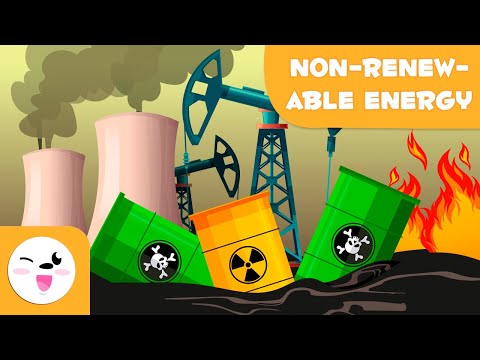
Fossil Fuels: Fossil fuels have been the backbone of global energy consumption for centuries. Coal, oil, and natural gas are the three main types of fossil fuels. They are formed from the decayed remains of ancient plants and animals, taking millions of years to be created. Despite their high energy content, fossil fuels emit large amounts of greenhouse gases, contributing to climate change.
-
Nuclear Energy: Nuclear energy isn’t derived from fossil fuels, but it is also a non-renewable energy source. It is obtained through nuclear reactions when the nucleus of an atom is split (nuclear fission) or when two atomic nuclei combine (nuclear fusion). The most common nuclear fuel is uranium-235, which undergoes fission in nuclear reactors. While nuclear energy does not produce greenhouse gas emissions, its waste products pose significant environmental and safety concerns.
Challenges and Alternative Solutions for Non-Renewable Energy
Non-renewable energy refers to energy sources that cannot be easily replenished or regenerated naturally in a short period. These energy sources, such as fossil fuels (coal, oil, and natural gas), nuclear power, and traditional biomass, have been widely used for centuries but face numerous challenges in terms of sustainability and environmental impact.
One of the major challenges associated with non-renewable energy is its finite nature. Fossil fuels, for example, are formed over millions of years from decomposed plants and animals, and once depleted, they cannot be replaced in our lifetime. This scarcity of non-renewable energy sources poses not only an economic challenge but also raises concerns about energy security and reliance on imports. As the demand for energy continues to grow, finding alternative solutions becomes imperative to meet the needs of future generations.
Moreover, non-renewable energy sources contribute significantly to environmental degradation. The burning of fossil fuels, for instance, releases greenhouse gases into the atmosphere, exacerbating climate change and air pollution. These environmental impacts have serious implications for human health, ecosystem stability, and biodiversity. As a result, promoting the development and adoption of cleaner, sustainable energy alternatives is crucial to mitigate these negative consequences.
Considering the urgency to address these challenges, it is essential to explore alternative solutions to non-renewable energy. Embracing renewable energy sources, such as solar, wind, hydroelectric, and geothermal power, is a promising pathway towards a sustainable future. These sources are abundant, widely available, and have a significantly lower environmental footprint compared to non-renewable energy options. Emphasizing the use of renewable energy not only reduces greenhouse gas emissions but also promotes energy independence, job creation, and economic growth.
In addition to transitioning to renewables, implementing energy efficiency measures is a crucial component of the solution. By optimizing energy consumption in residential, commercial, and industrial sectors, we can reduce the overall demand for energy. This can be achieved through the adoption of energy-efficient technologies, promoting sustainable practices, and raising awareness about the importance of conservation. Additionally, exploring advanced technologies, such as energy storage systems and grid improvements, can aid in overcoming the intermittent nature of renewable energy sources.
In conclusion, non-renewable energy faces inherent challenges due to its finite nature and environmental impacts. As we strive towards a sustainable future, it is imperative to actively seek alternative solutions. By transitioning to renewable energy sources and implementing energy efficiency measures, we can mitigate the adverse effects of non-renewable energy and pave the way for a cleaner, greener, and more sustainable energy landscape.
Q&A
Q: What is non-renewable energy?
A: Non-renewable energy refers to energy sources that cannot be easily replenished or are finite in nature. These energy sources are extracted from the earth and have taken millions of years to form.
Q: What are examples of non-renewable energy sources?
A: Examples of non-renewable energy sources include fossil fuels such as coal, oil, and natural gas. Additionally, nuclear energy derived from uranium is another non-renewable energy source.
Q: How are fossil fuels formed?
A: Fossil fuels are formed from the remains of plants and animals that lived millions of years ago, usually in ancient seas or swampy environments. Over time, the organic material decomposed and transformed into coal, oil, or natural gas under high pressure and heat.
Q: Why is non-renewable energy considered harmful to the environment?
A: Non-renewable energy sources contribute to environmental degradation through pollution and greenhouse gas emissions. Burning fossil fuels releases harmful substances like sulfur dioxide, nitrogen oxides, and carbon dioxide, leading to air pollution, climate change, and other negative environmental impacts.
Q: Are there any advantages to using non-renewable energy sources?
A: Non-renewable energy sources have been vital for modern industrial development and have provided a reliable and abundant source of energy over the years. Additionally, they often offer a cost-effective option for meeting energy demands in the short term.
Q: What are the consequences of depleting non-renewable energy sources?
A: The depletion of non-renewable energy sources leads to potential energy scarcity, price volatility, and economic instability. As these sources become scarcer, extracting them becomes more expensive, and their negative impact on the environment may intensify.
Q: How can we reduce our reliance on non-renewable energy sources?
A: To reduce reliance on non-renewable energy, transitioning to renewable sources such as solar, wind, hydro, and geothermal power is crucial. Promoting energy efficiency, investing in research and development of alternative technologies, and implementing policies that incentivize renewable energy generation can also contribute to reducing dependence on non-renewable energy.
Q: What is the role of governments in promoting the transition to renewable energy?
A: Governments play a vital role in encouraging the transition to renewable energy by implementing policies that support and incentivize renewable energy development and adoption. This includes establishing renewable energy targets, providing financial incentives or subsidies, and investing in research and development.
Q: Is it possible to completely replace non-renewable energy sources?
A: While a complete replacement of non-renewable energy sources may be challenging, significant progress can be made towards achieving a more sustainable energy mix. It requires a combination of efforts, including technological advancements, policy changes, and shifts in consumer behavior, to gradually shift away from non-renewable energy sources.
Key Takeaways
In conclusion, our research on non-renewable energy sources has shed light on the importance of understanding these finite resources and their implications on our planet. Non-renewable energy, encompassing fossil fuels and nuclear power, has played a significant role in meeting the world’s energy demands for centuries. However, it is crucial to acknowledge the consequences of relying heavily on these energy sources. The depletion of non-renewable energy reserves leads to environmental degradation, air pollution, and contributes to global warming, among other detrimental effects. As the demand for energy continues to increase, it becomes imperative to prioritize the development and utilization of renewable energy alternatives. Harnessing the power of solar, wind, hydro, and geothermal energy not only offers a sustainable solution but also presents opportunities for job creation and technological advancement. By gradually transitioning towards renewable sources, we can reduce our carbon footprint, preserve natural resources, and safeguard the well-being of future generations. It is our shared responsibility to promote awareness, enact sustainable policies, and invest in innovative technologies that will shape a cleaner and more sustainable energy future for all.