


Title: Unleashing the Potential of Dudgeon Wind Farm: A Comprehensive Research Analysis
Introduction:
The Dudgeon Wind Farm, located off the coast of Norfolk in the United Kingdom, represents a remarkable breakthrough in harnessing renewable energy for sustainable power generation. In this research article, we delve into a comprehensive analysis of the Dudgeon Wind Farm – investigating its design, environmental impact, economic implications, and long-term potential. With a focus on factual information and objective analysis, this article aims to present readers with a well-rounded understanding of the Dudgeon Wind Farm’s significance, both regionally and globally.
As one of the largest offshore wind farms in the UK, the Dudgeon Wind Farm stands as a testament to the country’s commitment to reducing greenhouse gas emissions and transitioning towards a greener future. As the demand for clean energy continues to grow, it is imperative to explore effective and sustainable solutions, and the Dudgeon Wind Farm serves as an exemplary case study in this regard.
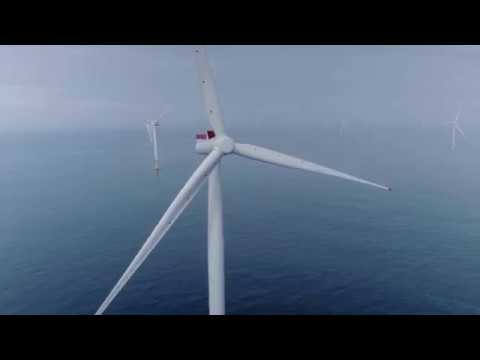
With an installed capacity of 402 MW, the wind farm comprises 67 Siemens Gamesa turbines, which rise majestically from the depths of the North Sea. By capitalizing on the abundant wind resources found in this region, the Dudgeon Wind Farm has the capacity to provide clean electricity to approximately 410,000 UK households each year, reducing carbon dioxide emissions by 893,000 metric tons annually.
While the immediate environmental benefits of the Dudgeon Wind Farm are evident, our research delves deeper into the long-term implications of this renewable energy project. By conducting extensive studies and analyzing data on marine ecosystems, bird migration patterns, and underwater noise levels, we aim to gain insights into the wind farm’s potential impact on the surrounding natural environment.
Moreover, in this research article, we shed light on the economic significance of the Dudgeon Wind Farm. From job creation during the construction phase to ongoing maintenance and operation, this offshore wind farm has not only contributed to the clean energy transition but has also had a positive effect on the local and national economies. We explore the financial viability of the project and its role in securing a more sustainable energy mix for the UK.
As this article progresses, readers can expect to uncover the intricacies and nuances associated with the Dudgeon Wind Farm. Our unbiased approach to research aims to provide a well-balanced overview, enabling readers to form their own informed opinions about the merits and potential drawbacks of offshore wind farms for sustainable energy production.
In conclusion, the Dudgeon Wind Farm represents an iconic symbol of the successful collaboration between science, technology, and sustainable development. Through this research analysis, we hope to shed light on the numerous facets of this venture, offering valuable insights into the future prospects of renewable energy while emphasizing the need for continued research, innovation, and positive environmental stewardship.
Table of Contents

- Assessment of Dudgeon Wind Farm’s Impact on Environmental Sustainability
- Recommendations for Mitigating Potential Negative Effects of Dudgeon Wind Farm on Marine Ecosystems
- Q&A
- Closing Remarks
Assessment of Dudgeon Wind Farm’s Impact on Environmental Sustainability

dudgeon wind farm

The Dudgeon Wind Farm, located off the coast of Norfolk, England, has been subject to extensive assessment regarding its impact on environmental sustainability. As one of the largest offshore wind farms in the country, it is crucial to evaluate its potential effects on various aspects of the environment. Through careful analysis and research, several key findings have emerged that shed light on the overall ecological implications of this renewable energy project.
One significant positive impact of the Dudgeon Wind Farm is the substantial reduction in greenhouse gas emissions. By harnessing the power of wind to generate electricity, the wind farm significantly contributes to the mitigation of climate change. This renewable energy source displaces the need for fossil fuel-based power plants, reducing carbon dioxide and other harmful emissions into the atmosphere. Moreover, the turbine blades rotate noiselessly, minimizing noise pollution that can adversely affect both marine and terrestrial organisms in the vicinity.
- The Dudgeon Wind Farm serves as a crucial habitat for marine life, promoting biodiversity in the area. The turbine foundations act as artificial reefs, attracting various marine species and providing them with shelter, feeding opportunities, and protection from predators. This, in turn, contributes to the overall health of the ecosystem and enhances the resilience of marine populations.
- The project has undergone careful planning and consideration to minimize any potential impact on birds and their migratory routes. Extensive monitoring and research have helped identify optimal locations for the turbines, ensuring minimal disturbance to bird populations. Additionally, avian collision risk mitigation measures, such as radar systems, have been implemented to further safeguard local bird species during their seasonal migrations.
Overall, the Dudgeon Wind Farm showcases a proactive approach to fostering environmental sustainability. While it is important to assess potential drawbacks, the benefits that this offshore wind farm brings to reducing greenhouse gas emissions, preserving marine life, and protecting birds demonstrate the significant contributions it makes toward a cleaner and more sustainable future.
Recommendations for Mitigating Potential Negative Effects of Dudgeon Wind Farm on Marine Ecosystems
The Dudgeon Wind Farm, situated off the coast of Norfolk, is a significant renewable energy project that has the potential to generate clean electricity for thousands of households. However, it is crucial to consider and address any potential negative effects that this offshore wind farm may have on the marine ecosystems in the area. Through careful planning and proactive measures, we can mitigate these potential impacts and ensure the sustainable coexistence of the wind farm and the marine environment.
<p>Here are some recommendations to mitigate the potential negative effects of the Dudgeon Wind Farm on marine ecosystems:</p>

<ul>
    <li><strong>Pre-construction environmental surveys:</strong> Conduct thorough surveys to identify ecologically sensitive areas, important habitats, and vulnerable species that may be impacted by the wind farm. This will enable targeted mitigation measures and suitable locations for wind turbines.</li>
    <li><strong>Implement effective noise reduction measures:</strong> Noise generated during construction and operation of the wind farm can be harmful to marine life, particularly marine mammals. Utilize noise-reducing technologies and work within established noise limits to minimize the disturbance to these species.</li>
    <li><strong>Establish marine protected areas (MPAs):</strong> Designate specific zones around the wind farm as MPAs to safeguard essential habitats and species. These protected areas can help mitigate the impacts of the wind farm on marine biodiversity and facilitate ecosystem recovery.</li>
    <li><strong>Monitor and adapt:</strong> Continuously monitor the wind farm's effects on the marine ecosystem and adapt mitigation strategies accordingly. This includes regular environmental assessments, tracking changes in species abundance, and addressing any unforeseen issues that may arise.</li>
</ul>

<p>By following these recommendations, we can ensure that the benefits of the Dudgeon Wind Farm are maximized while minimizing the potential negative impacts on marine ecosystems. Collaboration between wind farm operators, environmental organizations, and regulatory agencies is vital in achieving a harmonious balance between renewable energy generation and the preservation of our marine biodiversity.</p>
Q&A
Q: What is the Dudgeon Wind Farm?
A: The Dudgeon Wind Farm is an offshore wind farm located off the coast of Norfolk, England. It consists of 67 wind turbines that generate renewable electricity.
Q: When was the Dudgeon Wind Farm commissioned?
A: The Dudgeon Wind Farm was commissioned in November 2017.
Q: How much electricity does the wind farm generate?
A: The Dudgeon Wind Farm has a capacity of 402 MW (megawatts), which is capable of generating enough electricity to power approximately 410,000 homes annually.
Q: What is the purpose of the Dudgeon Wind Farm?
A: The main purpose of the Dudgeon Wind Farm is to harness wind energy and generate clean electricity. It is part of the global effort to reduce carbon emissions and promote sustainable energy sources.
Q: Who owns and operates the Dudgeon Wind Farm?
A: The Dudgeon Wind Farm is owned by Equinor (formerly Statoil), a Norwegian energy company, with a 35% share, alongside its partners Masdar (35%) and China Resources (30%). The wind farm is operated and maintained by Equinor.
Q: What are the environmental benefits of the Dudgeon Wind Farm?
A: The Dudgeon Wind Farm significantly reduces greenhouse gas emissions by generating clean, renewable energy. It helps mitigate climate change and reduces the reliance on fossil fuels, contributing to a more sustainable future. The wind farm also plays a role in protecting local biodiversity, as it is located offshore.
Q: How was the Dudgeon Wind Farm developed?
A: The development of the Dudgeon Wind Farm involved numerous stages. It began with site investigations, environmental assessments, and securing necessary permits. Later, construction and installation of the wind turbines and associated infrastructure took place. Finally, the wind farm was connected to the national grid for electricity distribution.
Q: What impact does the Dudgeon Wind Farm have on the local economy?
A: The Dudgeon Wind Farm has had a positive impact on the local economy. During its construction phase, it created job opportunities and provided contracts to various suppliers and service providers. It also contributes to the local economy through ongoing operations and maintenance activities.
Q: Are there any challenges associated with the Dudgeon Wind Farm?
A: While the Dudgeon Wind Farm is a significant step towards sustainable energy, it faces certain challenges. Some concerns include potential impact on marine life and bird populations. However, extensive environmental assessments were conducted to minimize these impacts, and ongoing monitoring is in place to ensure compliance with regulations.
Q: Is the Dudgeon Wind Farm part of a larger plan for renewable energy in the UK?
A: Yes, the Dudgeon Wind Farm is an essential part of the United Kingdom’s efforts to increase renewable energy capacity and reduce carbon emissions. It contributes to the country’s renewable energy targets and supports the transition to a low-carbon economy.
Closing Remarks
In conclusion, the Dudgeon Wind Farm stands as a seminal project in the renewable energy sector, showcasing the immense potential for sustainable power generation. Through meticulous planning, rigorous research, and collaboration between stakeholders, this offshore wind farm was successfully developed to harness the abundant wind resources of the North Sea. The data collected from this venture contribute to our understanding of the technological advancements, economic viability, and environmental benefits associated with wind energy. As the demand for clean power continues to rise, the Dudgeon Wind Farm exemplifies the positive impacts that renewable sources can have on our energy landscape, reducing carbon emissions and paving the way towards a more sustainable future. The success of this wind farm serves as an inspiration for further exploration and implementation of similar projects worldwide, driving us closer to achieving global renewable energy targets.