



Title: Unleashing the Potential of Tidal Energy: A Scientific Exploration
Introduction:
Harnessing the formidable power of the oceans has long captivated scientific minds and innovators seeking sustainable and renewable energy sources. Tidal energy, a largely untapped form of renewable energy, holds immense promise in our quest to mitigate climate change and secure a future powered by clean technology. As a research-focused article, our aim is to delve into the fascinating mechanics behind tidal energy and shed light on the mechanisms that enable this renewable energy source to efficiently generate power from the ebbs and flows of the tides.
With the pressing need to transition from fossil fuels to sustainable alternatives, tidal energy emerges as an attractive proposition due to its predictable nature and minimal environmental impact. This article will explore the scientific principles that underpin tidal energy generation, highlighting the technology involved and shedding light on the potential it holds to revolutionize our energy landscape.
Through rigorous scientific inquiry, researchers have pioneered innovative methods to capture tidal energy and convert it into electricity, providing a clean and abundant resource for coastal regions around the world. By deconstructing the intricate operation of tidal energy, this article aims to offer clear and concise insights into this renewable power source where previous misconceptions may have obscured its true potential.
While the concept of harnessing tidal currents or exploiting the gravitational force of the moon may seem complex, our intention is to present the mechanics in a factual and comprehensible manner accessible to both scientists and individuals with a budding interest in renewable energy. By shedding light on the inner workings of tidal energy installations, we can build a solid foundation of knowledge, paving the way for further innovations and advancements in this field.
This research-driven article will not only detail the various types of tidal energy conversion technologies in existence but also explore the advantages and challenges associated with their implementation. By examining real-life examples of tidal energy projects from across the globe, we seek to demonstrate the viability of this renewable energy source and inspire further exploration and investment in this promising field.
In conclusion, it is evident that tidal energy represents a compelling solution to our ever-growing energy needs while treading lightly on our fragile ecosystems. By exploring the scientific principles and technologies behind tidal energy, we can unlock its full potential and accelerate the transition towards a sustainable energy future. So, join us in this enlightening expedition as we embark on a comprehensive research journey into the fascinating world of tidal energy.
Table of Contents
- How Tidal Energy Technology Harnesses the Power of Ocean Tides
- Key Components and Innovative Designs in Tidal Energy Generation Systems
- Q&A
- Insights and Conclusions
How Tidal Energy Technology Harnesses the Power of Ocean Tides
Tidal energy is a remarkable and innovative form of renewable energy that harnesses the immense power of ocean tides. This technology utilizes the natural rise and fall of tidal waters to generate electricity, offering a reliable and sustainable alternative to traditional energy sources. By capturing the kinetic energy of the tides, tidal energy systems are able to produce clean electricity while minimizing environmental impact.
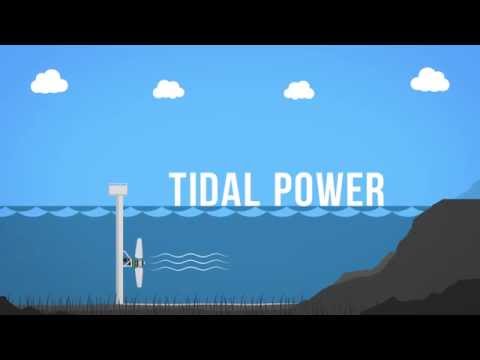
One of the most common types of tidal energy technology is known as tidal stream generators or turbines. These turbines are submerged beneath the surface of the water and are strategically positioned in areas with strong tidal currents. As the tidal waters flow past the turbines, it causes them to rotate, converting the movement into mechanical energy. This mechanical energy is then further converted into electrical energy using a generator, producing a constant and predictable power source that can be utilized to meet the energy demands of coastal communities.
Tidal energy offers several advantages over other forms of renewable energy. Here are a few key benefits:
- Renewable and predictable: Unlike solar or wind energy, tidal energy is entirely predictable as tides are influenced by lunar cycles. This makes it a reliable and consistent source of power, ensuring a steady supply of electricity.
- High energy density: Ocean tides are incredibly powerful, containing a substantial amount of energy. Tidal energy systems can harness this energy to generate a significant amount of electricity, making them highly efficient.
- Environmentally friendly: Tidal energy is a clean and sustainable form of power generation, emitting minimal greenhouse gases and pollutants. It has a minimal impact on marine life compared to other forms of energy, such as fossil fuels or nuclear power.
As research and development continue to advance, tidal energy technology holds immense potential in contributing to our global efforts to combat climate change and transition towards a clean energy future. With stable and consistent electricity generation, tidal energy is undoubtedly an essential player in the renewable energy landscape.
Key Components and Innovative Designs in Tidal Energy Generation Systems
Tidal energy is a renewable form of energy that harnesses the power of ocean tides to generate electricity. Tidal energy generation systems consist of several key components and innovative designs that work together to convert the kinetic energy of tides into usable electrical power.
One of the main components of a tidal energy system is the turbine. These turbines are specifically designed to operate in marine environments and are usually placed underwater to take advantage of the strong tidal currents. The turbines are strategically positioned in areas where the tides are the strongest, ensuring maximum energy extraction. Additionally, the turbines can be oriented in different directions to optimize power generation depending on the tidal flow.
Another important component in tidal energy systems is the generator. The generator works in conjunction with the turbine and converts the rotational motion of the turbine blades into electrical energy. These generators are often housed in watertight casings to protect them from the corrosive effects of saltwater. The generators in tidal energy systems are typically designed to be highly efficient and reliable to maximize energy conversion.
Innovative designs in tidal energy generation systems also include the use of tidal barrage structures. A tidal barrage is essentially a dam-like structure that is built across a river estuary or bay. As the tides rise and fall, water is allowed to flow through strategically placed turbines, generating electricity. These barrage structures often incorporate lock gates that allow ships and boats to pass through, mitigating the potential impact on maritime activities.
Furthermore, advancements in tidal energy systems have led to the development of underwater tidal kites. These kite-like structures are tethered to the seafloor and are propelled by the kinetic energy of tidal currents. As the tidal currents move the kites, they pull on the tethers, which in turn drive a generator to produce electricity. This innovative design offers a cost-effective and scalable solution for tidal energy generation.
In summary, tidal energy systems consist of various key components and innovative designs that work together to harness the power of ocean tides. From underwater turbines to generators and tidal barrage structures, these advancements ensure the efficient conversion of tidal energy into usable electricity. With ongoing research and development, tidal energy continues to evolve as a promising renewable energy option for the future.
Q&A
Q: How does tidal energy work?
A: Tidal energy harnesses the power of ocean tides to generate electricity. This renewable energy source relies on the gravitational pull of the moon and the sun, which causes the rising and falling of tides.
Q: What are the main components of a tidal energy system?
A: A tidal energy system typically consists of three main components: a tidal barrage, tidal stream generators, and tidal lagoons. Each component utilizes different mechanisms to capture the energy from ocean tides.
Q: How does a tidal barrage work?
A: A tidal barrage (also known as a tidal dam or a tidal power station) operates similarly to a hydroelectric dam. It involves building a dam-like structure across an estuary or bay with turbines installed. As the tide rises, water is captured behind the barrage. When the tide recedes, the water is released through turbines, generating electricity through their rotating blades.
Q: Can you explain how tidal stream generators work?
A: Tidal stream generators function by using underwater turbines, which are anchored to the seabed and placed in areas with fast-flowing tidal currents. As the tidal currents move back and forth, the turbines spin, converting the kinetic energy of the moving water into mechanical energy and ultimately into electricity.
Q: What is a tidal lagoon and how does it generate energy?
A: A tidal lagoon is an enclosed area similar to a small-scale dam, strategically constructed on the coastline. The lagoon captures seawater and uses the difference in water levels between high and low tides to generate electricity. As the tide rises, water fills the lagoon, and when the tide falls, the water is released through turbines, generating electricity.
Q: What are the advantages of tidal energy?
A: Tidal energy offers several advantages. Firstly, it is a renewable and predictable energy source as tides occur twice daily. Secondly, it produces clean electricity without emitting greenhouse gases or other pollutants. Moreover, tidal energy systems have a long lifespan and require minimal maintenance once installed.
Q: Are there any challenges associated with tidal energy?
A: Yes, there are challenges to overcome. One major challenge is the high upfront costs of building and installing tidal energy systems. Additionally, the availability of suitable sites with strong tidal currents and appropriate infrastructure can sometimes pose difficulties. Environmental impact assessments are also crucial to minimize any negative effects on marine ecosystems.
Q: What is the current state of tidal energy implementation worldwide?
A: Tidal energy is still a relatively emerging technology. There are several operational tidal energy projects worldwide, mainly concentrated in countries with strong tidal resources such as the United Kingdom, Canada, China, and South Korea. However, commercial-scale deployment and cost-effectiveness are still being explored.
Q: Is tidal energy a viable alternative to other renewable energy sources?
A: Tidal energy has significant potential as a reliable and predictable renewable energy source. However, its viability greatly depends on site-specific conditions and the availability of suitable locations. While tidal energy may not entirely replace other renewable sources, it can play a complementary role in the overall energy mix, particularly in coastal regions with strong tidal currents.
Q: How does tidal energy contribute to reducing carbon emissions?
A: Tidal energy provides a clean and sustainable source of electricity, resulting in reduced reliance on fossil fuels. By generating power without burning coal, oil, or gas, tidal energy contributes to a significant reduction in carbon emissions, helping combat climate change and promoting cleaner energy alternatives.
Insights and Conclusions
In conclusion, tidal energy is a promising renewable resource that harnesses the power of the tides to produce electricity. By effectively utilizing the ebb and flow of the ocean’s tidal cycles, tidal energy systems can provide a consistent and predictable source of clean energy. The extraction of tidal energy involves various technologies, including tidal barrages, tidal stream generators, and ocean currents. Through the innovative design of these systems, we can mitigate environmental impacts and maximize energy generation. Furthermore, tidal energy offers numerous advantages such as being a renewable resource, generating electricity without greenhouse gas emissions and being highly reliable due to the predictable nature of tides. Although there are still challenges to overcome, such as high installation and maintenance costs, advancements in technology and increasing demand for renewable energy are driving the development of tidal energy. As research and innovation in this field continue to expand, tidal energy emerges as a sustainable solution that can contribute to our transition to a low-carbon future. With its immense potential, tidal energy holds the promise of powering our planet for generations to come.