

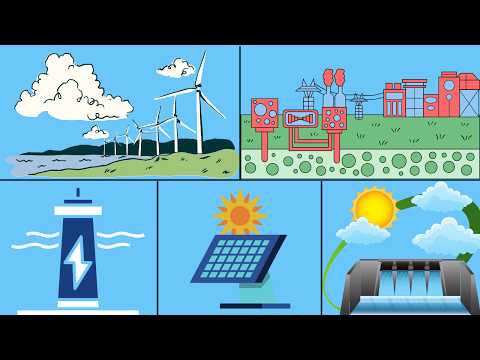



Renewable energy sources have taken center stage as an essential solution in combating climate change and paving the way towards a sustainable future. With the ever-increasing demand for energy coupled with the depletion of traditional fossil fuels, researchers globally have turned their attention towards exploring alternative options. In this research-focused article, we delve into the topic of renewable energy sources and present a comprehensive analysis of five prominent and highly promising forms in the realm of clean energy. From solar power’s ability to harness the sun’s limitless energy to geothermal energy’s utilization of Earth’s internal heat, we will explore the exciting possibilities that lie within these innovative technologies. By shedding light on their scientific foundations, efficiency, and potential environmental impact, this research-based examination aims to inform readers about the tremendous potential of these sustainable energy sources.
In this article we discuss
- Key Renewable Energy Sources for a Sustainable Future: A Comprehensive Exploration
- Implementing Renewable Energy Sources: Recommendations for Maximizing Efficiency and Environmental Benefits
- Q&A
- Wrapping Up
Key Renewable Energy Sources for a Sustainable Future: A Comprehensive Exploration
Renewable energy sources are crucial in our pursuit of a sustainable future. As we strive to reduce our reliance on fossil fuels and combat climate change, exploring alternative sources of energy becomes imperative. In this post, we will delve into five key renewable energy sources that hold tremendous promise for a greener tomorrow.
- Solar Power: Harnessing the power of the sun, solar energy has emerged as one of the most abundant and environmentally friendly energy sources. Through photovoltaic panels, sunlight is converted into electricity, offering a clean and sustainable solution for powering homes, businesses, and even entire communities. Solar power systems are highly versatile, cost-effective, and require minimal maintenance, making them an increasingly popular choice for renewable energy adoption worldwide.
- Wind Energy: Another prominent renewable energy source is wind power. By capturing the kinetic energy from wind using wind turbines, we can generate electricity on a large scale. These towering, blade-filled structures can be seen dotting the landscape in wind farms, harnessing the natural power of the wind for our energy needs. With advancements in turbine technology, wind energy has become more efficient and cost-effective, making it an integral part of the renewable energy portfolio of many countries. The ability to generate electricity in a decentralized manner, coupled with minimal greenhouse gas emissions, positions wind energy as a key player in the transition towards a sustainable future.
Utilizing these renewable energy sources not only helps reduce greenhouse gas emissions and combat climate change, but also presents economic opportunities and energy independence for individuals, communities, and nations. By embracing solar power, wind energy, and other renewable sources, we can pave the way towards a cleaner and more sustainable future for generations to come.
Implementing Renewable Energy Sources: Recommendations for Maximizing Efficiency and Environmental Benefits
Renewable energy plays a crucial role in reducing greenhouse gas emissions and mitigating the adverse effects of climate change. As the demand for clean and sustainable energy sources continues to rise, it is important to explore and implement various renewable energy options. Here are five renewable energy sources that hold tremendous potential for maximizing efficiency and environmental benefits:
- Solar Energy: Harnessing the power of the sun, solar energy has become increasingly affordable and accessible over the years. By installing solar panels, homes and businesses can generate electricity from the abundant sunlight. Solar power systems not only reduce carbon emissions but also provide significant cost savings on energy bills.
- Wind Energy: Wind energy is rapidly becoming one of the most popular and widely implemented renewable energy sources around the world. Wind turbines convert the kinetic energy of wind into electricity, making it a clean and sustainable alternative to fossil fuels. Additionally, wind farms can be established both onshore and offshore, utilizing vast open spaces and coastal areas to maximize energy production.
Q&A
Q: What are some examples of renewable energy sources?
A: There are several examples of renewable energy sources. Some of the most commonly known are solar energy, wind energy, hydropower, geothermal energy, and biomass.
Q: How does solar energy work as a renewable energy source?
A: Solar energy is produced by capturing the sun’s rays using solar panels or photovoltaic cells. These panels convert sunlight into electricity or heat, which can then be used to power homes, buildings, or even vehicles.
Q: What is wind energy and how is it harnessed?
A: Wind energy is generated by using wind turbines to convert the kinetic energy of the wind into electrical power. As the wind blows, the rotating blades of the turbine spin a generator, producing clean and sustainable electricity.
Q: Can you explain how hydropower functions as a renewable energy source?
A: Hydropower harnesses the energy of flowing or falling water. It is typically generated by building dams on rivers or bodies of water, which creates a reservoir. As the water is released, it flows through turbines, turning them to produce electricity.
Q: What is geothermal energy and how is it utilized as a renewable source?
A: Geothermal energy is derived from the heat stored within the Earth’s crust. It is accessed by drilling deep wells and using the high-temperature steam or hot water to generate electricity. Geothermal power plants are commonly built near tectonic plate boundaries or areas with hot springs.
Q: How is biomass converted into renewable energy?
A: Biomass energy is obtained from organic matter, such as wood, waste, or agricultural crops. It can be converted into heat, electricity, or fuel by burning it directly or through more advanced processes like anaerobic digestion or biochemical conversion.
Q: Why are renewable energy sources important?
A: Renewable energy sources are crucial because they provide an alternative to fossil fuels, which contribute to climate change and environmental degradation. They produce significantly lower greenhouse gas emissions, reduce pollution, and help combat the effects of climate change.
Q: Can renewable energy sources power the entire world’s energy needs?
A: While renewable energy sources have the potential to power the world’s energy needs, it would require substantial infrastructure development, advancements in energy storage, and significant policy changes. Nevertheless, the feasibility of achieving this goal is increasingly recognized, and there is continuous progress towards a greener and more sustainable energy future.
Q: Are renewable energy sources cost-effective compared to traditional energy sources?
A: Initially, renewable energy sources may require more significant investments in infrastructure and technology. However, over time, the cost of renewable energy has been decreasing, and many sources are already cost-competitive or cheaper than fossil fuels. Moreover, renewable energy creates economic opportunities and can reduce long-term dependence on fluctuating fuel prices.
Q: Can renewable energy sources provide a stable energy supply?
A: Renewable energy sources have been criticized for their intermittent nature, as they heavily rely on weather conditions. However, technological advancements, such as integrating energy storage systems and smart grids, have allowed for more stable and reliable renewable energy supply. This combination enhances the flexibility and resilience of the grid, enabling a reliable energy supply even during periods of low renewable generation.
Wrapping Up
In conclusion, the research presented in this article has highlighted five key renewable energy sources that have the potential to significantly reduce our dependence on fossil fuels and combat the detrimental effects of climate change. We have explored solar power, wind energy, hydropower, geothermal energy, and biomass, all of which offer unique advantages and continue to evolve as viable alternatives in the global energy landscape.
Solar power, harnessing the infinite energy of the sun through photovoltaic panels, has shown remarkable growth in recent years and has become increasingly affordable, making it an increasingly popular choice for individuals, communities, and businesses alike. Its clean and limitless nature positions it as one of the most promising sources of renewable energy for a sustainable future.
Similarly, wind energy has proven to be a reliable and abundant source of power. With advancements in turbine technology and efficient grid integration, wind farms have become increasingly cost-effective and provide a significant contribution to electricity generation in various regions worldwide.
Hydropower, a well-established renewable source, presents a consistent and reliable energy option. By utilizing the power of flowing water, this source generates electricity without emitting greenhouse gases. However, it must be implemented with careful consideration of its environmental impact, ensuring minimal disruption to aquatic ecosystems.
Exploring beyond the surface, geothermal energy taps into the Earth’s natural heat, harnessing it for electricity generation and heating purposes. Although its potential is often constrained to specific geographical regions, it continues to demonstrate its value as a steady and sustainable energy option where conditions allow.
Lastly, biomass energy utilizes organic materials, such as agricultural waste or dedicated energy crops, to generate heat and electricity. While it can contribute to emissions reduction and waste management, it requires responsible sourcing and should strive to balance energy production with ecosystem preservation and food security considerations.
Each of these five renewable energy sources offers distinct advantages, and their combined implementation provides a diversified and reliable approach to meeting our energy needs sustainably. As ongoing research and technological advancements continue to propel these sources forward, it is crucial to prioritize their development, promoting policies that encourage their adoption, and investing in further innovations.
As we navigate toward a cleaner, more sustainable energy future, a transition to renewable sources is imperative. Adopting these alternatives not only mitigates climate change, reduces greenhouse gas emissions, and improves air quality, but also strengthens energy security and fosters economic growth. By harnessing the immense potential of solar, wind, hydropower, geothermal energy, and biomass, we pave the way for a more sustainable and resilient planet for future generations.