

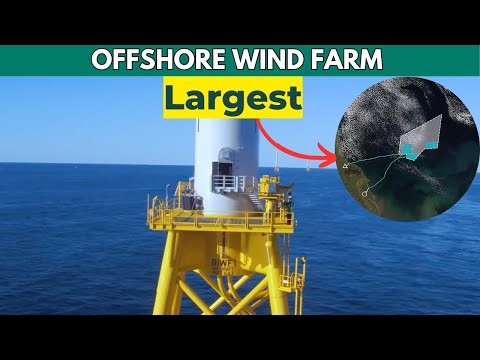
The Dogger Bank Offshore Wind Farm is a monumental project that is set to revolutionize the renewable energy industry. With its vast potential to generate clean and sustainable electricity, this offshore wind farm aims to provide a significant contribution to reducing carbon emissions and meeting the increasing demand for renewable power. As one of the largest developments of its kind in the world, the Dogger Bank Offshore Wind Farm represents a groundbreaking venture, as well as a significant step towards global climate goals. In this article, we will explore the key aspects of this impressive undertaking, delving into its history, engineering feats, and the anticipated long-term benefits it will bring to the environment and our energy landscape.
Table of Contents

- Development and Progress of Dogger Bank Offshore Wind Farm
- Challenges, Solutions, and Future Prospects for the Largest Offshore Wind Farm Project in Europe
- Q&A
- Insights and Conclusions
Development and Progress of Dogger Bank Offshore Wind Farm

The development and progress of the Dogger Bank Offshore Wind Farm continue to make significant strides in the renewable energy sector. Located in the North Sea, approximately 130 km off the coast of Yorkshire in the United Kingdom, it is set to become the world’s largest offshore wind farm upon its completion. This groundbreaking project is a joint venture between Equinor, SSE Renewables, and Eni, demonstrating their commitment to a sustainable future.
- The Dogger Bank Offshore Wind Farm consists of three separate projects, namely Dogger Bank A, Dogger Bank B, and Dogger Bank C. Each project has a capacity of 1.2 GW, resulting in a total combined capacity of 3.6 GW. This mammoth undertaking will generate enough clean, renewable electricity to power over 4.5 million homes in the UK annually.
- Construction of the wind farm commenced in 2020 and is being carried out in multiple phases. The first phase involves seabed preparation, including the installation of rock armor to protect the cables and turbines. This essential groundwork ensures the stability and longevity of the infrastructure. As of now, the project is progressing according to schedule, with turbines being installed and connected to the onshore grid.
Challenges, Solutions, and Future Prospects for the Largest Offshore Wind Farm Project in Europe

Challenges
Constructing the Dogger Bank Offshore Wind Farm, the largest offshore wind farm project in Europe, is a monumental feat that comes with its fair share of challenges. One of the main challenges is the harsh and unpredictable marine environment in which the wind farm will be located. The North Sea, where Dogger Bank is situated, is known for its strong winds, rough seas, and extreme weather conditions. Building and maintaining the wind turbines in such a challenging environment require advanced engineering techniques and robust infrastructure.
Another significant challenge is the sheer scale of the project. Dogger Bank will consist of three separate offshore wind farms with a combined capacity of 3.6 gigawatts (GW), enough to power 4.5 million homes. The construction process involves installing hundreds of wind turbines, laying extensive submarine cables, and establishing onshore infrastructure to transmit the generated electricity. Coordinating this massive undertaking across multiple companies and ensuring efficient project management requires meticulous planning and coordination.
Solutions and Future Prospects
To tackle the challenges faced by the Dogger Bank Offshore Wind Farm project, innovative solutions and technologies are being employed. Advanced turbine designs with improved resilience to harsh weather conditions are being utilized. These turbines are equipped with features such as blade pitching and yaw control systems, which help optimize performance and enhance stability during extreme winds.
Furthermore, the developers of Dogger Bank are exploring the use of floating offshore wind technology. By using floating platforms rather than fixed foundations, the wind farm can be deployed in deeper waters, expanding the potential for harnessing wind energy in regions with more favorable wind resources. This technology offers promising prospects for future offshore wind projects, enabling them to tap into previously untapped wind resources further offshore.
In addition to its role in clean energy generation, the Dogger Bank Offshore Wind Farm project has significant economic benefits. It is expected to create numerous job opportunities during the construction phase and provide long-term employment in operations and maintenance. The project will also contribute to the development of the local supply chain, stimulating regional economies and fostering expertise in offshore wind technologies.
Q&A
Q: What is the Dogger Bank Offshore Wind Farm?
A: The Dogger Bank Offshore Wind Farm is a vast renewable energy project located in the North Sea. It comprises three adjacent wind farms, Dogger Bank A, Dogger Bank B, and Dogger Bank C, with a combined capacity of up to 3.6 gigawatts (GW). Once completed, it will be the largest offshore wind farm in the world.
Q: Who is developing the Dogger Bank Offshore Wind Farm?
A: The wind farm is being developed by a consortium of three companies: Equinor (formerly Statoil), a Norwegian energy company, SSE Renewables, a British energy firm, and Eni, an Italian multinational oil and gas company. Each company has an equal stake in the project.
Q: Where exactly is the Dogger Bank Offshore Wind Farm located?
A: The wind farm is situated in the North Sea, approximately 130 kilometers off the northeastern coast of England. It covers an area of around 800 square kilometers, which is roughly equivalent to the size of the city of London.
Q: What is the purpose of the Dogger Bank Offshore Wind Farm?
A: The primary purpose of the wind farm is to generate clean and sustainable electricity by harnessing the power of wind. It aims to contribute significantly to the decarbonization of the energy sector, reducing greenhouse gas emissions and promoting a transition to a more environmentally friendly energy mix.
Q: How will the Dogger Bank Offshore Wind Farm be constructed?
A: The construction process involves several stages, starting with a detailed analysis of the seabed conditions and potential environmental impacts. It will involve the installation of large-scale turbines on monopile foundations, which are driven into the seabed. Submarine cables will then be used to transport the electricity generated to shore.
Q: When will the Dogger Bank Offshore Wind Farm be operational?
A: The wind farm is being developed in three phases. Dogger Bank A, the first phase, is expected to be operational by 2023, while Dogger Bank B and Dogger Bank C are scheduled to become fully operational by 2024 and 2025, respectively.
Q: What are the benefits of the Dogger Bank Offshore Wind Farm?
A: The wind farm will provide numerous benefits, including a significant reduction in carbon emissions by meeting the electricity demands of millions of homes with clean energy. It will also contribute to job creation, boost the local economy, and enhance the UK’s position as a global leader in renewable energy.
Q: How will the Dogger Bank Offshore Wind Farm impact marine life?
A: Extensive environmental impact assessments have been carried out to minimize the potential effects on marine life. Detailed studies of the surrounding environment, including migratory routes, have guided the project’s design. The turbines are designed to minimize noise and vibration, reducing potential disruptions to marine mammals and fish populations. Ongoing monitoring and research will ensure any impacts are closely managed and mitigated.
Q: Will the Dogger Bank Offshore Wind Farm have any visual impact on the coastline?
A: The wind farm will be located quite far offshore, significantly reducing any visual impact on the coastline. Moreover, the wind turbines will be built to a height specifically designed to ensure they are not visible from the shore, ensuring minimal visual disruption.
Q: How will the electricity generated by the wind farm be distributed?
A: The electricity generated by the wind farm will be transmitted to the shore using subsea cables. These cables will be connected to the mainland’s electricity grid, ensuring the power can be distributed to homes and businesses across the UK, supporting a renewable energy future.
Insights and Conclusions
In conclusion, the Dogger Bank Offshore Wind Farm stands as a remarkable feat of engineering and innovation in the renewable energy sector. With its extensive scale and groundbreaking technologies, this monumental project is set to play a critical role in driving the United Kingdom towards a more sustainable future. By harnessing the power of wind, the Dogger Bank Offshore Wind Farm will not only generate a substantial amount of clean electricity but also significantly contribute to reducing greenhouse gas emissions and combating climate change.
The comprehensive research and meticulous planning involved in this initiative speak volumes about the commitment of the government, industry stakeholders, and environmental organizations towards transitioning to a greener energy landscape. The realization of the Dogger Bank Offshore Wind Farm showcases the relentless pursuit of renewable energy solutions to meet the growing demand for electricity while simultaneously safeguarding our planet’s ecosystems.
In terms of the project’s impact, the Dogger Bank Offshore Wind Farm is poised to generate an impressive amount of electricity, providing power to millions of households across the United Kingdom. Its strategic location in the North Sea and the advanced turbine technologies employed ensure maximum energy production and efficiency. This substantial output will not only contribute to the local economy by creating jobs but also reduce the country’s dependence on fossil fuel-based power generation.
Furthermore, the Dogger Bank Offshore Wind Farm is more than just an energy source; it symbolizes a transformative shift towards a more sustainable and environmentally conscious society. By engaging in extensive research and partnering with experts in the field, this project presents a blueprint for other countries seeking to harness the potential of offshore wind energy.
As we look towards the future, the success of the Dogger Bank Offshore Wind Farm serves as both an inspiration and a challenge. It highlights the remarkable possibilities that can be achieved when governments, industries, and communities come together to tackle the world’s pressing environmental issues. Its groundbreaking research, coupled with its profound impact, solidifies the Dogger Bank Offshore Wind Farm’s position at the forefront of renewable energy initiatives worldwide.
Ultimately, the completion of the Dogger Bank Offshore Wind Farm marks a significant milestone in the journey towards a more sustainable and clean energy future. By unleashing the power of nature and embracing innovative technologies, we pave the way for a greener and brighter tomorrow. As this project serves as a testament, our collective efforts can shape an environmentally responsible world, driven by research, facts, and a unwavering dedication to preserving our planet for generations to come.