

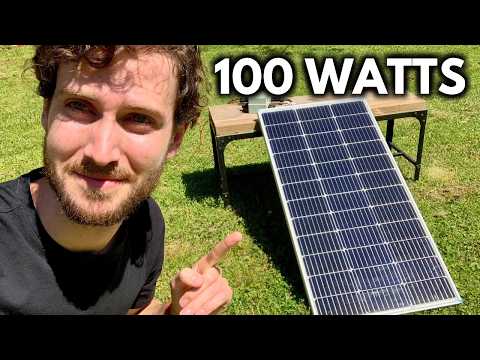



In recent years, the growing emphasis on renewable energy sources has propelled solar panels into the limelight as a viable solution for both residential and commercial electricity needs. As sustainability becomes a global priority, it becomes critical to understand the efficiency and actual power generation capabilities of solar panel systems. This article delves into the depths of this topic, aiming to shed light on the factors that influence the power output of solar panels. Through meticulous research and analysis, we will explore the variables that impact the production of solar energy, providing a factual and objective overview of how much power solar panels truly have the potential to generate.
Table of Contents
- Solar Panel Efficiencies and Output Capacities
- Factors Affecting Solar Panel Performance and Recommendations
- Q&A
- Concluding Remarks
Solar Panel Efficiencies and Output Capacities
Solar panels have become an increasingly popular source of renewable energy, but many people still wonder just how much power these innovative devices can really produce. The efficiency and output capacities of solar panels vary depending on a range of factors, from the type of solar panel used to the geographical location and the amount of sunlight received. It is important to familiarize yourself with these considerations to gain a better understanding of the power potential of solar panels.
First and foremost, the efficiency of a solar panel refers to its ability to convert sunlight into usable electricity. Most solar panels available today have an average efficiency ranging from 15% to 20%. This means that only a portion of the sunlight that hits the panels can be converted into electricity. However, recent advancements in solar panel technology have led to the development of highly efficient panels with efficiencies exceeding 20%. These advancements are paving the way for even more effective solar energy systems in the near future.
Apart from efficiency, the output capacity of solar panels is another crucial aspect to consider. This refers to the maximum amount of power that a solar panel can produce under ideal conditions. The average output capacity of a standard-sized solar panel is typically around 250 to 350 watts. However, it is important to note that factors like shading, dust, and temperature can affect the output capacity of solar panels, potentially reducing their power output. Additionally, the geographical location also plays a significant role in determining the output capacity, as areas with more sunlight will yield higher energy production. Therefore, it is vital to choose the appropriate solar panel and ensure optimal conditions to maximize the power generation potential of these eco-friendly devices.
Factors Affecting Solar Panel Performance and Recommendations
Solar panels are a popular and eco-friendly alternative energy source that harnesses the power of the sun to generate electricity. However, their performance can be influenced by various factors. One key factor is the amount of sunlight available. Quality solar panels have higher efficiency levels, meaning they can produce more power even in low-light conditions. Additionally, the angle and orientation of the solar panels can greatly impact their performance. Ideally, they should be tilted towards the sun and positioned facing the south to maximize sunlight absorption.
Another factor that affects the performance of solar panels is temperature. High temperatures can cause a decrease in efficiency, reducing the amount of power produced. It is recommended to install solar panels in a well-ventilated area or opt for solar panel systems with built-in cooling mechanisms to mitigate this issue. Additionally, the quality of the solar panels and their maintenance play a crucial role in maximizing power production. Regular cleaning, inspection, and the use of high-quality materials can significantly enhance performance and prolong the lifespan of solar panels.
In summary, solar panel performance is influenced by factors such as sunlight availability, angle and orientation, temperature, and maintenance. By considering these factors and implementing best practices, it is possible to optimize the power output of solar panels and capitalize on the benefits of solar energy.
Q&A
Q: How much power do solar panels produce?
A: The power output of solar panels depends on various factors, such as sunlight intensity, panel efficiency, temperature, and shading. Typically, a standard solar panel with an area of about 1 square meter can produce around 250 to 400 watts of power under optimal conditions.
Q: What affects the power output of solar panels?
A: The power output of solar panels can be affected by a range of factors. The intensity of sunlight is crucial, as panels generate more power under direct sunlight. Additionally, dust, dirt, or debris accumulating on the panels can reduce their efficiency. Shading, even from a small object like a tree or chimney, can significantly decrease the amount of power panels produce. Temperature also plays a role, as excessive heat can reduce the overall efficiency of solar panels.
Q: How can I calculate the power generation of solar panels?
A: To calculate the power generation of solar panels, you need to know the panel’s wattage and the number of hours it is exposed to sunlight. Multiply the wattage by the number of hours to determine the watt-hours (Wh) generated in a day. Keep in mind that this is an estimate, and the output can vary due to the factors mentioned earlier.
Q: Can solar panels produce more power than they are rated for?
A: Solar panels have a rated power output specified by the manufacturer, based on standardized testing conditions. While they can occasionally exceed their rated power output, it is uncommon and mainly depends on optimal environmental conditions. It’s advisable to refer to the manufacturer’s specifications and performance warranties for accurate information on power generation.
Q: How can I maximize the power output of my solar panels?
A: To maximize power output, ensure your solar panels are installed in an unshaded area where they receive direct sunlight throughout the day. Regularly clean the panels to remove any dirt or debris that may hinder efficiency. Proper maintenance and avoiding panel overheating by ensuring adequate ventilation can also enhance power production. It’s always beneficial to consult a professional solar installer to optimize the performance of your system.
Q: What can be done with excess power generated by solar panels?
A: Excess power generated by solar panels can be stored in batteries for later use when the sun is not shining or during power outages. This stored energy can be utilized during the night time or when electricity demand surpasses the solar panel output. If you don’t have battery storage, excess power can be fed back into the electric grid, often earning you credits or compensation through a process called net metering, depending on your location and local regulations.
Q: Do all solar panels produce the same amount of power?
A: No, solar panels can vary in terms of their power output based on factors such as brand, quality, technology, and efficiency. Different types of solar panels, such as monocrystalline, polycrystalline, or thin-film, have varying efficiencies and power production capabilities. It’s essential to consider these factors when selecting solar panels for your specific energy needs and budget.
Concluding Remarks
In conclusion, understanding the power output of solar panels is crucial for assessing their effectiveness and determining their potential applications. Through extensive research and analysis, it becomes evident that solar panels possess a remarkable capacity to generate and convert solar energy into usable electricity. The power output of solar panels varies depending on multiple factors, including their size, efficiency, geographic location, orientation, and weather conditions. Consequently, it is challenging to provide a precise numerical answer to the question “how much power do solar panels produce?” Nonetheless, advancements in solar technology continue to enhance the efficiency and output of solar panels, rendering them an increasingly viable and sustainable energy source. As we navigate the complexities of transitioning to a greener future, harnessing the power of solar energy remains a key component in mitigating climate change and meeting our energy needs while safeguarding the planet for future generations. By recognizing and capitalizing on the potential of solar panels, we take important strides towards a more sustainable and environmentally conscious world.