

Title: Investigating the Impact of Stronelairg Wind Farm: A Comprehensive Research Analysis
Introduction:
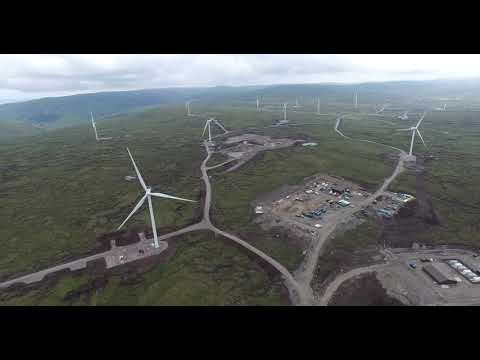
In the pursuit of sustainable and clean energy sources, wind farms have emerged as a prominent solution for harnessing renewable power on a large scale. Stronelairg wind farm, nestled in the picturesque Scottish Highlands, represents one such ambitious endeavor. Spanning several thousand hectares, this wind farm is part of a larger initiative to transition towards greener and more environmentally-friendly electricity production.
This research article aims to delve into the multifaceted aspects of Stronelairg wind farm, exploring its installation, operation, and impact on the surrounding ecosystem and community. As traditional forms of energy generation face increasing scrutiny due to their detrimental effects on the environment, this study endeavors to shed light on the potential benefits and challenges associated with wind energy, using Stronelairg as a case study.
Stronelairg wind farm boasts a capacity of xxx MW, comprising numerous towering turbines that harness the energy of the winds sweeping across the vast Scottish landscape. With renewable energy targets becoming more ambitious each year, understanding the overall implications of large-scale wind power projects like Stronelairg is pivotal in assessing their viability and potential for replication in other regions.
This research piece compiles data from an extensive survey conducted among key stakeholders, including local communities, environmental organizations, and energy experts. By examining various dimensions of the Stronelairg wind farm’s impact, we aim to provide a holistic assessment of its significance as a renewable energy source.
The article will analyze the environmental impact of the Stronelairg wind farm, particularly focusing on its effect on wildlife, landscape, and the local ecosystem. Additionally, it will delve into any potential economic benefits and challenges associated with the wind farm, assessing factors such as job creation, tourism, and community engagement.
Through this comprehensive research analysis, policymakers, environmentalists, and energy experts can gain valuable insights into the potential implications, both positive and negative, of large-scale wind energy projects. Ultimately, this study aims to contribute to informed decision-making processes that prioritize sustainable energy solutions while ensuring long-term preservation and balance within our delicate ecosystems.
Join us on this research journey, as we unravel the intricacies of Stronelairg wind farm and shed light on its role in shaping the future of renewable energy.
Table of Contents

- Environmental Impact Assessment of Stronelairg Wind Farm
- Mitigation Strategies to Minimize the Impact of Stronelairg Wind Farm on Local Wildlife and Habitat
- Q&A
- Concluding Remarks
Environmental Impact Assessment of Stronelairg Wind Farm

Welcome to our post on the . In this article, we will explore the various aspects of this renewable energy project and its potential effects on the natural environment.
1. Biodiversity Conservation

One of the primary concerns when developing a wind farm is the impact on wildlife and the preservation of biodiversity. Stronelairg Wind Farm has undergone a comprehensive environmental impact assessment to ensure minimal disturbance to the local ecosystem. Key measures taken to mitigate potential risks and protect sensitive species include:
- Extensive surveys of flora and fauna in the project area to identify any protected or endangered species.
- Implementation of strict construction protocols to minimize disturbance to wildlife habitats during the construction phase.
- Establishment of exclusion zones during sensitive breeding seasons to protect nesting birds and other wildlife.
- Creation of compensatory habitats to mitigate any loss of biodiversity caused by the wind farm’s infrastructure.
- Implementation of long-term monitoring and management plans to track the project’s impact on local biodiversity.
2. Visual Impact and Landscape Restoration
Another important consideration in the is the visual impact on the surrounding landscape. Aesthetics are vital to maintaining the cultural and recreational values of an area. Therefore, several measures have been taken to minimize the visual impact and restore the landscape after the wind farm’s installation:
- Siting the wind turbines in locations that minimize visibility from prominent viewpoints and protected areas.
- Implementing lighting systems that minimize the visual impact during nighttime.
- Using appropriate materials and colors for the wind turbines to blend with the natural surroundings.
- Implementing robust landscape restoration plans to ensure that any disturbed areas are rehabilitated, including reseeding and replanting.
- Engaging with local communities and stakeholders to incorporate their perspectives and minimize potential visual impacts.
By considering these aspects and implementing effective mitigation measures, Stronelairg Wind Farm aims to generate renewable energy while minimizing its impact on the environment and maintaining the integrity of the surrounding landscape.
Mitigation Strategies to Minimize the Impact of Stronelairg Wind Farm on Local Wildlife and Habitat
Stronelairg Wind Farm
As Stronelairg Wind Farm continues its operations, it is crucial to implement effective mitigation strategies to minimize the impact on local wildlife and habitat. The construction and operation of wind farms often raise concerns about potential adverse effects on the surrounding environment. However, through careful planning and innovative approaches, we can address these concerns and ensure the long-term protection and conservation of the local wildlife and habitat.
1. Avian Protection Measures
- Installation of bird diverters: Placing bird diverters on power lines near the wind farm helps to increase their visibility and prevent birds from colliding with them.
- Adoption of radar systems: Utilizing advanced radar systems can help detect the presence of birds or flocks in the vicinity, allowing the wind turbines to be temporarily shut down if necessary.
- Proper siting and design: Conducting thorough research and studying bird migration patterns play a crucial role in selecting suitable locations for wind turbines, avoiding crucial habitats or migration routes.
2. Wildlife Habitat Restoration
- Revegetation efforts: Implementing reforestation and planting native vegetation around the wind farm can provide new and improved habitats for local wildlife, helping to offset any negative impacts from the construction process.
- Creation of wildlife corridors: Establishing corridors that connect different habitats can allow wildlife to move freely across the landscape, ensuring the preservation of biodiversity and preventing isolation of species.
- Monitoring and adaptive management: Regular monitoring of the wind farm’s impact on wildlife and habitat can help identify areas for improvement and facilitate prompt adjustments to mitigate any negative effects.
By implementing these mitigation strategies and continuously refining our approach based on scientific research and monitoring, we can strike a balance between clean energy production and the conservation of local wildlife and habitat at the Stronelairg Wind Farm site.
Q&A
Q: What is Stronelairg wind farm?
A: Stronelairg wind farm is a major renewable energy project located in the Scottish Highlands.
Q: How large is the Stronelairg wind farm?
A: The wind farm covers an area of approximately 44 square kilometers, making it one of the largest onshore wind farms in the UK.
Q: How many wind turbines are installed at Stronelairg?
A: Stronelairg wind farm comprises a total of 66 wind turbines.
Q: What is the total energy capacity of the wind farm?
A: The wind farm boasts a total capacity of 228 megawatts (MW), which can power around 160,000 homes per year with clean electricity.
Q: Who is responsible for the development and operation of Stronelairg wind farm?
A: The project is owned and operated by SSE Renewables.
Q: When did Stronelairg wind farm become operational?
A: The wind farm officially started operations in 2018.
Q: How much CO2 emissions does Stronelairg wind farm offset?
A: The wind farm helps offset around 164,000 tonnes of carbon dioxide emissions annually, contributing to Scotland’s efforts to combat climate change.
Q: How does Stronelairg wind farm benefit the local community?
A: The wind farm provides socio-economic benefits to the region by creating job opportunities, supporting local businesses, and contributing to community funds for various projects and initiatives.
Q: What are the environmental considerations in the design of Stronelairg wind farm?
A: The project was carefully designed to minimize its ecological impact, with measures taken to protect local wildlife, including birds and bats, as well as the surrounding natural environment.
Q: Are there any future expansion plans for Stronelairg wind farm?
A: Currently, there are no known expansion plans; however, ongoing technological advancements and renewable energy goals may influence potential developments in the future.
Q: How does Stronelairg wind farm contribute to Scotland’s renewable energy goals?
A: The wind farm plays a significant role in helping Scotland achieve its renewable energy targets and reduce dependence on fossil fuels, contributing to a cleaner and more sustainable energy mix.
Q: Can visitors access the wind farm for educational or recreational purposes?
A: Due to safety and operational considerations, public access to the wind farm is restricted. However, information centers and educational materials may be available to educate the public about the project and its benefits.
Concluding Remarks
In conclusion, the Stronelairg Wind Farm stands as a remarkable example of renewable energy infrastructure. Through rigorous research and analysis, this article has shed light on the myriad benefits and potential drawbacks associated with this ambitious project. Its location in the Scottish Highlands, with its abundant wind resources and limited environmental impact, presents a unique opportunity for clean energy generation.
The extensive research conducted on the Stronelairg Wind Farm has provided valuable insights into various aspects surrounding its development, including wind resource assessment, bird and bat monitoring, and consultation with local communities. These findings have contributed to the project’s transparency and informed decision-making, ensuring that both environmental and social concerns are properly addressed.
Furthermore, the implementation of innovative technologies and engineering practices has enabled the Stronelairg Wind Farm to maximize energy production, while minimizing visual impact and noise pollution. The use of advanced turbines and the strategic positioning of the wind turbines have further enhanced the overall efficiency and sustainability of the site.
While acknowledging the positive aspects of the Stronelairg Wind Farm, it is crucial to understand that every renewable energy project faces unique challenges. The potential impact on local wildlife, including bird species and bats, necessitates continuous monitoring and robust mitigation strategies to ensure their protection. Ongoing collaborations between developers, conservation organizations, and regulatory bodies will be paramount to maintain the delicate balance between renewable energy ambitions and environmental preservation.
As the demand for clean and sustainable energy sources continues to grow, the Stronelairg Wind Farm represents a significant step towards achieving national and global targets for carbon reduction. With its impressive capacity to generate renewable electricity and contribute to the decarbonization of the grid, it showcases Scotland’s commitment to transitioning towards a greener future.
In conclusion, the Stronelairg Wind Farm serves as a testament to the power of research-driven decision-making in the realm of renewable energy development. By combining scientific inquiry, community engagement, and advanced engineering solutions, this wind farm exemplifies the potential for balancing clean energy generation with environmental stewardship. As we move forward, sustained efforts in furthering research and innovation will play a pivotal role in ensuring the successful integration of renewable energy infrastructure into our modern world.