



Title: Exploring the Fundamentals of Renewable Energy: A Comprehensive Research Perspective
Introduction:
In the constantly evolving landscape of energy production, the quest for sustainable and environmentally friendly alternatives has become paramount. Renewable energy, often hailed as the solution to our planet’s energy challenges, has captured the attention of scientists, policy-makers, and the general public alike. This article takes a research-focused approach to uncovering the true essence of renewable energy - its definition, principles, and the potential it holds in revolutionizing our energy systems.
In order to grasp the significance of renewable energy, it is essential to comprehend its fundamental characteristics and distinguish it from conventional sources. Unlike fossil fuels, which deplete natural resources and release harmful emissions when burned, renewable energy is derived from sources that are continually replenished by natural processes. This research aims to provide a detailed overview of the various forms of renewable energy, exploring their features, applications, and current status within the global energy market.
By delving into the mechanics of renewable energy sources, we can appreciate the remarkable diversity and capabilities at our disposal. From solar and wind power to hydroelectricity, geothermal energy, and biomass, this research will shed light on the unique attributes of each source, elucidating how they harness and convert natural resources into usable electrical energy. A rigorous examination of the scientific principles behind these methods serves to establish the feasibility and efficiency of renewable energy systems in meeting growing energy demands while mitigating climate change concerns.
Moreover, this research endeavors to highlight the tremendous potential of renewable energy in the broader context of sustainable development. As we confront the urgent need to transition from fossil fuel dependence, renewable energy emerges as an environmentally responsible alternative that reduces greenhouse gas emissions, minimizes air and water pollution, and fosters energy independence. By analyzing current trends, market dynamics, and technological advancements, this article seeks to elucidate the profound implications and transformative impact of renewable energy on our society, economy, and environment.
In a world poised on the brink of an energy paradigm shift, understanding the intricacies of renewable energy is imperative for informed decision-making, strategic planning, and investment in sustainable solutions. Through this comprehensive research article, we invite readers to embark on an enlightening journey to explore the multifaceted world of renewable energy, empowering you to contribute meaningfully to the transition towards a greener and more sustainable future.
Table of Contents
- Overview of Renewable Energy Sources: Exploring Clean and Sustainable Alternatives
- Benefits and Importance of Adopting Renewable Energy for a Sustainable Future
- Q&A
- In Retrospect
Overview of Renewable Energy Sources: Exploring Clean and Sustainable Alternatives
Renewable energy sources are innovative and eco-friendly alternatives that are becoming increasingly popular as the world strives to combat climate change and reduce reliance on fossil fuels. This overview delves into the fascinating world of clean and sustainable alternatives, exploring the various types of renewable energy sources and their significance in our transition to a greener future.
One of the most prominent and widely recognized renewable energy sources is solar power. Harnessing the power of the sun, solar energy systems use photovoltaic cells to convert sunlight into electricity. This clean and abundant source of energy not only reduces greenhouse gas emissions but also offers long-term cost savings. By installing solar panels on rooftops or in solar farms, individuals and communities can generate their own electricity and even contribute excess power back to the grid. Additionally, solar energy can be used to heat water or provide lighting in outdoor spaces, making it versatile and easily accessible for a range of purposes.
Benefits and Importance of Adopting Renewable Energy for a Sustainable Future
Renewable energy, also known as clean energy, is derived from natural sources that are constantly replenished. Unlike non-renewable energy sources such as fossil fuels, renewable energy does not deplete or contribute to greenhouse gas emissions. This makes renewable energy crucial in mitigating climate change and ensuring a sustainable future for our planet.
One of the key benefits of adopting renewable energy is its minimal impact on the environment. Unlike traditional energy sources, renewable energy technologies generate electricity or heat without releasing harmful pollutants or greenhouse gas emissions. This not only reduces air and water pollution, but also helps combat climate change by reducing our carbon footprint. Moreover, renewable energy systems are often designed to minimize the use of natural resources and support the preservation of biodiversity.
In addition to its environmental benefits, renewable energy also promises long-term economic advantages. By harnessing natural resources such as sunlight, wind, and water, countries can reduce their dependence on finite fossil fuels, which are subject to price instability. Renewable energy investments also have the potential to create new job opportunities and stimulate economic growth. Not only do renewable energy technologies require skilled workers for manufacturing, installation, and maintenance, but they also encourage research and development, leading to innovation and technological advancements. Furthermore, adopting renewable energy can enhance energy security by diversifying energy sources and reducing dependence on fossil fuel imports.
To truly achieve a sustainable future, embracing renewable energy is essential. Its numerous benefits, ranging from environmental preservation to economic growth, make it a compelling choice. As the world becomes more conscious of the pressing need to transition towards clean energy, it is crucial to take advantage of these advancements and embrace renewable energy as a viable and necessary solution.
Q&A
Q: What is renewable energy?
A: Renewable energy refers to energy sources that are naturally replenished and can be used repeatedly without depletion. These energy sources can be obtained from the sun, wind, water, biomass, and geothermal heat.
Q: Why is renewable energy important?
A: Renewable energy is crucial for several reasons. It helps reduce greenhouse gas emissions and combat climate change. Unlike fossil fuels, which release harmful pollutants when burned, renewable energy sources have minimal environmental impact. Additionally, renewable energy decreases our reliance on finite resources, promoting energy independence and economic stability.
Q: How is solar energy harnessed as a renewable energy source?
A: Solar energy is obtained by capturing sunlight using photovoltaic (PV) panels or solar thermal systems. PV panels convert sunlight directly into electricity through the photovoltaic effect, while solar thermal systems use mirrors or lenses to reflect and concentrate sunlight, generating heat used to produce electricity or heat water.
Q: What are the different types of wind energy technologies?
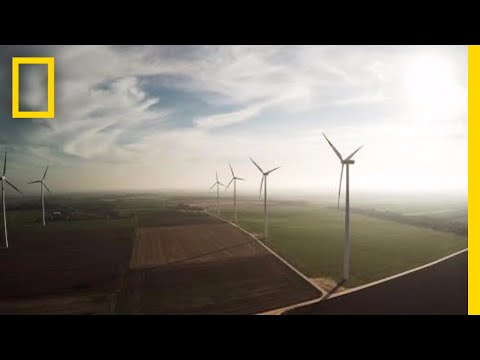
A: Wind energy can be harnessed through various technologies. The most common method is using wind turbines, which convert the kinetic energy of the wind into mechanical energy and then electricity. Offshore wind farms, where turbines are installed in bodies of water, as well as small-scale wind systems for individual homes or buildings, are other examples.
Q: How is hydropower generated using water as a renewable energy source?
A: Hydropower utilizes the energy from flowing or falling water to generate electricity. Large-scale hydropower systems typically involve constructing dams across rivers, creating reservoirs that store water. When released, the water flows through turbines, turning them and producing electricity. Small-scale hydropower systems, such as run-of-the-river, divert a portion of a river’s flow to generate electricity without needing a dam.
Q: What is biomass and how is it used for renewable energy?
A: Biomass refers to organic matter, such as wood, agricultural residues, dedicated energy crops, and municipal solid waste, that can be used as a source of renewable energy. Biomass can be burned directly to produce heat or converted into biogas, biofuels, or synthetic fuels. These products can be used for electricity generation, heating, and transportation, thereby reducing the reliance on fossil fuels.
Q: How is geothermal heat harnessed as a renewable energy source?
A: Geothermal energy is obtained by tapping into the heat generated within the Earth’s core. This heat can be used to produce electricity or provide direct heating. Geothermal power plants utilize steam or hot water reservoirs underground to drive turbines and generate electricity. Geothermal heat pumps, on the other hand, use the relatively stable temperature below the Earth’s surface to heat and cool buildings.
Q: Are there any drawbacks or limitations to renewable energy?
A: While renewable energy has numerous benefits, there are some limitations to consider. The availability and reliability of some renewable energy sources, like solar and wind, depend on weather conditions, making them intermittent. Energy storage technologies need further development to overcome this challenge. Additionally, some renewable technologies may require significant initial investments, although their costs have been decreasing in recent years.
Q: How does the adoption of renewable energy help combat climate change?
A: The adoption of renewable energy helps mitigate climate change by reducing greenhouse gas emissions. Fossil fuel combustion releases carbon dioxide and other pollutants that contribute to global warming. By transitioning to renewable energy sources, we can significantly decrease these emissions, leading to a cleaner and more sustainable environment for present and future generations.
In Retrospect
In conclusion, renewable energy refers to a diverse range of sustainable sources that can be harnessed indefinitely, without depleting their resources or causing significant harm to the environment. This type of energy has become increasingly vital in combating climate change and meeting the ever-growing global energy demand. With its diverse forms including solar, wind, hydroelectric, geothermal, and biomass, renewable energy offers a viable and efficient alternative to traditional fossil fuel-based energy generation. The benefits of renewable energy are numerous, ranging from reduced greenhouse gas emissions, job creation, enhanced energy security, to improved public health. However, despite its remarkable potential, several challenges such as intermittency and high initial costs persist, requiring further research, innovation, and collaboration among governments, industries, and individuals to fully exploit its advantages. As we strive to create a more sustainable and greener future, the adoption of renewable energy technologies, coupled with supportive policies and investments, will undoubtedly play a pivotal role in reshaping our energy landscape and ensuring a cleaner and brighter tomorrow for generations to come.