




Title: The Advantages of Solar Energy: An In-Depth Exploration
Introduction:
In an era marked by escalating concerns over climate change and diminishing fossil fuel reserves, the pursuit of sustainable and renewable energy sources has become a top priority for governments, organizations, and individuals alike. Among the numerous alternatives, solar energy has emerged as a powerful contender, offering unprecedented advantages and potential solutions to the world’s energy challenges. In this research article, we delve into the various advantages of solar energy, highlighting its ability to harness the sun’s radiant power, its sustainability, economic benefits, and positive environmental impact. By meticulously examining the extensive research conducted in this realm, we aim to uncover the untapped potential of solar energy and shed light on its role in shaping a more sustainable future for generations to come.
Table of Contents
- Advantages of Solar Energy:
- 1. Environmental Benefits of Solar Energy: A Comprehensive Analysis
- 2. Practical Recommendations for Harnessing the Advantages of Solar Energy
- Q&A
- Insights and Conclusions
Advantages of Solar Energy:
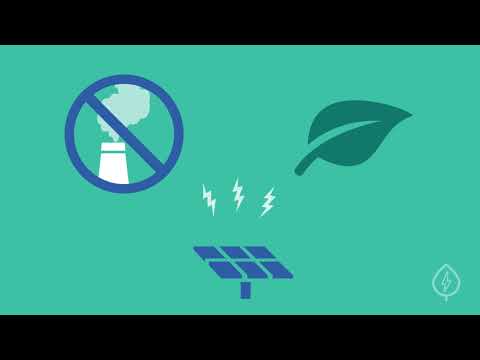
Solar energy is a fast-growing and renewable source of power that offers numerous advantages. One of the key advantages of solar energy is its environmental friendliness. Unlike traditional energy sources such as coal or natural gas, solar energy produces minimal greenhouse gas emissions, making it a clean and sustainable option. By harnessing the power of the sun, we can significantly reduce our carbon footprint and combat climate change.
Another advantage of solar energy is its ability to save money on electricity bills. Installing solar panels allows individuals and businesses to generate their own electricity, reducing or even eliminating the need to rely on the grid. This translates into substantial savings over time, as solar energy is essentially free once the initial setup costs are covered. Additionally, some governments offer incentives and tax credits for solar installations, further reducing the financial burden and increasing the return on investment.
Harnessing the power of the sun has countless benefits, ranging from environmental to financial. Solar energy not only helps protect the planet by reducing greenhouse gas emissions, but it also provides consumers with long-term savings. Moreover, solar panels require minimal maintenance and have a lifespan of 25 years or more, ensuring a reliable and durable source of electricity for a considerable period of time. By embracing solar energy, we can pave the way for a brighter and more sustainable future.
1. Environmental Benefits of Solar Energy: A Comprehensive Analysis
Solar energy is rapidly gaining popularity as a clean and renewable source of power. It offers a wide range of benefits that extend beyond its environmental advantages. Let’s delve into some of the key advantages of solar energy:
-
Cost savings: Installing solar panels may require an initial investment, but in the long run, it can significantly reduce your electricity bills. By generating your own electricity, you become less reliant on traditional energy sources, saving money in the process. Solar energy systems also require minimal maintenance, which helps to reduce overall costs.
-
Renewable and sustainable: Unlike fossil fuels that are finite in supply, solar energy is renewable and abundant. The sun, as the source of solar power, is expected to shine for billions of years. By harnessing its vast energy potential, we can reduce our dependence on fossil fuels and contribute to a more sustainable future. Solar energy also produces no greenhouse gas emissions during its operation, making it a cleaner and greener alternative.
Additionally, solar installations can be easily scaled up or down based on individual needs. Whether you install a small system on your rooftop or set up a large solar farm, you have the flexibility to tailor your energy production to match your requirements. Embracing solar energy not only helps combat climate change but also supports global efforts to achieve a cleaner and more resilient energy system.
2. Practical Recommendations for Harnessing the Advantages of Solar Energy
Harnessing the advantages of solar energy can bring numerous benefits to both the environment and individuals. By utilizing solar power, we can significantly reduce our dependence on fossil fuels and contribute to a cleaner and more sustainable future. To fully tap into the potential of this renewable energy source, it is important to follow practical recommendations that optimize its utilization.
-
Invest in solar panels: Installing solar panels on rooftops or open spaces is a great first step in harnessing solar energy. These panels convert sunlight into electricity, providing a reliable and cost-effective source of power. Additionally, advancements in solar panel technology have made them more efficient and affordable, making it easier for individuals and businesses to make the switch.
-
Maximize sun exposure: Positioning panels to receive maximum sunlight exposure throughout the day is crucial for optimizing their efficiency. Ensure that there are no obstructions like trees or buildings that could cast shadows on the panels. Regularly clean the panels to remove dust or debris that may hinder their performance.
-
Storage solutions: Storing excess solar energy in batteries allows for continuous power supply during cloudy days or at night. Implementing a battery storage system ensures that you can benefit from solar power even when sunlight is not readily available.
-
Upgrade energy-efficient appliances: To further maximize the advantages of solar energy, it is essential to pair it with energy-efficient appliances. Invest in LED lights, energy-efficient refrigerators, and other appliances with a low power consumption. This will reduce the overall energy demand, ensuring that the solar power generated is utilized more effectively.
Harnessing the advantages of solar energy requires a combination of investment, strategic positioning, and efficient energy usage. By following these practical recommendations, individuals and businesses can transition to a cleaner and sustainable energy source while enjoying the benefits of reduced utility bills and a smaller carbon footprint. Embracing solar energy is a crucial step towards a greener and more environmentally friendly world.
Q&A
Q: What are the advantages of solar energy?
A: Solar energy offers numerous advantages based on its renewable nature, cost-effectiveness, environmental benefits, and versatility.
Q: How is solar energy considered renewable?
A: Solar energy is considered renewable because it is derived from the sun, which produces an abundant supply of sunlight that can be harnessed for electricity production. This energy source is expected to last for billions of years, making it an inexhaustible source of power.
Q: How does solar energy help reduce electricity costs?
A: Solar energy systems, such as solar panels, harness the sun’s energy and convert it into usable electricity. By utilizing this free and abundant source, households and businesses can generate their own electricity, reducing or even eliminating the need to rely on traditional electrical grids, thus lowering their electricity bills.
Q: What environmental benefits does solar energy offer?
A: Solar energy is environmentally friendly and has a minimal impact on our planet. Unlike fossil fuels, solar energy production generates no greenhouse gas emissions, reducing the carbon footprint. Additionally, solar energy production does not consume water resources, making it a sustainable alternative to conventional energy sources.
Q: Are there any incentives or financial benefits associated with solar energy?
A: Yes, solar energy systems often come with various incentives and financial benefits. Governments around the world, including tax credits, grants, and renewable energy certificates, offer financial incentives to encourage the adoption of solar energy systems. Additionally, the ability to sell excess electricity generated back to the grid, known as net metering, allows solar energy system owners to potentially earn additional income.
Q: Can solar energy be used for both residential and commercial purposes?
A: Absolutely! Solar energy can be utilized for both residential and commercial purposes. For residential use, solar panels installed on rooftops provide electricity for individual households. On a commercial level, large solar farms can be established to generate electricity for manufacturing, offices, and industrial facilities.
Q: Is solar energy a reliable source of power?
A: Solar energy is remarkably reliable, especially in areas with ample sunlight. While solar panels generate energy during daylight hours, advancements in energy storage technology allow surplus energy generated during the day to be stored and used during cloudy periods or at night. This ensures a steady and uninterrupted supply of electricity.
Q: Can solar energy systems be integrated into existing power grids?
A: Yes, solar energy systems can be seamlessly integrated into existing power grids. By connecting solar power systems to the grid, excess electricity generated can be fed back into the network, compensating for fluctuations in sunlight. This grid integration enables a more efficient and stable power supply for all users.
Q: What are the potential future advancements in solar energy technology?
A: The future of solar energy holds great promise with ongoing research and development efforts. Advancements in solar energy technology include more efficient and affordable solar panels, innovative energy storage solutions, and the exploration of solar energy in space. Additionally, emerging technologies such as solar windows and solar-powered transportation aim to expand the applications of solar energy even further.
Insights and Conclusions
In conclusion, the advantages of solar energy provide a compelling argument for its widespread adoption as a key solution in addressing our environmental and energy challenges. As we have explored, solar energy offers numerous benefits that extend far beyond just its renewable nature.
Solar energy provides a clean and sustainable source of power, eliminating harmful emissions and reducing our dependence on polluting fossil fuels. It offers excellent long-term economic prospects, with significant financial savings and potential job creation. Moreover, solar power’s distributed generation model enhances local energy production, improving grid resilience and reducing transmission losses.
From a global perspective, solar energy has the potential to revolutionize energy access and bridge the energy gap in developing regions, bringing electricity to remote communities and facilitating economic growth. It also contributes to the fight against climate change by mitigating greenhouse gas emissions and helping to achieve international sustainability goals.
Furthermore, solar energy offers versatility and scalability, with applications ranging from residential rooftops to large-scale solar farms. As technology continues to advance, solar panels become more efficient and affordable, making solar energy an increasingly viable option for businesses, governments, and homeowners alike.
As demonstrated by numerous studies and real-world projects, the advantages of solar energy are clear and well-documented. Its environmental, economic, and social benefits make it a formidable competitor in the global energy landscape. By harnessing the power of the sun, we can pave the way towards a greener and more sustainable future for generations to come.
With ongoing research and development, continued governmental support, and increased public awareness, solar energy has the potential to transform our energy systems, mitigate climate change, and ensure a brighter tomorrow. It is crucial that we seize this opportunity and embrace solar energy as a viable and necessary part of our energy transition.