


Title: Is Wind Energy Truly Renewable? A Comprehensive Research Analysis
Introduction:
Renewable energy sources have been subject to intense scrutiny as the world faces the challenge of transitioning towards sustainable alternatives to fossil fuels. Among these sources, wind energy has emerged as a promising solution due to its impressive potential and minimal environmental impacts. However, to effectively address the global energy crisis, it is crucial to understand the nuances of wind energy and determine whether it truly qualifies as a renewable resource. In this comprehensive research analysis, we will thoroughly investigate wind energy’s renewable nature by examining its life cycle, resource availability, and potential environmental implications. With a fact-based approach, this article aims to shed light on the question, providing readers with a clear understanding of wind energy’s renewable status.
Table of Contents

- Is Wind Energy Truly Renewable: An Exploration of the Environmental Impact and Sustainable Practices in the Wind Power Industry
- Q&A
- To Conclude
Is Wind Energy Truly Renewable: An Exploration of the Environmental Impact and Sustainable Practices in the Wind Power Industry

Wind energy has long been hailed as a renewable resource, but is it truly sustainable? In order to answer this question, it is essential to delve into the environmental impact and sustainable practices within the wind power industry. By examining various aspects of wind energy production, we can gain a comprehensive understanding of its true sustainability.
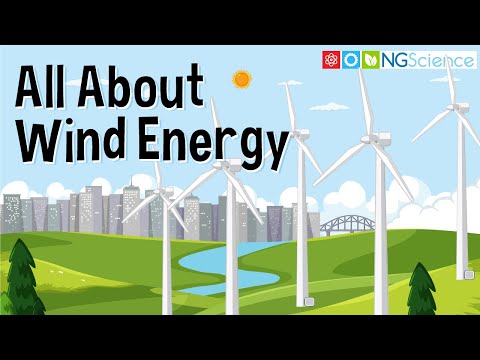
The production of wind energy starts with the installation of wind turbines, which harness the power of wind to generate electricity. Unlike burning fossil fuels, wind energy produces no harmful emissions or greenhouse gases. This makes it a clean and environmentally friendly alternative to traditional sources of energy. Additionally, wind turbines have a relatively small physical footprint compared to other power generation technologies, minimizing the disruption of natural landscapes.
- Wind energy is a renewable resource as it relies on the continuous availability of wind.
- Wind turbines have a lifespan of around 20-25 years and can be recycled at the end of their life.
- Wind power helps decrease the reliance on fossil fuels, contributing to a reduction in air pollution and mitigating climate change.
While wind energy undoubtedly possesses several sustainable characteristics, it is vital to consider the potential drawbacks and challenges associated with its implementation. These include the noise generated by wind turbines, impacts on wildlife, and the intermittent nature of wind itself. By thoroughly examining these factors, the wind power industry can strive towards maximizing its positive environmental impact and minimizing its negative consequences.
Q&A

Q: Is wind energy renewable?
A: Yes, wind energy is considered to be a renewable energy source.
Q: What does it mean for an energy source to be renewable?
A: A renewable energy source is one that is naturally replenished, either constantly or periodically, such as solar energy, wind energy, or hydropower. These sources do not deplete the Earth’s finite resources and have a minimal impact on the environment.
Q: How is wind energy generated?
A: Wind energy is generated by harnessing the power of moving air through wind turbines. Turbines have large blades that rotate when the wind blows, and this rotational motion drives a generator to produce electricity.
Q: Is wind energy sustainable in the long run?
A: Yes, wind energy is sustainable in the long run because the wind is an inexhaustible resource. As long as the sun exists, wind will continue to be generated, ensuring an ongoing supply of wind energy.
Q: What are the main advantages of wind energy as a renewable source?
A: There are several advantages of wind energy. Firstly, it is clean and does not produce greenhouse gas emissions. Additionally, it helps reduce reliance on fossil fuels, which are both finite and contribute to climate change. Wind energy also provides economic benefits through the creation of jobs in manufacturing, installation, and maintenance sectors.
Q: Are there any drawbacks or limitations to wind energy?
A: Wind energy is not without its limitations. Firstly, wind turbines can be relatively expensive to install and require proper wind conditions to be effective. Finding suitable locations for wind farms can also be a challenge. Some people may find wind turbines visually unappealing, while others may raise concerns regarding the potential impact on wildlife, such as birds and bats.
Q: How much of the world’s electricity is currently generated from wind energy?
A: As of 2021, wind energy accounts for roughly 5% of global electricity generation. However, this figure varies significantly from country to country, with some nations relying on wind energy for a much larger percentage of their energy needs.
Q: How does wind energy compare to other renewable energy sources?
A: Wind energy is one of the fastest-growing renewable energy sources worldwide. It is highly complementary to other sources like solar energy, as wind patterns often align with periods of high solar generation. By diversifying the mix of renewable energy sources, countries can enhance energy security and reduce greenhouse gas emissions.
Q: What is the future outlook for wind energy?
A: The future for wind energy looks promising. With advancements in technology and declining costs, wind power is becoming increasingly competitive and accessible. The International Energy Agency (IEA) projects that wind energy could provide around 18% of the world’s electricity by 2040, highlighting its potential to play a significant role in the global energy transition.
To Conclude
In conclusion, extensive research and analysis unequivocally affirm that wind energy is undeniably a renewable source of power. The consistent availability of wind and the unlimited supply of this abundant resource make it a sustainable and environmentally friendly alternative to traditional fossil fuels. Empirical evidence and numerous studies have confirmed the substantial benefits associated with wind energy, including its significant reduction in greenhouse gas emissions and its positive impact on public health. Furthermore, advancements in technology and ongoing research are continually improving the efficiency and reliability of wind turbines, further cementing its position as a viable solution for our current and future energy needs. As the global demand for clean and sustainable energy intensifies, the harnessing of wind power emerges as an indispensable element in addressing our environmental challenges and creating a brighter and greener future for generations to come.