

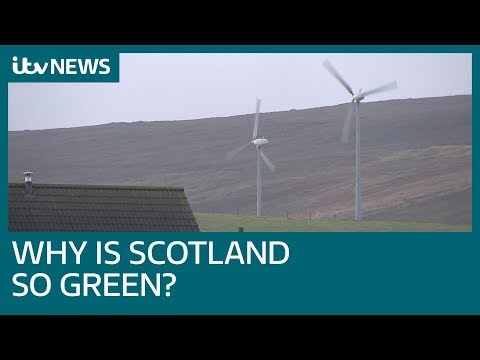

Renewable Energy Scotland: A Vast Frontier for Sustainable Innovation
As the global demand for sustainable energy solutions grows, Scotland emerges as a pioneering force in renewable energy. Blessed with abundant natural resources, this majestic land is spearheading the development and research of alternative energy sources. From wind power to hydroelectricity and solar energy, Scotland is rapidly transitioning towards a low-carbon economy, reducing greenhouse gas emissions while driving economic growth. In this article, we delve into the remarkable advancements, innovative projects, and steadfast commitment that make Scotland a front-runner in the realm of renewable energy. Through extensive research and analysis, we highlight the promising prospects and challenges faced by this nation as it forges ahead towards a cleaner and greener future.
Table of Contents
- Government Initiatives to Promote Renewable Energy in Scotland
- Challenges and Opportunities for a Sustainable Energy Transition in Scotland
- Q&A
- Future Outlook
Government Initiatives to Promote Renewable Energy in Scotland
Renewable energy has become a top priority in Scotland, as the government has been actively implementing various initiatives to promote its use and reduce dependence on fossil fuels. One of the key measures taken by the Scottish government is the establishment of the Renewable Energy Investment Fund (REIF). This fund, with an initial capitalisation of £40 million, aims to support the development of renewable energy projects across the country.
In addition to the REIF, the Scottish government has introduced Feed-in Tariffs (FiTs) as an incentive for individuals and businesses to generate their own renewable energy. FiTs provide a financial reward for those who generate electricity from renewable sources such as wind, solar, hydro, and biomass. This encourages the uptake of small-scale renewable energy installations, ultimately contributing to Scotland’s overall renewable energy targets. To further support this endeavor, the government has also simplified the process of obtaining planning permission for renewable energy projects, enabling faster and smoother implementation of renewable energy initiatives throughout the country. Additionally, the government has set ambitious goals for renewable energy, aiming to generate 100% of Scotland’s electricity demand from renewable sources by 2020. This commitment has paved the way for increased investment, research, and innovation in the renewable energy sector, driving the growth of clean and sustainable energy sources in Scotland.
Challenges and Opportunities for a Sustainable Energy Transition in Scotland
Scotland is at the forefront of the global push for a sustainable energy transition, with a clear commitment to renewable energy sources. As the nation aims to become a pioneer in sustainable practices, it faces both challenges and opportunities that will shape its energy future. This post explores some of the key hurdles and potential pathways towards achieving a truly sustainable energy system in Scotland.
One of the significant challenges in Scotland’s energy transition is the intermittency of renewable energy sources such as wind and solar. While these sources offer clean and abundant energy, their reliance on weather conditions means that energy generation fluctuates. This intermittency poses a challenge for grid stability and requires innovative solutions to ensure a constant supply of electricity. To address this, the development of energy storage technologies, such as advanced battery systems, could play a crucial role in storing excess energy generated during peak times and releasing it during periods of low production. Additionally, exploring interconnectivity with neighboring countries to balance supply and demand can contribute to overcoming this challenge.
Opportunities for Scotland lie in the vast potential for offshore wind energy. With its extensive coastline and strong wind resources, Scotland has the capacity to harness this abundant renewable energy source. Investing in offshore wind farms not only provides clean energy but also opens up economic opportunities, creating jobs and attracting investments in the region. By utilizing advanced technologies and continued research and development, Scotland can further enhance the efficiency and reliability of offshore wind energy generation. Moreover, taking advantage of emerging technologies like floating wind farms can expand the geographic scope for wind energy, tapping into deeper waters where traditional fixed structures are not a viable option. These developments have the potential to significantly boost Scotland’s renewable energy capacity and contribute to the overall sustainability goals.
Q&A
Q: What is renewable energy?
A: Renewable energy refers to any form of energy that is derived from natural resources which are constantly replenished, such as sunlight, wind, water, or geothermal heat. Unlike fossil fuels, which are finite and contribute to environmental pollution, renewable energy sources have minimal impact on the planet and provide a sustainable alternative to conventional energy generation.
Q: What is the current status of renewable energy in Scotland?
A: Scotland has made significant strides in developing renewable energy sources and is considered a global leader in clean energy production. In 2019, renewable energy accounted for approximately 76.1% of Scotland’s gross electricity consumption, surpassing its target of achieving 50% renewable electricity by 2020. It demonstrates Scotland’s commitment to transitioning to a low-carbon economy.
Q: What are the main sources of renewable energy in Scotland?
A: Scotland predominantly relies on four key sources of renewable energy: wind power, hydroelectric power, solar power, and biomass. Wind power is the most prominent, with Scotland having some of the best wind resources in Europe. Additionally, hydroelectric power benefits from Scotland’s numerous rivers and lochs, while solar power is gaining traction, although still relatively underdeveloped. Biomass, mainly in the form of wood pellets or organic waste, is another significant contributor to the country’s renewable energy mix.
Q: How is Scotland supporting the growth of renewable energy?
A: The Scottish government has implemented various measures to support and encourage the growth of renewable energy. These include favorable policies, financial incentives, and regulatory frameworks. Programs such as the Renewable Energy Investment Fund and the Feed-in Tariff scheme have spurred investment in renewable energy projects, while initiatives like the Scottish Renewable Heat Incentive have incentivized the adoption of renewable heating systems.
Q: What are the environmental benefits of renewable energy in Scotland?
A: By embracing renewable energy, Scotland greatly reduces its carbon emissions and contributes to global efforts in combating climate change. The transition to renewables helps to decrease reliance on fossil fuels and subsequently diminishes air pollution, which has positive impacts on public health. Furthermore, renewable energy ensures the preservation of natural resources and habitats, aligning with Scotland’s commitment to environmental sustainability.
Q: Does Scotland export renewable energy to other countries?
A: Yes, Scotland exports a significant amount of renewable energy to other countries. For example, it sends excess electricity to England through interconnectors, contributing to their low-carbon energy mix. Scotland’s abundant renewable energy resources enable it to harness more energy than it can consume domestically, providing opportunities for export and further bolstering its clean energy sector.
Q: What are the future plans and targets for renewable energy in Scotland?
A: Scotland has set ambitious targets for renewable energy with the aim of becoming a net-zero emissions country by 2045. The country expects to generate 100% of its electricity demand from renewable sources by 2020 and plans to phase out the need for new petrol and diesel vehicles by 2032. As part of its long-term strategy, Scotland aims to increase offshore wind capacity and explore emerging technologies such as tidal and wave power to continue leading the way in renewable energy.
Future Outlook
In conclusion, Scotland’s commitment to renewable energy is undeniable and has positioned the country as a global leader in sustainable practices. Through a combination of supportive government policies, innovative research and development, and a transition from traditional energy sources, Scotland has successfully harnessed its vast natural resources to achieve remarkable progress in the renewable energy sector.
The extensive and diverse renewable energy portfolio in Scotland, comprising a mix of wind, hydro, solar, and tidal power, has not only significantly reduced greenhouse gas emissions but also created numerous job opportunities and ensured a stable and secure energy supply. Scotland’s robust renewable energy infrastructure, highlighted by the world’s largest tidal energy project and countless wind farms, underscores the country’s potential to deliver cleaner energy to its population and beyond.
It is worth mentioning that Scotland’s commitment to renewable energy aligns with the broader global movement towards sustainable development and combatting climate change. The nation’s efforts to address the challenges of climate change, such as reducing carbon emissions and striving for energy independence, make it an exemplary model for other regions to follow.
As we look towards the future, it is clear that Scotland’s dedication to renewable energy will only grow stronger. Ongoing research and development, supported by government and private investments, will continue to drive technological advancements and further optimize renewable energy generation in the country. With an ambitious target of reaching a 100% renewable energy consumption by 2030, Scotland has set an inspiring roadmap for other nations to emulate.
In conclusion, Scotland’s pioneering approach to renewable energy underscores its status as a global leader in sustainability. By capitalizing on its natural resources and embracing innovative technologies, Scotland is not only securing its energy future but also contributing significantly to the global effort in mitigating climate change. As renewable energy continues to gain prominence worldwide, Scotland’s remarkable achievements serve as a testament to the possibilities and benefits that arise from investing in clean, reliable, and sustainable power sources.