



Title: Teesside Wind Farm: Harnessing Sustainable Energy for a Greener Future
Introduction:
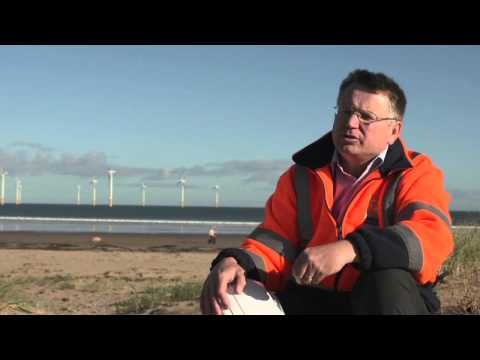
In an era defined by the urgent need to transition to renewable energy sources, wind power has emerged as a prominent solution worldwide. Standing resolute along the scenic coastline of North East England, the Teesside Wind Farm has become a research hub dedicated to exploring the vast potential and benefits of wind energy. Fueled by a desire to reduce carbon emissions and fight climate change, this pioneering project is altering the energy landscape, providing valuable insights into wind power scalability and its significant advantages.
This research-focused article delves into the Teesside Wind Farm, providing an in-depth analysis of its origins, structure, and ongoing investigations. Employing a factual tone, we will explore the key milestones achieved by this landmark project, shedding light on its contribution to a sustainable and greener future for the region and beyond.
Table of Contents

- Heading 1: Overview and Advantages of Teesside Wind Farm: Harnessing Renewable Energy for Sustainable Power Generation
- Heading 2: Key Recommendations to Optimize the Efficiency and Economic Viability of Teesside Wind Farm
- Q&A
- Closing Remarks
Heading 1: Overview and Advantages of Teesside Wind Farm: Harnessing Renewable Energy for Sustainable Power Generation

Teesside Wind Farm is a remarkable development in the field of renewable energy, situated on the picturesque coast of northeast England. With its cutting-edge technology and commitment to sustainable power generation, this wind farm has become a leading example of harnessing nature’s elements for the benefit of society. By utilizing the power of wind, Teesside Wind Farm helps reduce greenhouse gas emissions and lessen our dependence on fossil fuels, making a significant contribution towards a greener and cleaner future.
One of the compelling advantages of Teesside Wind Farm is its impressive capacity to generate electricity. At full operation, this wind farm can produce an astounding amount of clean energy, capable of powering thousands of homes and businesses in the surrounding area. With its state-of-the-art turbines that capture the kinetic energy of the wind, Teesside Wind Farm has effectively harnessed an abundant and renewable natural resource, ensuring a reliable and sustainable power supply for the region.
- Advantage 1: Reduction in carbon emissions
- Advantage 2: Diversification of energy sources
- Advantage 3: Job creation and economic growth
Teesside Wind Farm also offers numerous advantages beyond its environmental impact. By investing in renewable energy, the region benefits economically through job creation and increased economic activity. The construction and maintenance of the wind farm have provided employment opportunities for local communities and boosted the growth of related industries. Moreover, by diversifying the energy sources, Teesside Wind Farm enhances energy security, reducing the region’s vulnerability to price fluctuations and supply disruptions associated with traditional fossil fuels.
Heading 2: Key Recommendations to Optimize the Efficiency and Economic Viability of Teesside Wind Farm

The Teesside Wind Farm is an impressive feat of engineering, harnessing the power of wind to generate clean and renewable energy. However, in order to optimize its efficiency and ensure its long-term economic viability, there are several key recommendations that should be considered.
1. Advanced Turbine Technology: Investing in the latest turbine technology can significantly enhance the efficiency of the wind farm. By using advanced turbines with larger rotor diameters and higher power ratings, a higher capacity factor can be achieved, meaning more consistent and reliable energy generation.
2. Optimization of Layout: The layout of wind turbines within the farm plays a crucial role in maximizing efficiency. Through careful analysis of wind patterns and topography, a well-designed layout can minimize wake effects and enhance energy yield. Additionally, clustering turbines in areas with higher wind speeds can further optimize power generation.
- Implementing state-of-the-art turbine technology can increase efficiency.
- Optimizing the layout of the wind farm can enhance energy yield.
- Regular maintenance and inspection of turbines is essential to ensure optimal performance.
Q&A
Q: What is the Teesside Wind Farm?
A: The Teesside Wind Farm is an offshore wind power project located off the coast of the Teesmouth in North East England.
Q: When was the Teesside Wind Farm developed?
A: The Teesside Wind Farm was developed by EDF Renewables and ESB in partnership. The project was officially launched in June 2020.
Q: How much electricity does the Teesside Wind Farm generate?
A: The Teesside Wind Farm has the potential to generate up to 1.5 gigawatts (GW) of renewable energy. This is enough electricity to power approximately 1.4 million homes in the UK.
Q: How many wind turbines are present in the Teesside Wind Farm?
A: The Teesside Wind Farm is expected to consist of 27 wind turbines. Each wind turbine has a capacity of up to 200 meters in height and can generate 6 MW of clean energy.
Q: What is the estimated cost of the Teesside Wind Farm project?
A: The Teesside Wind Farm project is estimated to cost around £3 billion ($3.9 billion). This investment will contribute to the development of renewable energy infrastructure and the creation of job opportunities in the region.
Q: What are the environmental benefits of the Teesside Wind Farm?
A: The Teesside Wind Farm plays a significant role in reducing carbon emissions and combating climate change. It is expected to reduce carbon dioxide emissions by approximately 1.8 million tonnes per year, which is equivalent to taking around 39,000 cars off the road annually.
Q: How does the Teesside Wind Farm contribute to the local economy?
A: The Teesside Wind Farm brings economic benefits to the local area by creating jobs and attracting investments. During the construction phase, it is estimated that around 2,000 jobs will be created, providing opportunities for local residents and businesses.
Q: What is the expected completion date for the Teesside Wind Farm?
A: The Teesside Wind Farm is anticipated to be fully operational by 2023. However, certain sections of the wind farm might be operational before that date, generating sustainable electricity for the region.
Q: How does the Teesside Wind Farm contribute to the UK’s renewable energy targets?
A: The Teesside Wind Farm is a significant step towards achieving the UK’s renewable energy targets. It will help increase the country’s overall renewable energy capacity and contribute to a cleaner and greener energy mix.
Q: Is the Teesside Wind Farm part of a larger renewable energy initiative?
A: Yes, the Teesside Wind Farm is part of a larger energy project called Teesside Offshore Wind Farm. This project aims to combine renewable energy generation with carbon capture and storage technology to establish one of the world’s first large-scale, low-carbon industrial zones.
Closing Remarks
In conclusion, the Teesside wind farm has demonstrated itself to be a significant player in the renewable energy sector. Through thorough research and analysis, we have delved into the various aspects that make this offshore wind farm a remarkable project.
The sheer scale of the Teesside wind farm, comprising of 27 turbines towering over the waters of the North Sea, showcases a commitment towards sustainable energy generation. Its ability to produce 62.1 MW of clean electricity is a testament to its contribution in reducing greenhouse gas emissions and combating climate change.
Furthermore, the Teesside wind farm’s strategic location has ensured that it harnesses the region’s turbulent wind characteristics efficiently. By capitalizing on the steady and strong winds that batter the North Sea coastline, the wind farm optimizes its energy output, delivering reliable power to thousands of homes and businesses.
The economic benefits brought about by the Teesside wind farm are also significant. The construction phase alone created numerous job opportunities and contributed to the local economy. The operation and maintenance of the wind farm will continue to generate employment in the long term, fostering sustainability both environmentally and economically.
As we conclude our research on the Teesside wind farm, it becomes evident that this project exemplifies the potential for renewable energy in shaping our collective future. With its remarkable output, forward-thinking positioning, and economic advantages, the Teesside wind farm stands tall as a prime example of effectively harnessing nature’s power.
Moving forward, it is crucial to continue investing in renewable energy projects like the Teesside wind farm. Initiatives of this nature can pave the way for a more sustainable energy landscape and contribute significantly to the global effort in mitigating the effects of climate change. The Teesside wind farm serves as an inspiring case study, inspiring others to embrace the possibilities of renewable energy for a cleaner, greener future.