


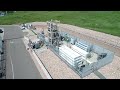


The National Renewable Energy Laboratory (NREL), a premier research institution, plays a pivotal role in advancing renewable energy technologies and accelerating their integration into our energy landscape. Established in [year], NREL serves as the United States’ primary laboratory for renewable energy and energy-efficient technologies. With a robust research portfolio and state-of-the-art facilities, NREL is dedicated to developing innovative solutions that promote sustainability, enhance energy security, and mitigate climate change. This article aims to delve into the invaluable work conducted at NREL by highlighting its research initiatives, collaborations, and influential role in shaping the future of renewable energy.
Table of Contents
- Heading 1: Overview of the National Renewable Energy Laboratory (NREL): Pioneering Renewable Energy Research and Innovation
- Heading 2: Maximizing the Impact of NREL’s Research: Recommendations for Accelerating the Transition to Renewable Energy
- Q&A
- Insights and Conclusions
Heading 1: Overview of the National Renewable Energy Laboratory (NREL): Pioneering Renewable Energy Research and Innovation
The National Renewable Energy Laboratory (NREL) is a renowned institution dedicated to pioneering research and innovation in the field of renewable energy. As one of the leading national laboratories in the United States, NREL plays a crucial role in advancing the development and integration of renewable energy technologies. With a multidisciplinary approach, NREL combines scientific expertise with industry collaboration to address the most pressing challenges in the renewable energy sector.
At the heart of NREL’s mission lies the goal of driving the transition to a clean and sustainable energy future. The laboratory conducts cutting-edge research across various renewable energy sources, including solar, wind, geothermal, bioenergy, and more. Through rigorous experimentation, modeling, and analysis, NREL scientists and engineers strive to unlock the full potential of these resources, making them more efficient, cost-effective, and accessible to the wider population.
NREL’s impact extends beyond research and development. The laboratory actively works with industry partners and stakeholders to accelerate the deployment and commercialization of renewable energy technologies. By providing technical assistance, performance testing, and data-driven insights, NREL plays a vital role in informing policy decisions, supporting technological advancements, and fostering a sustainable energy ecosystem. With an unwavering commitment to excellence and innovation, NREL continues to be at the forefront of renewable energy research, driving positive change towards a cleaner and greener future.
Heading 2: Maximizing the Impact of NREL’s Research: Recommendations for Accelerating the Transition to Renewable Energy
The National Renewable Energy Laboratory (NREL) plays a crucial role in advancing renewable energy technologies and promoting a sustainable future. In order to maximize the impact of NREL’s research, it is essential to implement certain recommendations that can accelerate the transition to renewable energy on a larger scale.
-
Enhancing collaboration: NREL should actively seek collaborations with industry leaders, research institutions, and government agencies to leverage expertise, share resources, and foster innovation. By creating strategic partnerships, NREL can unlock additional funding, access state-of-the-art facilities, and expedite the development and deployment of renewable energy solutions.
-
Scaling up demonstration projects: It is imperative for NREL to invest in large-scale demonstration projects that showcase the viability and potential of renewable energy technologies. These projects can act as living laboratories, providing valuable data, insights, and best practices for the industry. By showcasing the economic and environmental benefits of renewable energy at a larger scale, NREL can inspire confidence and drive widespread adoption.
-
Strengthening policy support: NREL should collaborate with policymakers and advocacy groups to develop policies that incentivize the adoption of renewable energy. This includes establishing supportive regulatory frameworks, creating financial incentives, and implementing robust standards for renewable energy integration. By working hand in hand with policy experts, NREL can ensure that its research findings translate into meaningful policy changes that facilitate the transition to a clean and sustainable energy future.
-
Promoting education and awareness: NREL must actively engage in public outreach and education initiatives to raise awareness about the importance of renewable energy and its potential benefits. This can involve organizing workshops, seminars, and webinars, as well as developing educational materials for different target audiences. By fostering a deeper understanding and appreciation of renewable energy, NREL can inspire individuals, businesses, and communities to take action and contribute to the global energy transition.
In conclusion, by implementing these recommendations, NREL can maximize the impact of its research efforts and play a pivotal role in accelerating the transition to renewable energy. Through collaboration, demonstration projects, policy support, and education, NREL can drive innovation, inspire change, and pave the way for a sustainable and resilient energy future. Together, we can achieve a world powered by clean and renewable sources of energy.
Q&A
Q: What is the National Renewable Energy Laboratory (NREL)?
A: The National Renewable Energy Laboratory (NREL) is the primary research and development center of the United States Department of Energy’s Office of Energy Efficiency and Renewable Energy.
Q: What is the main objective of NREL?
A: The main objective of NREL is to advance the research, development, and deployment of renewable energy and energy efficiency technologies to accelerate the transition towards a more sustainable energy future.
Q: What are the areas of research conducted by NREL?
A: NREL conducts research in various renewable energy and energy efficiency sectors, including solar energy, wind energy, geothermal energy, biomass and biofuels, hydrogen and fuel cells, energy storage, grid integration, and energy analysis.
Q: How does NREL support the development of renewable energy technologies?
A: NREL supports the development of renewable energy technologies through comprehensive research and development efforts. This includes conducting laboratory and field-based experiments, developing advanced modeling and simulation tools, and collaborating with industry, academia, and other research institutions to drive innovation.
Q: What facilities and resources does NREL possess?
A: NREL possesses state-of-the-art research facilities, including advanced laboratories, testing centers, and simulation tools, which enable researchers to study renewable energy technologies comprehensively. It also maintains unique research partnerships, data repositories, and high-performance computing resources.
Q: How does NREL contribute to the commercialization of renewable energy technologies?
A: NREL plays a crucial role in bridging the gap between research and commercialization of renewable energy technologies. It works closely with industry partners to improve the performance, reliability, and cost-effectiveness of these technologies, thus expediting their market readiness.
Q: Can NREL’s research findings be accessed by the public?
A: Yes, NREL strives to make its research findings and data accessible to the public. Much of its work is published in scientific journals, and it maintains several public databases, software tools, and reports to ensure transparent and widespread dissemination of knowledge.
Q: What impact has NREL had on the renewable energy sector?
A: NREL’s contributions to the renewable energy sector have been significant. Its research has led to major advancements in renewable energy technology performance and cost reduction. Beyond the technical developments, NREL’s analysis and expertise have shaped policy decisions, accelerated market adoption, and fostered international collaboration.
Q: How does NREL collaborate with other national and international entities?
A: NREL actively collaborates with other national laboratories, academic institutions, government agencies, and international organizations to leverage expertise and resources in the pursuit of common goals. Such collaborations foster knowledge exchange, joint research initiatives, and the development of global renewable energy standards.
Q: Can individuals and organizations engage with NREL for assistance or collaboration?
A: Yes, individuals, companies, and organizations are encouraged to engage with NREL. NREL offers various collaborative programs, partnership opportunities, and technical assistance to support stakeholders in developing innovative projects, implementing renewable energy solutions, and addressing specific energy challenges.
Insights and Conclusions
In conclusion, the National Renewable Energy Laboratory (NREL) stands as a beacon of innovation and progress in the realm of renewable energy research. Through its unwavering dedication to seeking sustainable solutions for our energy needs, NREL has played a pivotal role in advancing the growth and adoption of clean and renewable technologies globally.
With an impressive array of cutting-edge facilities, collaborative partnerships, and a brilliant team of scientists, engineers, and researchers, NREL continues to lead the way in exploring and developing groundbreaking ideas to address the challenges of our changing climate. Its commitment to rigorous scientific inquiry and technological advancements has yielded countless breakthroughs across various renewable energy sectors, while providing tangible solutions to mitigate the adverse effects of traditional energy sources on our environment.
The laboratory’s comprehensive research initiatives cover a wide range of disciplines, including solar, wind, geothermal, bioenergy, and energy efficiency. These diverse portfolios allow NREL to explore multiple avenues for sustainable energy production, storage, and distribution. By leveraging its state-of-the-art testing facilities and extensive analytical capabilities, NREL has become a trusted resource for governments, industries, and research institutions seeking reliable data and insights on renewable energy technologies.
Not only does NREL focus on innovation, but it also fosters collaboration and knowledge-sharing. The laboratory actively engages with academia, industry, and other government agencies, both domestically and internationally, to build an inclusive network of experts and stakeholders. This collaborative approach not only accelerates the pace of renewable energy research but also facilitates the seamless transfer of knowledge and technology to real-world applications.
As governments around the world increasingly recognize the urgency of transitioning to clean and sustainable energy systems, the role played by NREL becomes ever more critical. The laboratory’s invaluable contributions in creating an energy landscape that is environmentally conscious, economically viable, and technologically advanced cannot be overstated.
In summary, the National Renewable Energy Laboratory continues to push the boundaries of renewable energy research, spearheading advancements that will shape the future of our planet. Armed with its unwavering pursuit of sustainable solutions and its dedication to scientific rigor, NREL remains an indispensable institution in our collective journey towards a cleaner, greener, and more sustainable future.