

Title: Unveiling the Secrets of Wind Farms: A Comprehensive Research Overview
Introduction:
The increasing global demand for renewable energy sources has thrust wind power into the limelight as a sustainable and clean alternative to traditional fossil fuel-based energy generation. Amongst the array of technologies harnessing the power of wind, wind farms have emerged as one of the most efficient and widely adopted solutions. But what exactly is a wind farm? In this research article, we delve into the depths of wind power generation, exploring the intricacies of these impressive structures, their operational mechanisms, and their contribution to our energy needs in the face of growing environmental concerns.
With a remarkable ability to convert the kinetic energy of wind into electricity, wind farms have proven to be integral in reducing greenhouse gas emissions and mitigating climate change effects. This article aims to provide an in-depth understanding of wind farms, tackling essential aspects such as their definition, historical evolution, typical components, siting considerations, power generation process, and environmental impact.
Acknowledging the fast-paced evolution of technology within the renewable energy sector, it becomes imperative to explore the origins and development of wind farms, from their humble beginnings to their present-day prominence. Understanding their historical context can shed light on the growth trajectory and advancements that have revolutionized the renewable energy landscape.
Moreover, comprehending the key components that constitute a wind farm is pivotal to unveil its functional aspects. In this research, we will explore the different elements that make up a wind farm, including wind turbines, rotor blades, nacelles, tower structures, and the intricate electrical systems interconnecting these components. By dissecting these crucial components, we can grasp the precise explanation of how wind’s kinetic energy is harnessed and transformed into electricity for our consumption.
While wind energy opens doorways to a greener future, the location and selection of an ideal wind farm site are critical to maximize energy production and minimize potential environmental impacts. We will delve into the intricacies surrounding site selection, addressing the influence of wind resources, topography, land availability, regulations, and community engagement. By understanding these considerations, we can appreciate the multidimensional approach required to ensure the successful implementation of wind farms.
Lastly, we will explore the environmental impact associated with wind farms, examining both the positive and negative consequences. The reduction in greenhouse gas emissions, decreased reliance on fossil fuels, and conservation of natural resources all contribute to the positive aspects of wind energy. However, it is essential to address concerns regarding bird and bat collisions, noise pollution, visual impacts, and potential impacts on local ecosystems.
As we embark on this research journey, we invite readers to delve into the fascinating world of wind farms, unraveling the intricacies and shedding light on this crucial technology that enables a sustainable and cleaner future. By enhancing our understanding of wind farms, we can foster informed conversations and facilitate the adoption of renewable energy solutions on a global scale.
Table of Contents

- 1. Overview of Wind Farms: Harnessing Renewable Energy to Power Communities
- 2. Design and Operation of Wind Farms: Key Considerations for Efficient and Sustainable Energy Generation
- Q&A
- In Summary
1. Overview of Wind Farms: Harnessing Renewable Energy to Power Communities

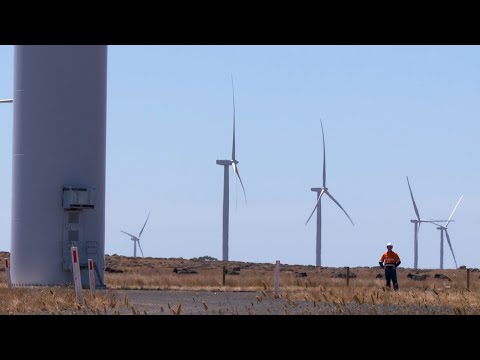
A wind farm, also known as a wind park or wind power plant, is a collection of large wind turbines strategically installed in a designated area to generate electricity from the wind’s kinetic energy. These farms play a crucial role in harnessing renewable energy and have become a prominent solution for powering communities worldwide. With their ability to produce clean electricity, wind farms contribute to reducing greenhouse gas emissions and promoting sustainable development.
The turbines in a wind farm are strategically placed to take advantage of local wind patterns, ensuring maximum efficiency and power generation. Each turbine consists of a tower, blades, and a nacelle which houses the generator, gearbox, and other important components. As the wind blows, it causes the turbine blades to rotate, generating kinetic energy that is converted into electrical energy through a generator. This electricity is then transmitted to the local power grid, where it can be distributed to homes, businesses, and industries, providing a sustainable and reliable source of power. Wind farms can range in size, with some incorporating hundreds of turbines, creating an awe-inspiring sight and an impressive testament to humanity’s commitment to harnessing the power of nature.
2. Design and Operation of Wind Farms: Key Considerations for Efficient and Sustainable Energy Generation

A wind farm refers to a collection of wind turbines that are strategically positioned in an area with sufficient wind resources to generate renewable electricity. These towering structures, often located in open landscapes or offshore, harness the power of the wind to create clean and sustainable energy. When designing a wind farm, several key considerations must be taken into account to ensure efficient and environmentally friendly energy generation.
One crucial aspect of wind farm design is the selection of an appropriate location. Wind resource assessment plays a crucial role in determining the suitability of a site for establishing a wind farm. Factors such as wind speed, direction, and stability are assessed to identify areas with optimal wind conditions. Additionally, the proximity to electrical infrastructure and potential environmental impacts are carefully evaluated. By selecting a location with high wind potential and minimal environmental consequences, wind farms can achieve maximum energy generation while minimizing their ecological footprint.
Furthermore, the layout and operations of wind farms are integral in maximizing their efficiency. The spacing between wind turbines in a wind farm is carefully determined to maximize power generation without causing significant interference between turbines. The placement of turbines is optimized to capture as much wind energy as possible. Additionally, the orientation of the turbine blades must be established to align with the prevailing wind direction, ensuring the most efficient conversion of wind power into electricity. By incorporating advanced monitoring and control systems, wind farms can also optimize performance by adjusting the pitch and yaw of the turbine blades based on real-time wind conditions. These considerations and continuous advancements in wind farm design and operation contribute to the overall goal of efficient and sustainable energy generation.
Q&A
Q: What is a wind farm?
A: A wind farm, also known as a wind power plant or wind energy facility, is a collection of wind turbines located in an area with consistent wind patterns. It is designed to convert wind energy into electrical energy on a large scale.
Q: How do wind farms work?
A: Wind farms consist of multiple wind turbines, usually ranging from a few dozen to several hundred. Each turbine is composed of rotor blades and a generator. When the wind blows, it causes the rotor blades to spin, which in turn drives the generator to produce electricity.
Q: What is the purpose of a wind farm?
A: The primary purpose of a wind farm is to generate electricity from a renewable and clean energy source, which is wind. Wind farms contribute to reducing greenhouse gas emissions and dependence on fossil fuels, making them essential in the fight against climate change and achieving sustainable energy production.
Q: How big are wind farms?
A: The size of wind farms can vary widely depending on available land and the desired energy output. They can cover anywhere from a few acres to several hundred square miles. Individual wind turbines within a wind farm are usually spaced several hundred feet apart to avoid interference with each other’s wind flow.
Q: Where are wind farms typically located?
A: Wind farms are strategically located in areas with strong and consistent wind resources. Typically, they are situated in coastal regions, offshore areas, or expansive open plains with high average wind speeds. Geographic factors, such as topography and proximity to power grid infrastructure, also influence the ideal locations for wind farms.
Q: Are wind farms noisy?
A: Although there is some noise generated by the mechanical components, modern wind turbines are designed to minimize noise as much as possible. Turbines are often located far away from residential areas to avoid disturbances. Research is ongoing to develop quieter wind turbine technology to further mitigate noise concerns.
Q: How much electricity can a wind farm produce?
A: The electricity production capability of a wind farm depends on the number and capacity of the wind turbines. Larger wind farms can generate hundreds of megawatts of electricity, while even small-scale wind farms can produce several megawatts. This energy can power thousands of homes and businesses, depending on the local demand.
Q: What are the advantages of wind farms?
A: Wind farms offer numerous advantages. They provide a clean and renewable energy source, reduce air pollution, and contribute to mitigating climate change. They also create local job opportunities and can stimulate economic growth in the areas surrounding wind farms.
Q: Are there any drawbacks to wind farms?
A: Some potential drawbacks of wind farms include visual impact on landscapes, possible disturbance to local wildlife, and intermittency in power generation due to varying wind speeds. However, advancements in wind turbine technology and careful planning can mitigate these drawbacks effectively.
Q: How are wind farms connected to the electricity grid?
A: Wind farms are connected to the electrical grid through a series of transformers and power lines. The electricity generated by the wind turbines is converted to a higher voltage using transformers, making it suitable for long-distance transmission. It is then transmitted through power lines to substations, where the voltage is reduced before being distributed to consumers.
In Summary
In conclusion, wind farms have emerged as a sustainable and clean energy solution that harnesses the power of wind to generate electricity. These large-scale installations consist of multiple wind turbines strategically placed in areas with high wind speeds, such as coastal regions or open plains. As the wind interacts with the turbine blades, it generates rotational motion that is converted into electrical energy through a generator. This environmentally friendly source of power is rapidly gaining popularity worldwide due to its numerous advantages, including a reduction in greenhouse gas emissions, a decrease in reliance on fossil fuels, and the potential for job creation and economic growth. While wind farms have undoubtedly revolutionized the renewable energy sector, further research and technological advancements in areas like turbine design, storage capacity, and integration into existing electrical grids are essential to maximize their potential. By continuing to invest in and expand wind farm infrastructure, we can pave the way towards a greener and more sustainable future for generations to come.