




Advancing Renewable Energy Storage: A Promising Frontier of Research
Introduction:
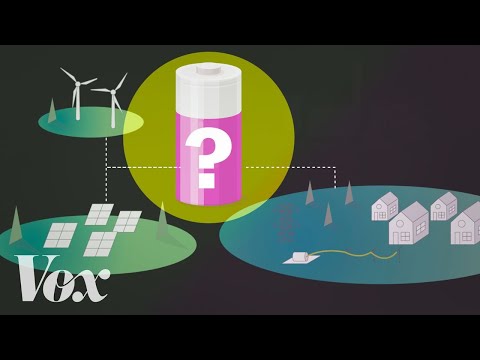
With the rising global demand for energy and the urgent need to address climate change, renewable energy sources have emerged as a key solution to meet our future power needs sustainably. However, the intermittent nature of renewable energy generation from sources like solar and wind poses a pressing challenge that necessitates the simultaneous development of effective energy storage systems. Enter the world of renewable energy storage—a rapidly evolving field of research aimed at maximizing the utilization and reliability of renewable energy sources.
As researchers and innovators strive to integrate renewable energy into our existing power grids, the problem of intermittency becomes a major hurdle to overcome. Unlike traditional sources, such as fossil fuels, that can generate power round the clock, renewable energy generation is dependent on external factors, like weather conditions and daylight availability. Consequently, surplus energy produced during peak hours often goes to waste, only to leave a gaping void when energy demand exceeds supply.
The solution seemingly lies in maximizing the capacity for energy storage systems, which can reliably store excess generated energy and release it back into the grid during periods of high demand. The development and advancement of renewable energy storage technologies are critical not only for addressing intermittency issues but also for ensuring a smooth transition towards a sustainable energy landscape.
Through rigorous research and development efforts, scientists and engineers are exploring various avenues to enhance storage capacities, improve conversion and efficiency rates, and reduce costs of renewable energy storage systems. Investments in advanced battery technologies, such as lithium-ion and flow batteries, have shown promising results, achieving significant improvements in energy density, reliability, and lifespan.
Moreover, cutting-edge research is also exploring alternative energy storage methods, including hydrogen fuel cells, compressed air energy storage (CAES), and thermal storage systems. These innovations, coupled with the integration of smart grid technologies, can revolutionize the way renewable energy is harnessed, ensuring a consistent and reliable power supply for communities and industries alike.
In this article, we delve into the domain of renewable energy storage, presenting the latest advancements, ongoing research, and their potential implications. By understanding the current landscape and future prospects of renewable energy storage, we aim to shed light on how these storage systems can play a crucial role in achieving a sustainable and resilient energy future. Through this research-driven exploration, we hope to inspire further innovation, collaboration, and strategic investments in renewable energy storage technologies that pave the way towards an environmentally conscious energy paradigm.
In this article we discuss:
- Key Challenges in Renewable Energy Storage: An Analysis of Current Limitations and Potential Solutions
- Optimizing Battery Technologies for Renewable Energy Storage: Strategies for Enhancing Efficiency and Performance
- Q&A
- Key Takeaways
Key Challenges in Renewable Energy Storage: An Analysis of Current Limitations and Potential Solutions
Renewable energy storage plays a pivotal role in the sustainable development of our future energy systems. However, this innovative technology is not without its challenges. In this post, we aim to provide a comprehensive analysis of the current limitations in renewable energy storage and explore potential solutions that could revolutionize the way we store and utilize renewable energy.
One of the key challenges in renewable energy storage is the intermittency of renewable energy sources. Unlike traditional fossil fuel power plants that can operate continuously, renewable energy sources such as solar and wind are dependent on weather conditions. This creates an inherent variability in the amount of energy generated, making it difficult to match supply with demand. To overcome this limitation, a combination of advanced energy storage technologies and smart grid systems is crucial.
- The limited energy storage capacity poses another significant challenge. Currently, most renewable energy storage solutions are limited in their ability to store large quantities of energy. Existing technologies such as lithium-ion batteries have proven effective in small-scale applications but struggle to meet the demand for grid-level storage. The development of high-capacity rechargeable batteries and other innovative storage methods, such as hydrogen storage and gravitational energy storage, holds promise in addressing this limitation.
- Cost is a significant barrier to widespread adoption of renewable energy storage. The initial investment required for implementing storage systems can be substantial, inhibiting their deployment on a large scale. Additionally, the lifetime cost of maintaining and replacing storage units needs to be considered. To make renewable energy storage more economically viable, research focuses on reducing material costs, increasing energy efficiency, and exploring financial incentives and government policies that encourage investment in storage technologies.
- Efficiency is another crucial aspect to be addressed. Energy losses during the storage and retrieval process can be significant, leading to waste and decreased overall system efficiency. Improving the conversion efficiency of storage technologies, optimizing system design, and implementing advanced control algorithms are key factors in maximizing the net energy output of renewable energy storage systems.
To overcome the challenges in renewable energy storage, a collaborative effort from scientists, engineers, policymakers, and industry stakeholders is essential. By striving to overcome the limitations discussed above and investing in research and development, we can pave the way for a sustainable and reliable future powered by renewable energy.
Optimizing Battery Technologies for Renewable Energy Storage: Strategies for Enhancing Efficiency and Performance
The advancement of battery technologies plays a pivotal role in the optimization and storage of renewable energy. With the increasing global focus on sustainable energy sources, it becomes imperative to enhance the efficiency and performance of battery systems for better integration with renewable power generation. This post delves into various strategies and approaches that can be employed to maximize the potential of battery technologies, ultimately paving the way for a more sustainable and efficient renewable energy storage system.
One crucial aspect to consider while optimizing battery technologies for renewable energy storage is the development of high-capacity and long-lasting batteries. Research and development efforts are focused on creating batteries with increased energy density and extended lifespan, enabling them to store larger amounts of energy and endure multiple charge-discharge cycles. Additionally, advancements in battery materials, such as the use of lithium-ion and solid-state batteries, offer promising opportunities for improved energy storage capabilities. These innovations are poised to revolutionize the renewable energy sector, as they bring about significant improvements in battery performance, reliability, and cost-effectiveness. Utilizing the potential of these cutting-edge battery technologies will be instrumental in meeting the growing global demand for sustainable energy storage solutions.
In addition to pushing the boundaries of battery technology, optimizing renewable energy storage also requires the implementation of intelligent management systems. These systems rely on sophisticated algorithms and control strategies to efficiently allocate and distribute energy among various renewable sources and storage systems. By intelligently managing the charging and discharging cycles of batteries, these systems can minimize energy wastage and maximize overall system efficiency. Moreover, integrating battery storage systems with renewable energy generation sources, such as solar and wind, allows for short-term energy storage during periods of excess generation and subsequent release during high demand. This seamless integration of renewable power generation and energy storage provides a more reliable and stable renewable energy supply, enabling a smoother transition towards a greener future.
Q&A
Q: What is renewable energy storage?
A: Renewable energy storage refers to the process of capturing and storing energy generated from renewable sources such as solar, wind, and hydroelectric power. It allows for the effective utilization of intermittent renewable energy by storing excess energy produced during periods of high generation and releasing it when demand is high or generation is low.
Q: Why is renewable energy storage important?
A: Renewable energy sources are inherently intermittent, meaning their output fluctuates depending on weather conditions or other factors. Energy storage technologies are crucial to help overcome this limitation and ensure a reliable and consistent energy supply from renewable sources. They enable the integration of renewable energy into the grid, promoting a greener and more sustainable energy system.
Q: What are some common methods of renewable energy storage?
A: There are various methods of renewable energy storage, including batteries, pumped hydro storage, thermal storage, compressed air energy storage (CAES), and hydrogen storage. These techniques vary in terms of scale, cost, efficiency, and suitability for different applications.
Q: How do batteries contribute to renewable energy storage?
A: Batteries are a widely used renewable energy storage technology, particularly for smaller scale applications or distributed energy systems. They store excess energy during periods of generation and release it when demand increases. Lithium-ion batteries are currently the most common type used, offering high energy densities, efficiency, and excellent response times.
Q: Can you explain pumped hydro storage and its role in energy storage?
A: Pumped hydro storage is a well-established method of renewable energy storage. It utilizes surplus electricity during periods of low demand to pump water from a lower reservoir to a higher one. When electricity demand increases, the stored water is released through turbines to generate power. Pumped hydro storage offers large-scale storage capacity and allows for rapid energy release when needed.
Q: What is thermal energy storage and how is it used in renewable energy storage systems?
A: Thermal energy storage stores renewable energy in the form of heat or cold. This method typically involves capturing excess energy and using it to heat or cool a storage medium such as water, molten salts, or phase-change materials. This stored thermal energy is later converted back into electricity or used directly for heating and cooling purposes when required.
Q: How does compressed air energy storage (CAES) work?
A: Compressed air energy storage (CAES) systems store excess renewable energy by compressing air and storing it in underground caverns or tanks. During periods of high energy demand, the compressed air is released and expands through turbines, generating electricity. CAES offers large-scale energy storage capacity and is suitable for storing energy over longer durations.
Q: What is the role of hydrogen storage in renewable energy systems?
A: Hydrogen storage allows surplus renewable electricity to be converted into hydrogen through electrolysis. The hydrogen can be stored and later used as a fuel or converted back into electricity using fuel cells. This method enables long-term energy storage and flexibility as hydrogen can be used for various applications, including transportation or industrial processes.
Q: In conclusion, what impact does renewable energy storage have on the energy landscape?
A: Renewable energy storage plays a vital role in the transition to a greener and more sustainable energy landscape. It addresses the inherent intermittency of renewable energy sources, enabling a more efficient and reliable integration of renewables into the grid. As technology advances and storage capacities increase, renewable energy storage will contribute to reducing carbon emissions and promoting a more resilient and cleaner energy future.
Key Takeaways
In conclusion, renewable energy storage has emerged as a critical component in enabling the widespread adoption of clean energy sources. Through extensive research and development efforts, scientists and engineers have made significant progress in finding viable storage solutions for renewable energy to overcome the intermittent nature of wind and solar power. From conventional methods like pumped hydro-storage to innovative technologies such as advanced batteries and thermal energy storage, each option brings unique advantages and challenges.
While further advancements and cost reductions are still necessary to fully maximize the potential of renewable energy storage, the current landscape is ripe with possibilities. Governments, industries, and research institutes around the globe are investing heavily in this field, recognizing the pivotal role renewable energy storage plays in realizing a sustainable and decarbonized future. As new technologies emerge and existing ones improve, the integration of renewable energy storage systems into our energy infrastructure will undoubtedly become more seamless and efficient.
As this article has demonstrated, renewable energy storage is not just a theoretical concept but a tangible solution to address the challenges associated with intermittent renewable energy sources. It offers a way forward in reducing reliance on fossil fuels, combating climate change, and achieving energy sustainability. Continued research, innovation, and collaboration among various stakeholders will be crucial to unlocking the full potential of renewable energy storage, paving the way for a cleaner, greener, and more prosperous future.