


Hydro energy, also known as hydroelectric power or hydropower, is a renewable source of energy that harnesses the power of moving water to generate electricity. It is derived from the energy stored in water as a result of its natural flow or falling from higher to lower elevations. As one of the oldest and most widely used sources of renewable energy, hydroelectric power has played a critical role in meeting the world’s energy demands for centuries. This research article aims to explore the intricacies of hydro energy, including its history, working principles, advantages, limitations, and its significance in today’s global energy landscape. By delving into the core elements of this sustainable energy solution, we aim to provide an in-depth understanding of hydro energy as a vital component of our energy mix.
Table of Contents
- Exploring the Potential of Hydro Energy: A Comprehensive Overview
- Examining the Benefits, Challenges, and Future Prospects of Hydro Water Power
- Q&A
- The Way Forward
Exploring the Potential of Hydro Energy: A Comprehensive Overview
Hydro energy, also known as hydropower, is a renewable source of energy that harnesses the power of moving water to generate electricity. It is a clean and sustainable energy alternative that has been in use for centuries. Today, hydro energy plays a significant role in meeting the global demand for power, providing around 16% of the world’s electricity.
One of the key advantages of hydro energy is its reliability. Unlike other renewable energy sources such as wind or solar, hydroelectric power can be generated consistently, regardless of weather conditions. This reliability makes hydro energy an important component of the world’s energy mix, especially in areas where the availability of sun or wind may be limited.
There are several types of hydropower systems, each with its own unique characteristics and applications. These include:
-
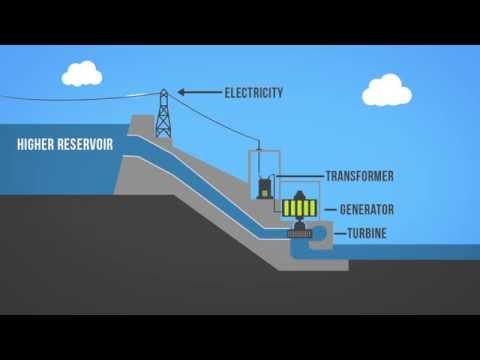
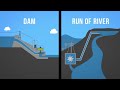
Conventional Hydropower: This type of hydropower utilizes dams and reservoirs to store water, which is then released through turbines to generate electricity. Conventional hydropower plants are typically large-scale installations that can produce significant amounts of power.
-
Run-of-River Hydropower: This form of hydropower does not require the construction of dams and reservoirs. Instead, it harnesses the natural flow of rivers or streams to generate electricity. Run-of-river systems offer environmental benefits by minimizing the impact on aquatic ecosystems.
-
Pumped Storage Hydropower: This technology involves storing water in reservoirs at different elevations. During times of low electricity demand, excess power from the grid is used to pump water uphill. When electricity demand is high, the stored water is released, flowing downhill and through turbines to generate electricity.
In conclusion, hydro energy is a valuable and versatile renewable energy source that holds great potential for powering our world sustainably. As technology continues to advance, further exploration of hydro energy’s capabilities and integration with other renewable sources will contribute to a greener and more efficient energy future.
Examining the Benefits, Challenges, and Future Prospects of Hydro Water Power
Hydro energy, also known as hydroelectric power or hydro power, refers to the use of flowing or falling water to generate electricity. This renewable energy source harnesses the kinetic energy from rivers, streams, and dams to create electricity, making it an environmentally friendly alternative to fossil fuels. offers valuable insights into its potential significance and role in the energy landscape.
One of the primary advantages of hydro energy is its sustainability. Unlike fossil fuels, which are finite resources that contribute to pollution and climate change, water is an abundant and renewable source of power. Hydro power plants have a long lifespan and can generate electricity for several decades, providing a consistent and reliable source of energy. Additionally, hydroelectric power plants do not emit greenhouse gases during operation, making them a clean energy option that helps reduce carbon emissions.
While hydro energy has numerous benefits, it also presents unique challenges. One major concern is the potential environmental impact on aquatic ecosystems. Building dams and reservoirs can alter the natural flow of rivers, affecting fish migration, water quality, and habitats. Additionally, the displacement of communities due to the creation of reservoirs can have social and economic consequences. Balancing the benefits of hydro power generation with its potential environmental and social impacts requires careful planning and sustainable practices.
Despite the challenges, the future prospects of hydro energy are promising. There is still untapped potential for the development of hydroelectric power globally, particularly in regions with abundant water resources. Additionally, advancements in technology and research are continuously improving the efficiency and sustainability of hydro power plants. Innovations such as fish-friendly turbines and small-scale hydro systems offer exciting possibilities for maximizing the benefits while minimizing the drawbacks of hydro energy.
In conclusion, hydro energy harnesses the power of flowing water to generate electricity, presenting numerous benefits and challenges. Its sustainability and clean nature make it an attractive alternative to fossil fuels, yet the potential environmental and social impacts require careful consideration. Looking ahead, the future prospects of hydro energy are bright, with untapped potential and technological advancements shaping its role in the energy sector.
Q&A
Q: What is hydro energy?
A: Hydro energy, also known as hydroelectric power, is a form of renewable energy that utilizes the force of flowing or falling water to generate electricity.
Q: How is hydro energy generated?
A: Hydro energy is typically generated by constructing dams across rivers or other flowing water sources. The potential energy of water stored in reservoirs behind the dam is then converted into kinetic energy as it flows downward. This kinetic energy turns large turbines, which are connected to generators that produce electricity.
Q: Why is hydro energy considered renewable?
A: Hydro energy is renewable because it relies on the continuous water cycle on Earth, where water is constantly replenished through rainfall and snowmelt. As long as there is sufficient water supply, hydro energy can be harnessed indefinitely without depleting the source.
Q: What are the advantages of hydro energy?
A: Hydro energy offers several advantages. Firstly, it is a clean source of energy that does not emit greenhouse gases or air pollutants during operation, contributing to reduced environmental pollution. Secondly, hydro plants have a long lifespan and can operate for 50 to 100 years, making them highly durable and reliable. Additionally, hydropower facilities can provide a stable and consistent electricity supply, as they can quickly respond to changes in demand.
Q: Are there any limitations or challenges associated with hydro energy?
A: Yes, there are limitations to hydro energy. One significant challenge is the requirement for suitable topography and access to rivers or other freshwater bodies. Building large dams can have environmental and social impacts, including the displacement of local communities and the alteration of natural ecosystems. Drought conditions can also affect the availability of water, potentially reducing the energy output of hydro plants.
Q: How widely is hydro energy used around the world?
A: Hydro energy is one of the most widely used renewable energy sources globally. It accounts for approximately 16% of the world’s total electricity production, making it a significant contributor to the energy mix in many countries. Nations with considerable hydroelectric capacity, such as China, Brazil, the United States, Canada, and Russia, produce a substantial portion of their electricity from hydro energy.
Q: Can hydro energy be integrated with other renewable energy sources?
A: Yes, hydro energy can be combined with other renewable energy sources like solar and wind power to create hybrid renewable energy systems. These systems can help offset the intermittency issues of solar and wind energy, as hydropower can be used to store excess energy and release it when needed. Such integration allows for a more stable and balanced renewable energy supply.
Q: Is hydro energy affected by climate change?
A: Climate change can have both positive and negative impacts on hydro energy. Changes in precipitation patterns and alterations in water availability can influence the generation potential of hydropower plants. Increased rainfall in certain regions might enhance hydro energy production, while droughts can reduce it. It is essential to assess the long-term effects of climate change and manage hydro power operations accordingly to ensure sustainability.
Q: What is the future outlook for hydro energy?
A: Hydro energy is expected to continue playing a significant role in the global energy transition towards renewable sources. Advances in technology, such as small-scale and low-impact run-of-river hydro plants, are being explored to minimize environmental impacts and expand the potential for hydro energy in regions lacking suitable dam sites. Additionally, research is ongoing to make hydropower more efficient and environmentally friendly by improving fish and river ecosystem passage, reducing sedimentation, and utilizing advanced turbine designs.
The Way Forward
In conclusion, hydro energy, also known as hydroelectric power, is a renewable energy source that has been harnessed for centuries. As one of the most widely used forms of renewable energy worldwide, hydroelectric power plants generate electricity by harnessing the force of flowing or falling water. This clean and efficient energy source offers numerous advantages, including its sustainability, reliability, and low greenhouse gas emissions.
Over the years, hydro energy has played a pivotal role in meeting the growing global energy demands, contributing significantly to the reduction of CO2 emissions and mitigating the adverse effects of climate change. Its ability to store large amounts of energy and provide instant backup support makes it particularly valuable for balancing power grids and ensuring stable and reliable electricity supply.
However, it is important to acknowledge that the development of hydroelectric power comes with its own set of challenges and considerations. Environmental impacts such as the alteration of river ecosystems, displacement of communities, and potential risks associated with dam failure must be carefully addressed to avoid negative consequences.
Nevertheless, with continued advancements in technology and an increasing focus on sustainable energy solutions, hydro energy continues to be a formidable player in the renewable energy sector. Its immense potential remains untapped, particularly in developing countries with abundant water resources.
As we navigate the path towards a greener future, it is imperative to recognize the significance of hydro energy as a reliable and sustainable power source. By exploring and investing in innovative techniques and strategies, we can further optimize the potential of hydroelectric power while ensuring responsible and eco-friendly practices.
In conclusion, hydro energy is not only a clean and renewable energy source but also a powerful contributor to global energy sustainability. It is an invaluable resource that offers a multitude of benefits, bringing us closer to achieving a greener, more environmentally conscious society.