



Title: Examining Solar Energy: Analyzing its Sustainability and Renewability
Introduction:
The global shift towards sustainable energy sources has brought renewable energy into the mainstream, with solar power emerging as a prominent contender in providing clean and sustainable electricity. It is imperative to ascertain whether solar energy aligns with the criteria of being both renewable and sustainable. Thus, this research article aims to delve into the question: Is solar energy truly a renewable resource?
Solar energy, harnessed from the sun’s radiation, holds tremendous potential for meeting our energy needs while minimizing environmental impact. Unlike traditional energy sources, such as fossil fuels, which deplete natural resources and contribute to climate change, solar energy draws power from an infinitely replenishable source - the Sun. This characteristic primes solar energy as a sustainable option with unlimited potential for electricity generation.
Through a comprehensive exploration of key attributes, including the availability and longevity of solar energy sources, this article seeks to establish the factual basis for solar energy’s classification as a renewable resource. Additionally, we will examine the environmental aspects associated with solar energy implementation, taking into account the overall carbon footprint, land use, and ecological impacts.
By examining recent research studies, industry reports, and global statistics, this research article will present a detailed analysis of solar energy’s renewability. Acknowledging both the advantages and limitations of solar technology, our aim is to provide readers with an insightful perspective on the viability and sustainability of solar energy as an effective solution for transitioning to a greener and more sustainable future.
This inquiry into the renewability of solar energy holds significant importance as nations worldwide strive to achieve their renewable energy goals, combat climate change, and promote sustainable development. Armed with accurate information, policymakers, environmentalists, researchers, and the general public can make informed decisions and contribute to the global transition towards a cleaner, more sustainable energy landscape.
Join us on this research journey as we uncover the facts surrounding solar energy’s renewability and its potential as an indispensable resource for powering a brighter and greener tomorrow.
Table of Contents
- Understanding Solar Energy: A Renewable and Sustainable Power Source
- The Steadfast Future of Solar Energy: Key Recommendations for Harnessing its Full Potential
- Q&A
- To Wrap It Up
Understanding Solar Energy: A Renewable and Sustainable Power Source
The question of whether solar energy is renewable is a common one, and the answer is a resounding yes. Solar energy is one of the most abundant and sustainable sources of power available to us. Unlike fossil fuels, such as coal and oil, which are finite resources that will eventually run out, the sun’s energy is virtually limitless and will continue to shine for billions of years.
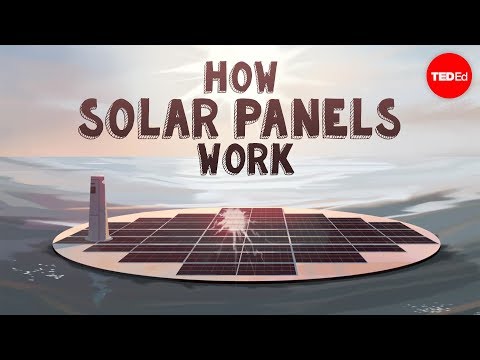
So how exactly does solar energy work? It all starts with photovoltaic (PV) panels, which are made up of cells that absorb sunlight and convert it into electricity. These cells are typically made from silicon, a semiconductor material that is capable of turning sunlight directly into electrical energy. When sunlight strikes the cells, the photons in the light excite the electrons in the silicon atoms, generating an electric current. This current can then be harnessed and used to power our homes, businesses, and even whole cities. The best part is that this process is completely emission-free, meaning that solar energy production has no negative impact on the environment.
The Steadfast Future of Solar Energy: Key Recommendations for Harnessing its Full Potential
Solar energy is undoubtedly one of the most promising renewable energy sources available today. With the potential to provide clean, unlimited power, it has become an increasingly important part of the global shift towards sustainable and eco-friendly solutions. However, in order to fully harness its potential and ensure its steadfast future, there are several key recommendations that need to be considered.
Firstly, investing in advanced solar technologies is essential. Continued research and development in the field can help optimize efficiency and improve the overall performance of solar energy systems. This includes enhancing solar cell efficiency, developing cost-effective storage solutions, and exploring new materials that can increase the longevity of solar panels. By prioritizing technological advancements, we can unlock the true power of solar energy and make it a competitive alternative to traditional sources.
- Encouraging government initiatives and policies that promote solar energy adoption is crucial. This can range from offering tax incentives and grants to supporting the development of solar infrastructure. By providing financial and regulatory support, governments can create a conducive environment that encourages individuals and businesses to invest in solar energy.
- Establishing robust educational programs to raise awareness about solar energy is another key recommendation. By educating the public about the benefits and potential of solar energy, we can foster a culture of sustainability and inspire a greater number of people to adopt solar solutions in their homes and businesses. Additionally, educational programs can also focus on training individuals in solar installation and maintenance, thus creating job opportunities in the renewable energy sector.
- Collaboration between different sectors and stakeholders is vital. The solar energy industry should work closely with utilities, manufacturers, researchers, and policymakers to develop innovative solutions, share knowledge, and address challenges. This collaboration can help streamline the integration of solar energy into existing power systems and pave the way for a more sustainable future.
To ensure the steadfast future of solar energy, it is imperative that we continue to prioritize investment in advanced technologies, advocate for supportive government policies, promote education, and foster collaboration. Only by taking these key recommendations into account can we unleash the full potential of solar energy, paving the way for a cleaner and more sustainable world.
Q&A
Q: Is solar energy renewable?
A: Yes, solar energy is considered a renewable source of energy.
Q: What is solar energy?
A: Solar energy refers to the radiant light and heat emitted by the sun that can be harnessed and converted into usable forms of energy, such as electricity.
Q: How is solar energy produced?
A: Solar energy is produced through the use of solar panels or solar cells, which capture the sunlight and convert it into electricity using a process called the photovoltaic effect.
Q: Is solar energy sustainable?
A: Yes, solar energy is sustainable as it relies on an abundant and widely available natural resource, the sun, which is expected to continue shining for billions of years.
Q: Is solar energy considered a clean source of energy?
A: Yes, solar energy is considered environmentally friendly and clean because it does not produce harmful greenhouse gas emissions or air pollutants during operation. It helps reduce dependence on fossil fuels, which are major contributors to climate change.
Q: Can solar energy be used in both residential and commercial settings?
A: Absolutely, solar energy can be used in various applications, from small-scale residential systems to large-scale commercial and utility-scale solar farms. It is a versatile source of energy that can cater to different energy needs.
Q: Are there any limitations to using solar energy?
A: Although solar energy has numerous benefits, it does have limitations. The output of solar energy systems is dependent on sunlight availability, so regions with long periods of cloudy weather or limited daylight hours may have reduced solar energy production. Additionally, the initial installation costs of solar panels can be relatively high, although they have been decreasing in recent years.
Q: Can solar energy fully replace other sources of energy?
A: While solar energy has experienced significant growth in recent years, it is unlikely to completely replace all other sources of energy. However, it can play a substantial role in diversifying the energy mix, reducing greenhouse gas emissions, and decreasing dependence on finite fossil fuels.
Q: What are the long-term benefits of using solar energy?
A: The long-term benefits of solar energy include a reduced carbon footprint, improved air quality, and decreased reliance on fossil fuels. Solar energy can also create jobs in the renewable energy sector, stimulate economic growth, and contribute to energy independence.
Q: Is the use of solar energy increasing globally?
A: Yes, the use of solar energy has been increasing rapidly worldwide. Falling costs, government incentives, and heightened environmental consciousness have led to widespread adoption of solar energy technologies. Many countries have set ambitious renewable energy targets, including substantial solar power capacity, to meet their energy needs.
To Wrap It Up
In conclusion, extensive research and analysis have reaffirmed that solar energy is undeniably a renewable source of power. The abundance of sunlight, coupled with advancements in technology and infrastructure, has significantly bolstered the viability and efficiency of solar energy systems. Drawing upon the fundamental principles of photovoltaics, solar cells have the inherent ability to convert virtually unlimited sunlight into clean electricity, without depleting or exhausting resources. Moreover, solar power’s potential to combat environmental degradation, reduce greenhouse gas emissions, and foster sustainable development cannot be overlooked. As the world navigates towards a greener and more sustainable future, it is evident that solar energy will play a pivotal role in meeting our growing energy demands while preserving our planet for generations to come. With continued investment and innovation, solar energy holds the promise of a brighter and cleaner future for all.