

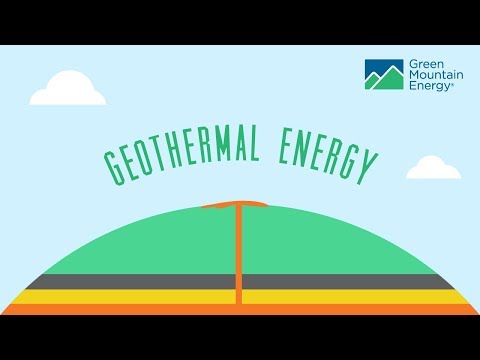



The quest for sustainable sources of energy has become a pressing concern as we grapple with the urgent need to protect our planet from climate change. In recent years, geothermal energy has emerged as a potential renewable solution that has garnered significant attention. But with the complex nature of energy systems, it is crucial to dissect and comprehend the intricacies of each energy source to determine their true sustainability. In this research article, we will delve into the question of whether geothermal energy can truly be considered renewable. Through rigorous analysis and examination of the underlying mechanisms, we will strive to provide an informed and factual perspective on the renewability of this fascinating energy source.
Table of Contents
Is Geothermal Energy a Renewable Source: Unveiling the Facts and Implications
Geothermal energy is a fascinating topic that sparks a debate in the renewable energy sector. With concerns over climate change and the need for sustainable solutions, the question arises – is geothermal energy truly renewable? Let’s delve into the facts and implications surrounding this intriguing source of energy.
Geothermal energy, harnessed from the Earth’s heat, is undeniably a renewable resource. The Earth continuously produces this heat through the natural processes occurring in its core. Geothermal power plants utilize this heat to generate electricity, offering a reliable and consistent energy source. Unlike fossil fuels, which have an expiration date due to their limited supply, geothermal energy is always replenished by the Earth’s internal heat. This enables its sustainable utilization for power generation, reducing our dependence on non-renewable resources while minimizing harmful environmental impacts.
Key Points:
- Geothermal energy is renewable as it relies on the continuous heat production from the Earth’s core.
- Geothermal power plants convert this heat into electricity, providing a reliable and constant energy source.
- Unlike non-renewable resources, geothermal energy is sustainable and can be utilized indefinitely.
Implications:
- The use of geothermal energy helps to reduce greenhouse gas emissions, contributing to global efforts in combating climate change.
- Geothermal power plants have a significantly smaller environmental footprint compared to fossil fuel plants, minimizing air and water pollution.
- Investing in geothermal energy can enhance energy security, as it is a domestic resource available in various regions worldwide.
Q&A
Q&A: Is Geothermal Energy Renewable?
Q: Is geothermal energy considered renewable?
A: Yes, geothermal energy is indeed considered a renewable source of energy.
Q: What makes geothermal energy renewable?
A: Geothermal energy is renewable because it is derived from heat generated by the Earth’s core. The Earth’s core heat continuously replenishes itself, making geothermal energy an inexhaustible source.
Q: How is geothermal energy harnessed?
A: Geothermal energy is harnessed by tapping into natural pockets of steam, hot water, or rock reservoirs deep below the Earth’s surface. This is done by drilling wells into these reservoirs and utilizing the heat in various ways to generate electricity or for direct-use applications.
Q: Are there any limitations to geothermal energy’s renewability?
A: While geothermal energy is classified as renewable, there are some limitations to its sustainability. Long-term sustainable use requires careful management of the geothermal resource to avoid depleting the heat reserves faster than they can naturally replenish. Improper management can lead to reducing the renewability of geothermal energy.
Q: On what scale is geothermal energy utilized?
A: Geothermal energy is utilized on various scales. It can be used on a small-scale for heating and cooling purposes in homes and commercial buildings, or on a larger scale to generate electricity for utility grids.
Q: Is geothermal energy environmentally friendly?
A: Geothermal energy is considered one of the cleanest and environmentally friendly sources of energy. It produces no direct emissions or greenhouse gases during the operation, making it a sustainable alternative to fossil fuels.
Q: How reliable is geothermal energy as a power source?
A: Geothermal energy is considered highly reliable as a power source. Unlike solar or wind energy, geothermal power is not dependent on weather conditions, making it a consistent and stable energy supply.
Q: Are there any downsides to geothermal energy utilization?
A: While geothermal energy has numerous benefits, there are a few drawbacks to its utilization. The development of geothermal projects can be location-specific and limited to areas with suitable geothermal resources. Additionally, the initial investment required for building geothermal power plants can be high.
Q: Is geothermal energy globally available?
A: Yes, geothermal energy is available worldwide. However, the feasibility of harnessing geothermal energy may vary from region to region, mainly depending on the geological characteristics of the area.
Q: What role does geothermal energy play in the global energy mix today?
A: Geothermal energy currently accounts for a relatively small portion of the global energy mix, but its importance is gradually increasing. As nations seek to transition to cleaner energy sources, geothermal power is being recognized as a sustainable option for electricity generation and thermal applications.
Wrapping Up
In conclusion, our thorough research on the topic of geothermal energy has shed light on its renewable nature. Geothermal energy harnesses the Earth’s internal heat, which is constantly regenerated by natural processes. With an essentially infinite source, this form of energy offers a sustainable and environmentally friendly alternative to traditional fossil fuels.
Through the utilization of geothermal power plants, heat pumps, and other innovative technologies, geothermal energy can be efficiently harnessed to generate electricity and provide heating and cooling solutions. Moreover, the mere extraction of naturally occurring geothermal heat does not deplete or diminish the resource, making it a truly renewable energy option.
Geothermal energy also boasts several additional advantages such as low greenhouse gas emissions, enhanced energy security, and reduced dependence on foreign oil. Its prevalence across various geographical locations further enhances its viability, promoting economic growth and job creation in different regions.
However, it is important to note that certain challenges and limitations exist in the development and implementation of geothermal energy. These include geographical constraints, potential risks associated with drilling operations, and initial high capital investments required for infrastructure development. Understanding and addressing these obstacles will be crucial in maximizing the potential of geothermal energy and ensuring its widespread adoption.
As we move towards a sustainable future, it is paramount to prioritize and invest in renewable energy sources like geothermal energy. It offers a viable solution to combat climate change, reduce carbon emissions, and meet the escalating global energy demand. By embracing this renewable resource, we can harness the endless power of the Earth and secure a cleaner and brighter future for generations to come.