




Title: Understanding Tidal Volume: A Comprehensive Guide to Calculating Respiratory Measurements
Introduction:
In the realm of respiratory physiology, tidal volume is a fundamental parameter used to evaluate lung function and efficiency during mechanical ventilation and various breathing maneuvers. The accurate measurement of tidal volume remains crucial in assessing adequate ventilation and diagnosing patients with respiratory abnormalities.
This research article aims to explore the intricate world of tidal volume calculations, equipping readers with comprehensive knowledge and useful tools to determine this essential respiratory metric. By delving into the principles, methodologies, and applications of tidal volume calculations, we will unravel the technical intricacies and shed light on the underlying mechanisms.
By navigating the nuances of tidal volume calculations, researchers, healthcare professionals, and respiratory therapists can enhance their understanding of lung physiology, conducting more precise assessments and diagnoses. Our exploration will encompass the essential formulas, measurement techniques, and key considerations crucial for anyone seeking a deeper insight into tidal volume calculations.
Furthermore, understanding the significance of tidal volume measurements within the broader context of respiratory medicine will allow readers to appreciate the clinical implications and potential applications in monitoring patients’ pulmonary health. Armed with this knowledge, healthcare providers can make more informed decisions and devise appropriate treatment strategies for various respiratory disorders.
Ultimately, this research article will provide an indispensable resource for those eager to enhance their understanding of tidal volume calculations. By presenting a factual and evidence-based approach, we aim to empower readers with practical insights and facilitate their ability to accurately interpret and implement tidal volume measurements to improve patient outcomes.
Table of Contents
- Calculating Tidal Volume: The Importance of Accurate Measurement
- Factors to Consider in Calculating Tidal Volume: A Comprehensive Guide
- Q&A
- Concluding Remarks
Calculating Tidal Volume: The Importance of Accurate Measurement
Accurate measurement of tidal volume is crucial in assessing and monitoring a patient’s respiratory status. Whether in a clinical setting or during at-home care, knowing how to calculate tidal volume can provide valuable insights into a person’s overall lung function. By accurately measuring the volume of air moved in and out of the lungs during a single breath, healthcare professionals can better evaluate respiratory conditions, adjust ventilation settings, and ensure optimal treatment outcomes.
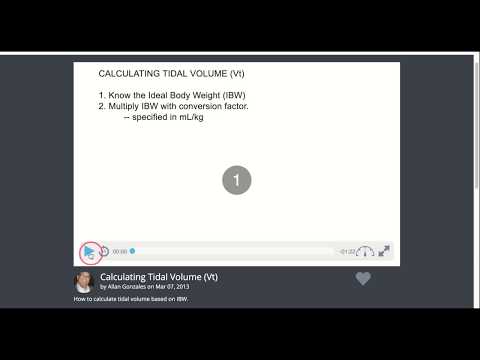
To calculate tidal volume, several factors must be taken into consideration. Firstly, it is essential to determine the individual’s ideal body weight. This can be done using formulas such as the Devine formula for adults or the weight-for-age percentiles for children. Once the ideal body weight is established, the next step is to calculate the tidal volume based on a percentage of the ideal body weight. Typically, tidal volume ranges from 6 to 8 milliliters per kilogram of ideal body weight. By utilizing this formula, one can accurately determine the appropriate tidal volume for a patient.
In addition to considering ideal body weight, it is important to account for various factors that may affect tidal volume measurements. These include age, gender, height, and overall lung capacity. Adjustments to the tidal volume calculation may be necessary depending on the patient’s unique physiological characteristics or underlying medical conditions. Moreover, it is vital to utilize accurate measurement tools, such as spirometers or ventilators, to obtain precise tidal volume readings. Regular calibration and maintenance of these devices are essential to ensure reliable and consistent measurements. By meticulously calculating tidal volume and accounting for relevant variables, healthcare professionals can better assess respiratory function and guide appropriate treatment decisions.
Furthermore, monitoring tidal volume throughout a patient’s treatment journey is imperative for ensuring optimal outcomes. Consistently measuring tidal volume can help healthcare providers assess the effectiveness of ventilation strategies, identify potential complications, and adjust treatment plans accordingly. By tracking changes in tidal volume over time, healthcare professionals can gain valuable insights into a patient’s lung capacity, respiratory efficiency, and overall progress towards recovery. Additionally, accurate tidal volume measurements can aid in the diagnosis and management of various respiratory conditions, such as chronic obstructive pulmonary disease (COPD), asthma, or acute respiratory distress syndrome (ARDS). By understanding the importance of precise measurement and vigilant monitoring, healthcare professionals can enhance patient care and improve respiratory outcomes.
Factors to Consider in Calculating Tidal Volume: A Comprehensive Guide
Tidal volume, an important measure of lung function, refers to the amount of air that is inhaled and exhaled during a normal breath. Calculating tidal volume is crucial in various medical fields, such as respiratory therapy and critical care, as it helps healthcare professionals assess a patient’s respiratory status. In this comprehensive guide, we will explore the key factors that need to be considered when determining tidal volume, allowing you to accurately measure and monitor lung function.
-
Patient Size and Age: The size of the patient, including factors like weight, height, and body surface area, is a significant factor in calculating tidal volume. These variables differ across individuals and can affect lung capacity. Similarly, age plays a role in tidal volume, as it tends to decrease with age due to changes in lung elasticity and muscle strength. Considering these factors is crucial to ensure accurate tidal volume calculations and provide tailored respiratory interventions.
-
Health Status and Lung Function: Assessing a patient’s health status and lung function is vital when calculating tidal volume. Conditions such as chronic obstructive pulmonary disease (COPD) or asthma can significantly impact lung function, leading to reduced tidal volume. Additionally, factors like smoking history, respiratory infections, or underlying lung diseases should be taken into account. By considering these aspects, healthcare professionals can customize treatment plans and monitor respiratory changes effectively.
In conclusion, accurately calculating tidal volume involves factors such as patient size and age, as well as health status and lung function. By carefully considering these aspects, healthcare professionals can gain insights into a patient’s respiratory capacity and provide appropriate interventions. Stay tuned for the rest of this comprehensive guide, where we will further delve into the methods and formulas used to calculate tidal volume, empowering you with valuable knowledge in assessing lung function.
Q&A
Question: What is tidal volume?
Answer: Tidal volume refers to the volume of air that is inhaled and exhaled during a normal breath at rest. It represents the amount of air that moves in and out of the lungs with each breath.
Question: Why is calculating tidal volume important in medical and respiratory fields?
Answer: Calculating tidal volume helps in assessing a person’s respiratory health and monitoring their lung function. It is crucial for diagnosing and managing respiratory disorders such as chronic obstructive pulmonary disease (COPD), asthma, or evaluating mechanical ventilation requirements in critical care settings.
Question: How can tidal volume be calculated?
Answer: Tidal volume can be calculated using different techniques, but the most common and straightforward method is by using spirometry. Spirometry involves using a device known as a spirometer to measure lung volumes and capacities, including tidal volume.
Question: Are there any formulas or equations for calculating tidal volume using spirometry?
Answer: Yes, there is a simple formula to calculate tidal volume using spirometry. Tidal volume can be determined by dividing the total volume by the number of breaths taken during a specific time frame, such as one minute.
Question: What are the units used to measure tidal volume?
Answer: Tidal volume is commonly measured in milliliters (ml) or liters (L). In research or clinical settings, it is often presented as milliliters per kilogram of body weight (ml/kg). This adjustment helps account for variations in lung volumes due to differences in body size and weight among individuals.
Question: Are there any factors that can affect tidal volume?
Answer: Yes, several factors can affect tidal volume. Age, gender, body size, weight, physical activity, posture, and respiratory conditions all play a role in determining tidal volume. Additionally, certain medical conditions, medications, or exposure to environmental factors can impact tidal volume as well.
Question: Can tidal volume vary during different activities or in certain health conditions?
Answer: Yes, tidal volume can vary in response to different activities and health conditions. During physical exercise or strenuous activities, tidal volume increases to meet the body’s increased oxygen demand. In respiratory diseases or conditions that affect lung function, such as asthma or COPD, tidal volume may be reduced or altered due to narrowed airways or impaired lung function.
Question: Is it possible to estimate tidal volume without using spirometry?
Answer: While spirometry provides the most accurate and reliable measurement of tidal volume, it is possible to estimate tidal volume using other methods such as simple hand-held devices or mathematical equations based on age, height, and other physiological parameters. However, these estimates may not be as precise as spirometry measurements.
Question: Can measuring tidal volume have implications beyond medical and respiratory fields?
Answer: Yes, measuring tidal volume can have wider applications beyond medical and respiratory fields. It is commonly used in sports science, exercise physiology, and even aerospace medicine to evaluate an athlete’s respiratory capacity, optimize training programs, or assess individuals’ responses to high altitude environments.
Question: Is it advisable to calculate tidal volume without proper training or guidance?
Answer: It is always recommended to seek proper training and guidance from healthcare professionals, respiratory therapists, or individuals experienced in spirometry before attempting to calculate tidal volume. Adequate training ensures accurate measurements, interpretation, and avoids potential mistakes or misinterpretations that could lead to wrong or misleading results.
Concluding Remarks
In conclusion, the calculation of tidal volume plays a critical role in understanding the dynamics of respiratory physiology and assessing pulmonary function. By accurately determining the amount of air exchanged during each normal breath, healthcare professionals can gain valuable insights into a patient’s lung health. The precise measurement of tidal volume can aid in diagnosing respiratory conditions, monitoring ventilation during anesthesia, and guiding mechanical ventilation strategies.
To calculate tidal volume, we must first understand the underlying principles of respiratory physiology and utilize the appropriate formula. Whether using a simpler estimation method based on body weight or a more advanced approach incorporating physiological parameters, such as ideal body weight and pulmonary function test results, it is crucial to ensure accuracy and reliability in our calculations. Familiarity with the different formulas available and their respective applications enables us to tailor the calculation to the specific needs of each patient.
As with any scientific research, it is important to acknowledge the limitations and potential sources of error in tidal volume calculation. Factors such as patient variability, age, sex, and underlying health conditions can significantly impact tidal volume measurements. Utilizing multiple measurement techniques and considering additional clinical information can help mitigate these limitations, ensuring that accurate and comprehensive assessments are made.
In the rapidly evolving field of respiratory medicine, advancements in diagnostic tools and computational technology continue to enhance our understanding of tidal volume and its clinical implications. By staying up to date with the latest research and guidelines, healthcare professionals can refine their calculation techniques and contribute to improved patient care.
As we strive to optimize patient outcomes, the calculation of tidal volume remains an essential component of respiratory assessment. By employing the knowledge and techniques discussed in this article, clinicians and researchers can make informed decisions regarding treatment plans, therapeutic interventions, and overall management of respiratory health. This foundation will pave the way for further advancements in respiratory medicine and foster a more comprehensive understanding of tidal volume’s role in maintaining optimal lung function.