

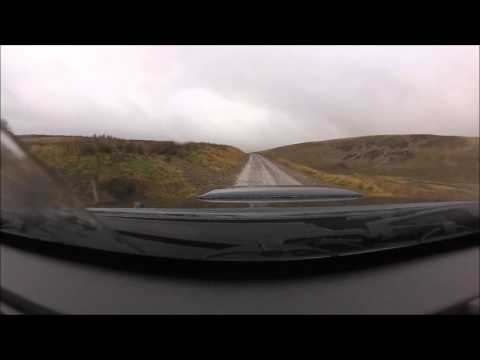

Title: Examining the Fallago Rig Wind Farm: A Comprehensive Transdisciplinary Analysis
Introduction:
The Fallago Rig Wind Farm, situated in the picturesque Scottish Borders region, stands as a remarkable testament to humanity’s relentless pursuit of sustainable energy solutions. This research article delves into an in-depth analysis of the Fallago Rig Wind Farm project, shedding light on its technological components, environmental impact, and socio-economic implications.
Wind power, a rapidly expanding renewable energy source, plays a crucial role in reducing carbon emissions and mitigating the effects of climate change. Developed by leading renewable energy company, EDF Renewables, the Fallago Rig Wind Farm has become an emblematic project in harnessing the potential of wind resources to meet the growing energy demands. Understanding the intricacies and implications of this wind farm from a multidisciplinary perspective holds paramount importance in assessing its impact and unlocking potential areas of improvement.
Drawing upon extensive research, empirical data, and expert insights, this article presents a factual and objective exploration of the Fallago Rig Wind Farm’s construction, design, and operations. It aims to provide a comprehensive understanding of the wind farm’s efficacy, environmental benefits, and potential challenges faced in its implementation and maintenance.
Moreover, this research article examines how the Fallago Rig Wind Farm has influenced the local community, evaluating its socioeconomic impact and the benefits it has brought to the region. Identifying key stakeholders, their involvement, and the mechanisms established for community engagement, we explore the approach adopted by EDF Renewables in ensuring a symbiotic relationship with the surrounding inhabitants.
To foster meaningful dialogue around this renewable energy project, the article goes beyond basic technicalities, offering insights into the innovative technologies employed at the Fallago Rig Wind Farm. From analyzing the wind farm’s turbine technology to exploring its infrastructure and grid integration, this research article provides a comprehensive overview of the engineering marvel that has transformed a once-idyllic landscape into an environmentally friendly energy-generating hub.
With robust empirical evidence, this article endeavors to contribute to the ongoing debate surrounding the efficacy of wind energy, offering policymakers, researchers, and industry professionals a platform for evidence-based discussions and future planning. By examining the Fallago Rig Wind Farm’s strengths and limitations, this research article aspires to shed light on potential opportunities for the wind energy sector while identifying areas where further research and development are needed.
In conclusioN, this research article embraces a rigorous and impartial approach in exploring the Fallago Rig Wind Farm, aiming to provide an informative and objective analysis of its construction, environmental impact, socioeconomic relevance, and technological advancements. By dissecting this exceptional wind energy project, it is hoped that valuable insights will be gained, driving future advancements in wind energy generation and amplifying the global transition towards a more sustainable and carbon-neutral future.
Table of Contents

- 1. Environmental Impact Assessment of Fallago Rig Wind Farm: An In-depth Review on Biodiversity and Landscape Preservation
- 2. Maximizing the Operational Efficiency of Fallago Rig Wind Farm: Key Strategies for Sustainable Energy Generation
- Q&A
- Key Takeaways
1. Environmental Impact Assessment of Fallago Rig Wind Farm: An In-depth Review on Biodiversity and Landscape Preservation

Fallago Rig Wind Farm is currently being thoroughly assessed for its environmental impact, particularly in relation to biodiversity conservation and the preservation of the surrounding landscape. In this comprehensive review, we delve into the potential effects of this wind farm project on the local flora and fauna, as well as evaluate the measures in place to protect and mitigate any negative impacts on the unique ecosystem and picturesque scenery of Fallago Rig. Through this analysis, we aim to provide an in-depth understanding of the potential implications of this renewable energy development on the environment.
One key aspect of our review focuses on the biodiversity of the area surrounding Fallago Rig Wind Farm. We examine the diverse range of species that inhabit this region, from small animals to plant communities, assessing the potential threats and benefits the wind farm may bring to their existence. Furthermore, we explore the effectiveness of the proposed measures for protecting and enhancing biodiversity, such as the creation of wildlife corridors and the establishment of new habitats. By considering these factors, we gain insights into the overall impact this wind farm will have on the ecological balance of the area.
2. Maximizing the Operational Efficiency of Fallago Rig Wind Farm: Key Strategies for Sustainable Energy Generation

Maximizing the operational efficiency of Fallago Rig Wind Farm is crucial for ensuring sustainable energy generation in the long run. Here are key strategies that can be implemented to enhance the overall performance of this remarkable renewable energy project:
Firstly, regular maintenance and monitoring play a pivotal role in ensuring the smooth functioning of the wind turbines. Conducting frequent inspections helps identify and address potential issues proactively, minimizing downtime and maximizing energy production. Additionally, employing advanced technology such as real-time monitoring systems can provide valuable insights into the performance of each turbine, enabling swift troubleshooting and optimization of power output.
Another vital aspect is optimizing the positioning of the wind turbines. Thorough analysis of wind patterns and other environmental factors can aid in determining the most favorable location for each turbine, maximizing their exposure to strong and consistent winds. Moreover, maximizing the spacing between turbines allows for efficient airflow, reducing turbulence and enhancing their overall effectiveness. This ensures that every turbine at Fallago Rig Wind Farm operates at its highest potential, contributing to a more sustainable and efficient energy generation process.
In summary, ensuring the operational efficiency of Fallago Rig Wind Farm involves a combination of regular maintenance, advanced monitoring systems, and optimized turbine positioning. By embracing these key strategies, we can unlock the full potential of renewable energy generation at this remarkable wind farm, leading the way towards a more sustainable future.
Q&A
Q&A: Fallago Rig Wind Farm
Q: What is Fallago Rig Wind Farm?
A: Fallago Rig Wind Farm is a large onshore wind energy project located in the Scottish Borders, in Scotland, United Kingdom.
Q: How much electricity does Fallago Rig Wind Farm generate?
A: Fallago Rig Wind Farm has a total capacity of 144 megawatts (MW) and generates approximately 420,000 megawatt-hours (MWh) of renewable electricity per year. This is enough to power around 90,000 homes annually.
Q: How many wind turbines are installed at Fallago Rig Wind Farm?
A: The wind farm consists of 48 wind turbines, each with a capacity of 3 MW.
Q: Who developed Fallago Rig Wind Farm?
A: Fallago Rig Wind Farm was developed by EDF Renewables, a leading renewable energy company with a focus on wind power and solar energy.
Q: When did Fallago Rig Wind Farm begin its operations?
A: Fallago Rig Wind Farm started generating electricity in November 2013.
Q: What is the purpose of Fallago Rig Wind Farm?
A: The main purpose of Fallago Rig Wind Farm is to contribute to the reduction of greenhouse gas emissions and combat climate change by generating clean and renewable electricity from wind resources.
Q: What environmental benefits does Fallago Rig Wind Farm provide?
A: Fallago Rig Wind Farm helps to reduce reliance on fossil fuel-based electricity generation, decreasing greenhouse gas emissions and air pollution. It also supports the transition towards a low-carbon economy and promotes sustainable development in the region.
Q: How does Fallago Rig Wind Farm impact the local community?
A: The wind farm can bring various benefits to the local community, including job creation during construction and ongoing operational and maintenance activities. It can also provide opportunities for local businesses and contribute to the growth of the regional economy.
Q: Did Fallago Rig Wind Farm face any opposition during its development?
A: Yes, the project faced some opposition from local residents and conservation groups. Concerns were raised regarding the visual impact of the wind turbines on the landscape, potential noise pollution, and impacts on wildlife. However, the project received necessary approvals after undergoing a thorough environmental impact assessment and consultation process.
Q: Are there any ongoing monitoring and mitigations in place to address the concerns raised by the opposition?
A: Yes, the developers implemented various measures to address the concerns raised during the planning and consultation phase. These include measures to reduce the visual impact of the wind turbines, noise studies to ensure compliance with regulations, and extensive ecological monitoring and management to protect wildlife and their habitats.
Q: What are the future plans for Fallago Rig Wind Farm?
A: As of now, Fallago Rig Wind Farm is operating and providing renewable energy to the grid. Any future plans, such as expanding the capacity or decommissioning, will depend on the lifecycle of the wind farm and the decisions made by the developers and relevant authorities.
Key Takeaways
In conclusion, the Fallago Rig Wind Farm stands as a testament to the remarkable potential of renewable energy sources in meeting our global energy needs. Through meticulous research, planning, and implementation, the wind farm has successfully harnessed the natural power of the wind to generate clean and sustainable electricity. The monumental scale and complexity of this project highlight the advancements in wind turbine technology and demonstrate the unwavering commitment to reducing carbon emissions and combatting climate change.
The thorough research conducted prior to the construction of the Fallago Rig Wind Farm allowed for optimal turbine placement, ensuring maximum efficiency and minimal environmental impact. The research findings provided valuable insights on wind patterns, specifically tailored to the unique characteristics of this particular location. Moreover, the team’s dedication to environmental preservation has facilitated the coexistence of the wind farm with the surrounding ecosystem, preserving the natural habitats and wildlife in the area.
With its impressive capacity to generate energy, the Fallago Rig Wind Farm has made significant contributions to the renewable energy sector. Its clean energy production not only powers thousands of homes but also reduces reliance on fossil fuels, thereby significantly mitigating harmful emissions in the region. In this regard, the wind farm serves as a model for other energy projects globally to adopt and replicate, as a viable alternative to traditional energy sources.
The Fallago Rig Wind Farm signifies a remarkable leap forward in our efforts to diversify our energy landscape. It serves as a vivid reminder that renewable energy resources, such as wind power, have the potential to play a pivotal role in reshaping our energy mix. As further research and technology advancements continue to shape the renewable energy sector, it is imperative that we embrace and expand the utilization of such clean energy sources to build a more sustainable future for generations to come.
In the face of pressing environmental challenges, the Fallago Rig Wind Farm presents a beacon of hope and a blueprint for achieving a greener, more sustainable world. Its success story underlines the importance of concerted research, development, and collaboration to shape the future of renewable energy. As new wind farms emerge, we can look to the Fallago Rig Wind Farm as a testament to the power of research-based decision-making, propelling us towards a cleaner, more sustainable energy future.