


Title: Triton Knoll Wind Farm: Harnessing Renewable Energy for a Sustainable Future
Introduction:
Renewable energy generation is swiftly becoming a cornerstone of global efforts to combat climate change and achieve sustainable development. In this research article, we delve into Triton Knoll Wind Farm, an ambitious offshore wind project located off the coast of Lincolnshire, England. With an impressive capacity to supply renewable energy to hundreds of thousands of households, Triton Knoll stands as a groundbreaking and significant contribution to the ongoing shift towards a low-carbon future. This article will provide a comprehensive overview of the project, outlining its key features, environmental impact, and the remarkable benefits it offers in reducing greenhouse gas emissions while promoting local economic growth. Through extensive research and analysis, we aim to shed light on Triton Knoll Wind Farm’s crucial role in meeting renewable energy targets and shaping a greener and more sustainable world.
Table of Contents

- Potential Environmental Impacts of Triton Knoll Wind Farm
- Mitigation Strategies for Minimizing the Environmental Footprint of Triton Knoll Wind Farm
- Q&A
- Wrapping Up
Potential Environmental Impacts of Triton Knoll Wind Farm

The Triton Knoll Wind Farm, one of the largest offshore wind energy projects in the UK, has the potential to significantly impact the environment. As we transition towards cleaner energy sources, it is crucial to analyze and understand the potential consequences that such developments may have on our natural surroundings. Let us examine some of the key environmental impacts that need to be considered in relation to the Triton Knoll Wind Farm.
1. Avian Wildlife: The construction and operation of wind turbines can pose a risk to bird populations. Migratory birds and raptors may collide with the turbines, resulting in injury or death. However, prior studies and assessments have helped identify areas where bird migration is less likely, allowing developers to design the wind farm layout in a manner that minimizes the potential impacts on avian wildlife.
2. Marine Ecosystem: Offshore wind farms can have an effect on the marine ecosystem due to alterations in the underwater environment and noise pollution. The installation of turbines and associated infrastructure can potentially disrupt habitats for marine species, impacting their feeding and breeding patterns. Careful planning and environmental impact assessments are necessary to ensure that mitigation measures are in place to minimize any negative consequences on the marine ecosystem.
Mitigation Strategies for Minimizing the Environmental Footprint of Triton Knoll Wind Farm

This post highlights mitigation strategies that have been implemented to minimize the environmental footprint of Triton Knoll Wind Farm. With its aim to generate clean and renewable energy, the wind farm project has also taken significant steps to mitigate any potential negative impacts on the environment.
1. Offshore Location
One of the most important strategies employed by Triton Knoll Wind Farm is its offshore location. By situating the turbines in the North Sea, the project takes advantage of strong wind resources while minimizing impacts on terrestrial ecosystems. This prevents the destruction of valuable habitats and reduces the disruption to land animals, nesting birds, and other wildlife. Additionally, it avoids potential conflicts with local communities and minimizes visual impacts on the coastline.
2. Avian Impact Mitigation
The wind farm project has incorporated several measures to mitigate potential impacts on bird populations. Firstly, extensive bird surveys were conducted during the development phase to identify sensitive areas and migration patterns. Based on these findings, the placement of turbines was adjusted to avoid key avian flight paths and minimize the risk of collisions. Furthermore, specialized lighting systems have been installed on the turbines to reduce attraction to birds. These systems utilize different lighting colors and intensities at different times to create a less appealing environment for birds, thus decreasing the likelihood of collisions and disturbance.
By implementing these and other mitigation strategies, the Triton Knoll Wind Farm project demonstrates a commitment to balancing renewable energy generation with environmental preservation.
Q&A
Q: What is the Triton Knoll Wind Farm?
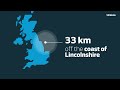
A: The Triton Knoll Wind Farm is a large offshore wind farm located in the North Sea, approximately 20 miles off the coast of Lincolnshire in Eastern England.
Q: How much electricity does the wind farm generate?
A: The Triton Knoll Wind Farm has a total generating capacity of 857 megawatts (MW), which is enough to power over 800,000 UK homes annually.
Q: How many wind turbines are there in the wind farm?
A: The wind farm comprises 90 wind turbines in total. Each turbine stands at a height of 187 meters, with a rotor diameter of 164 meters.
Q: Who developed the Triton Knoll Wind Farm?
A: The project was developed by Triton Knoll Offshore Wind Farm Ltd, which is a joint venture between Innogy Renewables UK Ltd (59%) and J-Power (41%).
Q: When did the construction of the wind farm begin and when was it completed?
A: The construction of the Triton Knoll Wind Farm began in January 2020 and was completed in July 2022.
Q: How were the wind turbines installed?
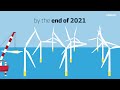
A: The wind turbines were installed using a heavy lift vessel specifically designed for offshore wind farm installations. The installation involved the use of large cranes to lift, position, and secure the wind turbine components.
Q: What is the expected lifespan of the wind farm?
A: The Triton Knoll Wind Farm is expected to have an operational lifespan of over 25 years.
Q: Is there any environmental impact from the wind farm?
A: The Triton Knoll Wind Farm has undergone rigorous environmental assessments to ensure minimal impact on marine life and habitats. The project includes comprehensive monitoring programs to mitigate potential environmental risks.
Q: How does the wind farm contribute to reducing carbon emissions?
A: By producing clean electricity from wind energy, the Triton Knoll Wind Farm plays a significant role in reducing carbon emissions. It is estimated to save approximately 1.3 million tonnes of CO2 emissions per year, equivalent to taking over 900,000 cars off the road.
Q: What are the economic benefits of the wind farm?
A: The Triton Knoll Wind Farm has provided substantial economic benefits, including the creation of numerous jobs during the construction phase. It also supports the local economy through contracts with local suppliers and businesses.
Q: Are there any future plans for expansion or upgrades of the wind farm?
A: Future plans for the Triton Knoll Wind Farm may include potential expansion or technological upgrades to optimize its performance and contribute further to the UK’s renewable energy targets. However, no specific details have been announced at this time.
Wrapping Up
In conclusion, the Triton Knoll wind farm stands as an impressive testament to the potential of renewable energy in combating climate change and driving sustainable development. Through rigorous research and meticulous planning, this offshore wind farm has been carefully designed to maximize energy generation while minimizing environmental impacts.
The Triton Knoll wind farm boasts an extensive array of cutting-edge turbines, each towering above the North Sea, capturing the relentless power of the wind and converting it into clean and reliable electricity. With a total capacity of 857 megawatts, it can power over 800,000 homes annually, making a substantial contribution to the United Kingdom’s renewable energy targets.
The construction and operation of Triton Knoll wind farm have been undertaken with the utmost attention to environmental conservation. Meticulous studies were conducted to assess the potential impacts on marine ecosystems, ensuring measures were in place to protect marine life and mitigate any disturbances during the installation and operation phases.
Furthermore, the project has created a multitude of job opportunities, stimulating the local economy and fostering social development. Collaboration with local communities has enabled effective communication and minimized disruptions during the construction phase. Ongoing partnerships have also been established to ensure the long-term benefits of the wind farm extend beyond its generation capacity.
Through extensive research and a commitment to sustainable energy, the Triton Knoll wind farm is positioning itself as a trailblazer for future offshore wind projects. Its impressive scale, meticulous planning, and careful consideration of environmental and socio-economic factors demonstrate the potential for achieving a greener and more sustainable future through renewable energy solutions.
Without a doubt, the Triton Knoll wind farm represents a significant milestone in the transition towards a low-carbon economy, setting an example for other nations around the globe. As research continues to drive innovation in the renewable energy sector, projects like Triton Knoll remind us of the immense power of human ingenuity and dedication in addressing the urgent challenges posed by climate change.