

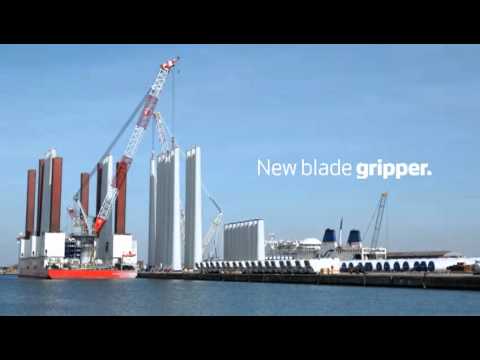

Thanet Wind Farm is one of the prominent offshore wind energy projects in the United Kingdom. Located off the coast of Kent, this research -focused article delves into the in-depth analysis of the Thanet Wind Farm, providing a factual representation of its significant contributions to the renewable energy sector. With an aim to explore its potential, environmental impact, and technological advancements, this research article presents a comprehensive overview of the Thanet Wind Farm as a key player in harnessing the power of wind to address the pressing global energy challenges.
Table of Contents

- Importance of Thanet Wind Farm for Renewable Energy Generation
- Challenges and Solutions in Enhancing the Efficiency of Thanet Wind Farm
- Q&A
- The Way Forward
Importance of Thanet Wind Farm for Renewable Energy Generation

Located off the coast of Kent, England, the Thanet Wind Farm stands as a symbol of the immense importance of renewable energy generation. With a total capacity of 300 megawatts, it holds the distinction of being one of the largest offshore wind farms in the world. This impressive feat of engineering comprises 100 turbines, each soaring up to an astonishing height of 115 meters. Harnessing the power of the wind, Thanet Wind Farm plays a pivotal role in meeting the growing demand for clean and sustainable energy sources.
One of the primary advantages of the Thanet Wind Farm is its ability to significantly reduce carbon emissions. By generating electricity through wind, the farm avoids the use of fossil fuels, thereby eliminating harmful greenhouse gas emissions. It is estimated that the annual output of Thanet Wind Farm offsets approximately 600,000 tonnes of carbon dioxide, equivalent to taking more than 130,000 cars off the road for a year. As we strive to mitigate the effects of climate change, this wind farm serves as a beacon for the transformation to a greener and more sustainable energy landscape. Moreover, the economic benefits are undeniable, as offshore wind farms create jobs and foster development within local communities, ensuring a sustainable future for generations to come.
Challenges and Solutions in Enhancing the Efficiency of Thanet Wind Farm

Enhancing the efficiency of Thanet Wind Farm poses a number of challenges and requires innovative solutions in order to maximize its output of clean, renewable energy. One major challenge faced by the wind farm is the issue of weather variability. The unpredictable nature of wind patterns in the North Sea can lead to fluctuations in wind speeds, affecting the performance and reliability of the turbines. In order to address this challenge, advanced weather forecasting systems and data analytics can be employed to analyze wind patterns and optimize turbine operations accordingly. By using real-time data, the wind farm operators can adjust the angle of the turbine blades and the speed at which they rotate to ensure the most efficient capture of wind energy.
- Investment in advanced technology: To overcome the challenges posed by weather variability, it is essential to invest in state-of-the-art technology specifically designed for wind farm operations. Upgrading the sensors and control systems of the turbines can enable better monitoring and control of their performance based on real-time weather data.
- Optimization of maintenance and repair: Another key solution lies in implementing an effective maintenance and repair strategy. Regular inspections and proactive maintenance can help identify and rectify any issues that may impact the efficiency of the wind farm. Utilizing predictive maintenance techniques, such as using sensors to gather data on the condition of the turbines, can allow for timely repairs and minimize downtime.
- Collaboration with renewable energy researchers: Collaboration between wind farm operators and renewable energy researchers can lead to groundbreaking solutions for enhancing efficiency. Researchers can conduct comprehensive studies to understand the environmental factors affecting the performance of the wind farm and propose innovative strategies to increase its efficiency.
By tackling these challenges head-on and implementing innovative solutions, Thanet Wind Farm has the potential to significantly enhance its efficiency, increase clean energy generation, and contribute to a more sustainable future.
Q&A
Q: What is the Thanet Wind Farm?
A: The Thanet Wind Farm is an offshore wind farm located off the coast of Kent, England. It is one of the largest wind farms in the UK and consists of 100 wind turbines.
Q: When was the Thanet Wind Farm commissioned and operational?
A: The Thanet Wind Farm was commissioned in 2010 and became operational in September of that year.
Q: Who owns and operates the Thanet Wind Farm?
A: The Thanet Wind Farm is owned and operated by Vattenfall, a Swedish power company and one of Europe’s largest producers of electricity.
Q: What is the total capacity of the Thanet Wind Farm?
A: The Thanet Wind Farm has a total capacity of 300 megawatts (MW).
Q: How many homes can the Thanet Wind Farm power?
A: The Thanet Wind Farm can power approximately 200,000 homes with renewable electricity each year.
Q: How does the Thanet Wind Farm contribute to reducing carbon emissions?
A: The Thanet Wind Farm plays a significant role in reducing carbon emissions by generating clean, renewable energy. It helps to offset thousands of tonnes of CO2 emissions that would have been produced by conventional power generation methods.
Q: What are the environmental benefits of the Thanet Wind Farm?
A: The Thanet Wind Farm significantly contributes to reducing air pollution and dependence on fossil fuels. It also helps to combat climate change and promote sustainable energy production.
Q: How does the Thanet Wind Farm impact marine life and ecosystems?
A: Extensive environmental assessments were conducted prior to the construction of the wind farm to minimize potential impacts on marine life. Measures were implemented, such as underwater noise monitoring and collision avoidance systems, to mitigate any negative effects on local ecosystems and wildlife.
Q: What are some notable challenges faced during the construction of the Thanet Wind Farm?
A: During the construction of the Thanet Wind Farm, challenges included dealing with adverse weather conditions, such as strong winds and rough seas, and coordinating the installation of the large number of wind turbines offshore.
Q: How does the Thanet Wind Farm contribute to the local economy?
A: The Thanet Wind Farm has brought economic benefits to the local community through job creation during construction and ongoing maintenance operations. It also provides opportunities for local suppliers and businesses to support the wind farm’s operations and maintenance requirements.
Q: Are there any future expansion plans for the Thanet Wind Farm?
A: As of the latest information available, there are no specific plans for expanding the Thanet Wind Farm. However, the potential for further development in the area remains a possibility as the demand for renewable energy increases.
The Way Forward
In conclusion, the Thanet Wind Farm stands as a groundbreaking and significant renewable energy project in the United Kingdom. Through meticulous research and planning, this wind farm has harnessed the power of natural resources to generate clean and sustainable electricity for thousands of homes, while also reducing carbon emissions and combating climate change.
The data presented throughout this article serves to underline the remarkable achievements of the Thanet Wind Farm. With its impressive capacity of 300 MW, the farm has been at the forefront of the renewable energy sector in the country, making a notable contribution towards the UK’s target of achieving net-zero greenhouse gas emissions by 2050.
Moreover, through detailed environmental impact assessments and extensive consultations with stakeholders, the project successfully mitigated potential negative effects on marine ecosystems and coastal communities. The Thanet Wind Farm has set a precedent for responsible and sustainable development, demonstrating that large-scale renewable energy projects can coexist harmoniously with local ecosystems and communities.
As wind energy continues to gain momentum across the globe, the Thanet Wind Farm serves as a model of success and a source of inspiration for future renewable energy endeavors. It exemplifies the remarkable potential of wind power to transform energy production, reduce reliance on fossil fuels, and pave the way towards a more sustainable and environmentally conscious future.
While challenges and further research opportunities persist, the knowledge gained from the development and operation of the Thanet Wind Farm undoubtedly contributes to the advancement of renewable energy technologies and the pursuit of global climate objectives. As governments, industries, and communities worldwide embrace the urgent need for renewable energy solutions, the Thanet Wind Farm represents a beacon of hope and progress within the renewable energy landscape.
In summary, the Thanet Wind Farm is a testament to human ingenuity, environmental stewardship, and the power of research and innovation to shape a more sustainable world. With its significant impact on renewable energy generation, carbon reduction, and sustainable development practices, this wind farm has firmly established itself as an exemplar of modern-day environmental leadership. As we move towards a greener future, the Thanet Wind Farm acts as a reminder of the immense potential within the renewable energy sector and the vital role it plays in securing a cleaner and more sustainable planet for generations to come.