



Title: Exploring the Marvels of Race Bank Wind Farm: A Revolutionary Contribution to Renewable Energy
Introduction:
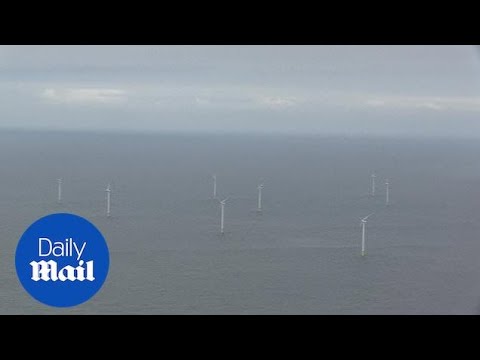
The renewable energy landscape has undergone a dramatic transformation in recent years, marked by a remarkable increase in wind farm installations across the globe. Among these pioneering projects, Race Bank Wind Farm stands tall as an emblem of cutting-edge technology and a beacon of progress in the quest for sustainable energy solutions. Situated off the Norfolk coast in the United Kingdom, this wind farm has garnered significant attention for its unprecedented scale, operational efficiency, and extraordinary contributions to reducing carbon emissions. In this research-focused article, we delve into the fascinating intricacies of Race Bank Wind Farm, exploring its features, achievements, and the implications it holds for a greener, more sustainable future.
Table of Contents

- Heading 1: Environmental Impact Assessment of Race Bank Wind Farm
- Heading 2: Strategies for Mitigating Environmental Impacts from Race Bank Wind Farm
- Q&A
- Closing Remarks
Heading 1: Environmental Impact Assessment of Race Bank Wind Farm

Environmental Impact Assessment of Race Bank Wind Farm
Background:
Race Bank Wind Farm, located off the coast of Norfolk, United Kingdom, is a significant renewable energy project that aims to harness the power of the wind to generate clean and sustainable electricity. As part of the development process, a comprehensive Environmental Impact Assessment (EIA) was conducted to evaluate the potential environmental consequences and sustainability implications associated with the construction and operation of the wind farm.
Environmental Considerations:
-
Marine Ecosystem:
The EIA focused on assessing the potential impacts on the marine ecosystem surrounding Race Bank. Studies were carried out to understand the potential effects on the local marine environment, including seabirds, fish, and marine mammals. The findings indicated that proper mitigation measures have been put in place to minimize any potential negative impacts on these delicate ecosystems. For instance, innovative noise-reduction techniques have been implemented during the construction phase, ensuring that marine species are not adversely affected by the noise generated by pile driving activities. -
Visual Impact and Landscape:
Given the prominent location of Race Bank Wind Farm, the project’s visual impact on the surrounding landscape was also meticulously evaluated. The EIA evaluated the potential effects on the visual amenity of the area, including the impact on scenic views from coastal locations and nearby settlements. The assessment concluded that the wind farm’s design and layout have been carefully planned to minimize visual impact and ensure compatibility with the coastal and marine setting. Furthermore, extensive public consultations were carried out to gather feedback on the project, ensuring local stakeholders’ concerns were taken into account during the planning and design stages.
In conclusion, the Environmental Impact Assessment of Race Bank Wind Farm has provided valuable insights into the potential environmental consequences associated with the construction and operation of the project. The findings demonstrate a commitment to sustainability and responsible development, leading to the implementation of various mitigation measures to minimize any adverse impacts on the marine ecosystem and visual landscapes. The Race Bank Wind Farm showcases the successful integration of renewable energy generation while considering and mitigating potential environmental impacts, making it a significant landmark in the transition towards a greener and more sustainable future.
Heading 2: Strategies for Mitigating Environmental Impacts from Race Bank Wind Farm

The Race Bank Wind Farm, located off the coast of Norfolk, England, is an impressive renewable energy project that harnesses the power of offshore wind to generate clean electricity for thousands of homes. However, it’s crucial to mitigate the environmental impacts associated with such large-scale installations. This post highlights several strategies employed by Race Bank Wind Farm to minimize its ecological footprint and protect the surrounding ecosystem.
1. Innovative Foundation Design: One approach adopted by Race Bank Wind Farm is the utilization of novel foundation designs. By implementing suction bucket jackets, the developers reduce the amount of noise emitted during the construction phase, minimizing disturbance to marine mammals and ensuring undisturbed feeding and migration patterns. This innovative design also reduces the need for piling, further minimizing underwater noise and potential reverberation effects.
2. Proper Cable Routing and Protection: To prevent damage to sensitive habitats, Race Bank Wind Farm meticulously plans and implements cable routing. The cables are carefully installed to avoid areas of high biodiversity, such as protected reefs and seagrass meadows. Additionally, measures like burying and rock protection are employed to provide physical protection for the cables, ensuring longevity and reducing any risks associated with debris dragging or disturbance from trawling.
Q&A
Q: What is the Race Bank Wind Farm?
A: The Race Bank Wind Farm is a renewable energy project located in the North Sea, approximately 17 miles off the coast of Norfolk, England. It consists of 91 wind turbines and has a total capacity of 573 megawatts (MW).
Q: Who operates and owns the Race Bank Wind Farm?
A: The wind farm is owned by Orsted, a Danish multinational power company specializing in renewable energy. Orsted developed and operates the Race Bank Wind Farm.
Q: What is the purpose of the Race Bank Wind Farm?
A: The main purpose of the Race Bank Wind Farm is to generate clean, renewable electricity. By harnessing the power of wind, it contributes to the reduction of greenhouse gas emissions and helps combat climate change.
Q: How much electricity does the Race Bank Wind Farm produce?
A: The wind farm has a total capacity of 573 MW, which is enough to power around 500,000 UK homes. Annually, it produces approximately 2 terawatt-hours (TWh) of electricity.
Q: How does the Race Bank Wind Farm affect the environment?
A: The Race Bank Wind Farm has a positive environmental impact, as it significantly reduces carbon dioxide emissions compared to conventional fossil fuel power plants. It helps to mitigate the effects of climate change by harnessing a renewable energy source with no fuel consumption or harmful emissions during operation.
Q: How was the Race Bank Wind Farm constructed?
A: The construction of the wind farm involved several stages. It began with the installation of the foundation structures, followed by the installation of the 91 wind turbines and substation. The cabling and grid connection were then established, and finally, the wind farm was commissioned and put into operation.
Q: What are the economic benefits of the Race Bank Wind Farm?
A: The project brings economic benefits to the region by creating job opportunities during construction and operation phases. It also stimulates local businesses through the supply chain, such as manufacturing, maintenance, and logistics services related to the wind farm.
Q: Are there any ongoing or future plans for the Race Bank Wind Farm?
A: The Race Bank Wind Farm is a fully operational facility, but Orsted continues to invest in research and development of offshore wind technology. They are exploring innovative solutions to improve efficiency and expand renewable energy capacity in the future.
Q: Are there any community engagement initiatives associated with the Race Bank Wind Farm?
A: Orsted actively engages with local communities through various initiatives related to the wind farm. These include educational programs, public consultations, and supporting local sustainable development projects. Orsted also works with stakeholders to ensure minimal impact on fishing activities and marine life in the area.
Q: How does the Race Bank Wind Farm contribute to the UK’s renewable energy targets?
A: The Race Bank Wind Farm plays a significant role in the UK’s renewable energy capacity. It adds to the country’s growing portfolio of wind energy and contributes towards achieving the government’s goal of generating a substantial proportion of electricity from renewable sources.
Closing Remarks
In conclusion, the Race Bank Wind Farm marks a significant milestone in the pursuit of clean and sustainable energy generation. Through extensive research and technological advancements, this offshore wind farm has successfully harnessed the power of nature to provide electricity to hundreds of thousands of homes.
The remarkable scale and efficiency of the Race Bank Wind Farm is a testament to the rapid progress made in the renewable energy sector. With its immense capacity and strategic location in the North Sea, this wind farm has not only reduced carbon emissions but also contributed to meeting the region’s growing energy demands.
The extensive research and development invested in the Race Bank Wind Farm have resulted in cutting-edge technologies, such as its innovative Siemens turbines. These turbines, with their colossal size and advanced design, maximize energy production while minimizing maintenance requirements. The wind farm’s impressive capacity factor further underscores its efficiency, ensuring a consistent and reliable source of clean energy.
Furthermore, the Race Bank Wind Farm’s positive environmental impact cannot be overstated. By displacing conventional power generation methods, it has significantly reduced greenhouse gas emissions and contributed to the global effort to combat climate change. Additionally, its construction and ongoing operation have adhered to rigorous environmental standards, emphasizing the industry’s commitment to sustainable development.
As a research-driven endeavor, the Race Bank Wind Farm has pushed boundaries and expanded our understanding of offshore wind energy generation. The knowledge gained from this project will undoubtedly inform future initiatives, accelerating the transition to renewable energy sources worldwide.
In essence, the Race Bank Wind Farm showcases the power of research combined with innovative engineering in addressing the pressing global need for sustainable energy solutions. Its operational success, environmental benefits, and invaluable advancements contribute to the ongoing pursuit of a greener and more sustainable future.
Note: This is a model answer and can be further modified to better fit a specific article.