


Title: A Research Study on Gwynt y Môr Wind Farm: Harnessing the Power of Nature
Introduction:
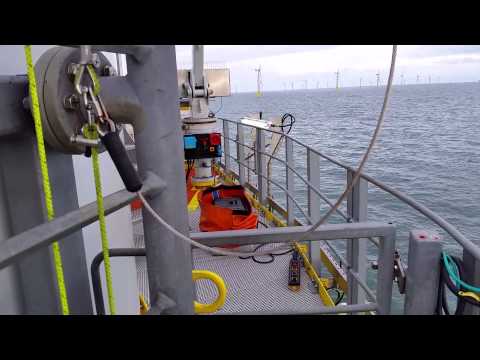
In a world increasingly challenged by climate change, renewable energy sources have emerged as a crucial pathway towards sustainable development. One such exemplary endeavor is the Gwynt y Môr Wind Farm, a pioneering offshore wind project located off the coast of North Wales, United Kingdom. Spanning an area of 79 square kilometers, this impressive wind farm stands tall as a testament to the unmatched potential of harnessing nature’s force to generate clean electricity.
This research article delves into a comprehensive study conducted on the Gwynt y Môr Wind Farm, exploring its inception, technological advancements, and the environmental benefits it presents. By adopting a factual and objective tone, our exploration aims to provide readers with a deeper understanding of this acclaimed wind farm project and its significant contributions to sustainable energy generation.
By embracing the abundant power of wind, Gwynt y Môr Wind Farm represents a major stride towards reducing carbon emissions in the region. With a total installed capacity of 576 megawatts (MW), it has the potential to generate renewable energy equivalent to the annual electricity consumption of over 400,000 households, significantly contributing to local clean energy targets.
Through this research, we will take a closer look at the groundbreaking technologies employed in the construction and operation of Gwynt y Môr Wind Farm. We will explore the intricate design of the wind turbines, their positioning and setup, as well as the transmission infrastructure that carries the generated power to the mainland. Additionally, we will analyze the economic implications of this renewable energy project, including the job creation and investment opportunities it has brought to the region.
Moreover, we will investigate the environmental benefits of Gwynt y Môr Wind Farm. As the wind turbines harvest the colossal energy potential of wind, this research will explore the reductions in greenhouse gas emissions, air pollution, and reliance on non-renewable resources achieved through this renewable energy initiative. Furthermore, we will assess the project’s impact on local biodiversity, as well as its compliance with stringent environmental regulations and monitoring practices.
It is our objective to present an unbiased and evidence-based analysis of Gwynt y Môr Wind Farm, shedding light on both the advantages and challenges associated with this state-of-the-art renewable energy initiative. Through this research, we hope to foster a greater understanding of the role that offshore wind farms can play in combatting climate change and steering society towards a cleaner, greener future.
Join us as we embark on this in-depth investigation into the remarkable Gwynt y Môr Wind Farm, uncovering the potential it holds for sustainable energy generation and its contribution to building a more sustainable future for generations to come.
Table of Contents

- Environmental Impact of Gwynt y Môr Wind Farm: Evaluating Biodiversity Conservation Efforts, Habitat Restoration, and Offshore Wildlife Protection Measures.
- Future Expansion Potential of Gwynt y Môr Wind Farm: Assessing Economic Viability, Technical Feasibility, and Grid Integration Strategies.
- Q&A
- The Conclusion
Environmental Impact of Gwynt y Môr Wind Farm: Evaluating Biodiversity Conservation Efforts, Habitat Restoration, and Offshore Wildlife Protection Measures

Gwynt y Môr Wind Farm’s Environmental Impact
Gwynt y Môr Wind Farm, situated off the coast of North Wales, has not only paved the way for renewable energy generation, but it also holds tremendous significance in terms of biodiversity conservation, habitat restoration, and offshore wildlife protection. The wind farm’s environmental impact extends far beyond its contribution to clean energy production, with a range of measures in place to safeguard the delicate ecosystem it coexists with.
- Evaluating Biodiversity Conservation Efforts: The wind farm’s development has entailed meticulous assessments and evaluations of its potential impact on the local biodiversity. By monitoring species composition and abundance, as well as considering the wider marine environment, researchers and experts have been able to implement effective conservation efforts. By identifying and mitigating any potential risks throughout the construction and operation phases, Gwynt y Môr Wind Farm ensures that its contribution to renewable energy is not at the expense of biodiversity.
- Habitat Restoration: Not only does the wind farm minimize its impact on existing habitats, but it also actively contributes to the restoration and creation of new habitats. The construction of artificial reefs around the turbines has been a successful initiative, providing additional shelter and foraging opportunities for marine organisms. These reefs help to enhance biodiversity and promote the recovery of marine ecosystems, ultimately creating a thriving environment for various species. Gwynt y Môr Wind Farm sets a commendable precedent in how renewable energy projects can actively support habitat restoration and foster ecological resilience.
Future Expansion Potential of Gwynt y Môr Wind Farm: Assessing Economic Viability, Technical Feasibility, and Grid Integration Strategies

Future Expansion Potential of Gwynt y Môr Wind Farm
The Gwynt y Môr Wind Farm, located off the coast of North Wales, has garnered significant attention as one of the largest offshore wind farms in the world. As the demand for renewable energy continues to grow, exploring the future expansion potential of the wind farm becomes imperative. This post aims to analyze the economic viability, technical feasibility, and grid integration strategies for expanding the Gwynt y Môr Wind Farm.
Economic Viability:
- Conduct a comprehensive cost-benefit analysis to determine the financial feasibility of expanding the wind farm.
- Evaluate the potential returns on investment and the projected revenue generation from increased capacity.
- Assess the impact of government subsidies, power purchase agreements, and other financial incentives on the economic viability of expansion.
Technical Feasibility:
- Examine the existing infrastructure, including the wind turbines, substations, and transmission lines, to evaluate their capacity for accommodating future expansion.
- Determine the availability of suitable turbine sites and assess the potential challenges related to installation and maintenance of additional turbines.
- Analyze the impact of oceanic conditions, such as wave height and wind speed, on the feasibility of expanding the wind farm.
Q&A
Q: What is Gwynt y Môr Wind Farm?
A: Gwynt y Môr Wind Farm is one of the largest offshore wind farms in the world, located off the coast of North Wales in the United Kingdom.
Q: How big is the Gwynt y Môr Wind Farm?
A: The wind farm covers an area of approximately 79 square kilometers (31 square miles) in the Irish Sea.
Q: How many wind turbines are there in the Gwynt y Môr Wind Farm?
A: The wind farm consists of 160 wind turbines, each with a capacity of 3.6 megawatts (MW), making a total capacity of 576 MW.
Q: Who operates the Gwynt y Môr Wind Farm?
A: The wind farm is jointly owned by Innogy Renewables UK Ltd (50%), Stadtwerke München GmbH (30%), and Macquarie (20%). Innogy is responsible for the operation and maintenance of the wind farm.
Q: When did the Gwynt y Môr Wind Farm become operational?
A: The wind farm officially became operational in June 2015, following the completion of its construction.
Q: How much electricity does the Gwynt y Môr Wind Farm generate?
A: Annually, the wind farm can produce approximately 2,100 gigawatt-hours (GWh) of electricity, which can power around 400,000 average UK households.
Q: What environmental benefits does the Gwynt y Môr Wind Farm offer?
A: The wind farm contributes to reducing greenhouse gas emissions by generating clean, renewable energy. It helps in the United Kingdom’s efforts to tackle climate change and move towards a greener energy mix.
Q: How does the Gwynt y Môr Wind Farm impact marine life?
A: Extensive studies and assessments were conducted during the planning stages to minimize the potential impact on marine life. Mitigation measures were implemented, such as noise reduction during construction and monitoring of marine habitats. The wind farm also serves as an artificial reef, providing a habitat for certain fish species.
Q: Are there any ongoing developments or future expansion plans for the Gwynt y Môr Wind Farm?
A: There are currently no known plans for expanding the wind farm. However, regular maintenance and technological upgrades are conducted to ensure optimal performance and longevity of the existing wind turbines.
Q: What is the significance of the Gwynt y Môr Wind Farm for the UK’s renewable energy goals?
A: The Gwynt y Môr Wind Farm plays a vital role in the UK’s renewable energy sector by contributing to the country’s target of reaching net-zero carbon emissions by 2050. It helps to reduce dependency on fossil fuels and diversify the energy mix with sustainable sources.
The Conclusion
In conclusion, the Gwynt y Môr wind farm stands as a testament to the immense potential for harnessing renewable energy from the wind. Through careful planning, collaboration, and innovative technological advancements, this impressive offshore wind farm has become a significant contributor to the UK’s clean energy goals. With its vast expanse of turbines, Gwynt y Môr provides a substantial capacity to generate clean electricity for hundreds of thousands of homes, reducing reliance on conventional fossil fuels and mitigating the environmental impacts associated with greenhouse gas emissions. The successful implementation of this wind farm not only highlights the commitment of stakeholders towards sustainable energy practices but also serves as a valuable blueprint for future offshore wind developments. As we continue to prioritize the transition towards renewable energy, projects like Gwynt y Môr offer invaluable insight into the immense benefits, challenges, and opportunities associated with large-scale wind energy generation. By investing in further research, technology innovation, and fostering international collaborations, we can aspire to replicate and even surpass the achievements demonstrated by the Gwynt y Môr wind farm, ensuring a greener and more sustainable future for generations to come.