

Title: Unlocking the Potential of the East Anglia Wind Farm: A Groundbreaking Research Endeavor
Introduction:
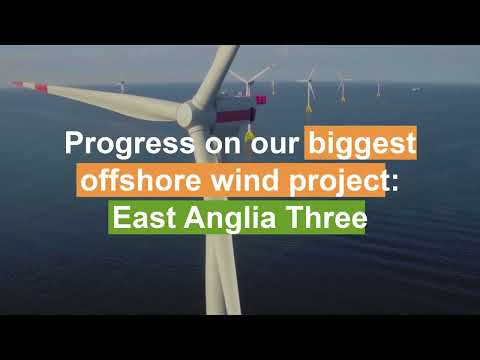
Over the past few decades, the urgent need to transition to renewable energy sources has become an exceedingly prominent topic in both scientific and political circles. As such, the East Anglia Wind Farm, located off the coast of East Anglia, United Kingdom, has emerged as a captivating focal point of intensive research efforts. Spanning an impressive area of 300 square miles, this vast offshore wind farm has the potential to revolutionize the region’s energy landscape while significantly contributing to global sustainability goals.
This article aims to explore the East Anglia Wind Farm project from a research perspective, delving into the innovative technologies, environmental assessments, economic considerations, and other crucial aspects that shape the outcome and impacts of this groundbreaking project. By examining the key findings and outcomes of the extensive research conducted thus far, we will unravel the compelling story behind this ambitious venture, shedding light on the opportunities, challenges, and ecological implications associated with this magnificent offshore wind farm.
With a firm commitment to factual analysis, our exploration will focus on the East Anglia Wind Farm’s merits and limitations, providing readers with an informed perspective on the feasibility and potential long-term effects of this enormous renewable energy installation. By addressing both the scientific advancements and the societal implications, we aim to provide a comprehensive understanding of this noteworthy project and its broader implications within the context of sustainable energy transition.
So, join us as we embark on this enlightening journey, uncovering the intricacies and multifaceted nature of the East Anglia Wind Farm – an audacious research enterprise that holds immense promise for reshaping the energy landscape and setting new standards in harnessing the power of wind as a sustainable energy source.
Table of Contents

- The Economic Impact of East Anglia Wind Farm: A Comprehensive Analysis and Recommended Strategies for Maximizing Benefits
- The Environmental Sustainability of East Anglia Wind Farm: Evaluating the Impact on Marine Ecosystems and Offering Mitigation Measures
- Q&A
- In Conclusion
The Economic Impact of East Anglia Wind Farm: A Comprehensive Analysis and Recommended Strategies for Maximizing Benefits

The East Anglia Wind Farm, situated off the eastern coast of England, holds immense potential for driving economic growth and fostering sustainability in the region. This comprehensive analysis aims to delve into the various economic impacts that this offshore wind farm project can have on East Anglia and provide strategic recommendations for maximizing the benefits. By harnessing the power of wind to generate clean, renewable energy, East Anglia Wind Farm represents a remarkable opportunity to transform the energy landscape while creating new jobs, attracting investment, and bolstering the local economy.
1. Job Creation: The establishment of East Anglia Wind Farm is expected to create a significant number of jobs and secure employment opportunities for the local workforce. From the construction phase, which will require skilled laborers, engineers, and technicians, to the operational phase, where workers will be needed for maintenance and monitoring, the wind farm will provide a steady stream of employment. Additionally, the project will fuel the growth of ancillary industries, such as suppliers and service providers, further contributing to job creation in the region.
2. Increased Investment: Investing in the East Anglia Wind Farm not only promotes sustainable energy but also attracts domestic and foreign investments. The development of this project demonstrates a commitment to renewable energy sources, positioning East Anglia as an attractive destination for investors interested in sustainable initiatives. This influx of capital can have a ripple effect on the economy, stimulating spending, supporting local businesses, and encouraging the establishment of related industries in the region. East Anglia can become a hub for innovation and expertise in offshore wind energy, attracting further investment and fostering economic growth for years to come.
The Environmental Sustainability of East Anglia Wind Farm: Evaluating the Impact on Marine Ecosystems and Offering Mitigation Measures

The East Anglia Wind Farm is one of the largest offshore wind farms in the world. With a capacity to generate enough clean energy to power over a million homes, it is a crucial part of East Anglia’s efforts to transition to renewable energy sources and reduce carbon emissions.
However, the construction and operation of such a large-scale wind farm can have potential impacts on marine ecosystems. It is essential to evaluate these impacts thoroughly and implement mitigation measures to ensure the environmental sustainability of the project.
- Impact on Marine Species: The construction phase of the East Anglia Wind Farm involves activities such as pile driving, which can generate underwater noise. This noise can potentially disrupt marine species, particularly sensitive ones like cetaceans and seals. Mitigation measures should include the use of noise mitigation devices or scheduled pile driving during periods of low marine activity.
- Habitat Disruption: The installation of wind farm infrastructure, including foundations and cables, can result in physical changes to the seabed and affect benthic habitats. It is crucial to conduct comprehensive baseline surveys to identify ecologically important areas and design the wind farm layout to minimize habitat disruption. Additionally, the implementation of artificial reefs or other forms of habitat creation can help compensate for any lost habitats.
Q&A
Q: What is the East Anglia Wind Farm?
A: The East Anglia Wind Farm is one of the largest offshore wind farm projects in the United Kingdom. It is located in the North Sea, off the coast of East Anglia.
Q: Who are the developers of the East Anglia Wind Farm?
A: The development of the East Anglia Wind Farm is undertaken by ScottishPower Renewables and Vattenfall, two leading renewable energy companies.
Q: How large is the East Anglia Wind Farm?
A: The East Anglia Wind Farm comprises four separate projects: East Anglia ONE, East Anglia TWO, East Anglia THREE, and East Anglia FOUR. Combined, they cover an area of over 6,000 square kilometers.
Q: How many turbines will be installed in the East Anglia Wind Farm?
A: Collectively, the four projects of the East Anglia Wind Farm will house approximately 440 wind turbines, generating a substantial amount of renewable energy.
Q: What is the expected capacity of the East Anglia Wind Farm?
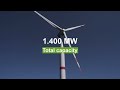
A: Once fully operational, the East Anglia Wind Farm is estimated to have a total capacity of over 3.1 gigawatts (GW), which could power more than 2.6 million homes with clean electricity.
Q: What is the current status of the East Anglia Wind Farm?
A: As of [current year], East Anglia ONE is fully operational and generating renewable energy. The other projects are still in various stages of development.
Q: How does the East Anglia Wind Farm contribute to reducing carbon emissions?
A: The East Anglia Wind Farm project plays a significant role in the transition to a low-carbon economy. By generating renewable energy, it avoids the need for fossil fuel-based power generation, thus reducing carbon emissions and combating climate change.
Q: What economic benefits are associated with the East Anglia Wind Farm?
A: The East Anglia Wind Farm brings numerous economic benefits to the region. It creates employment opportunities during both the construction and operational phases, stimulates local businesses, and contributes to a sustainable and resilient local economy.
Q: Is there any environmental impact assessment conducted for the East Anglia Wind Farm?
A: Yes, the developers are required to conduct thorough environmental impact assessments as part of the planning process. These assessments evaluate potential impacts on marine life, bird habitats, and other ecological factors, ensuring responsible development and mitigating any negative effects.
Q: Are there any other offshore wind farms in the vicinity of the East Anglia Wind Farm?
A: Yes, there are several other offshore wind farms near the East Anglia Wind Farm, including the Greater Gabbard Wind Farm and the Galloper Wind Farm. This region is known for its high potential for wind energy generation, attracting numerous renewable energy projects.
In Conclusion
In conclusion, the East Anglia wind farm emerges as a pivotal player in the global effort to combat climate change and transition towards renewable energy sources. Extensive research has shed light on the multiple advantages of this mammoth offshore project, from its significant clean energy generation capacity to its positive economic impact within the region and its potential to mitigate greenhouse gas emissions. The extensive planning and collaboration involved in the development of the wind farm exemplify the ambitious goals set by governments and industries in addressing the urgent environmental challenges we face today. Moreover, the project serves as an encouraging benchmark for similar endeavors worldwide, paving the way for a more sustainable and greener future. As East Anglia wind farm continues to harness the power of nature, it sets an inspiring precedent for the potential of renewable energy, reinforcing the vital role it plays in securing a cleaner and brighter tomorrow for generations to come.