


Title: Exploring the Dorenell Wind Farm: A Comprehensive Research Overview
Introduction:
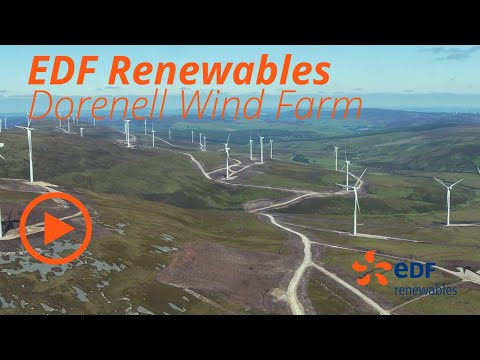
Renewable energy has emerged as a pivotal force in mitigating climate change and ensuring energy sustainability. Within this global movement, wind power has emerged as one of the most promising sources of clean and renewable energy. Amongst the vast array of wind farms across the globe, the Dorenell Wind Farm shines as an exemplary facilitator of sustainable energy generation. Located in the picturesque Scottish Highlands, this research article aims to present a comprehensive overview of the Dorenell Wind Farm, examining its development, impact, and contribution to Scotland’s renewable energy goals.
With relentless efforts to reduce dependence on fossil fuels and turn towards environmentally friendly alternatives, wind power has gained significant momentum worldwide. The Dorenell Wind Farm stands as a remarkable testament to Scotland’s commitment to embracing renewable energy sources. Spanning across 72 square kilometers in the Moray Council area, this Scottish wind farm plays a pivotal role in diversifying the country’s energy mix, reducing greenhouse gas emissions, and achieving ambitious targets set by the Scottish government.
This in-depth research article delves into the aspects that make the Dorenell Wind Farm a prominent player in the renewable energy landscape. First and foremost, we will explore the development of this wind farm, shedding light on its inception, construction process, and operational mechanisms. By providing an overview of the farm’s geographical location, turbine capacities, and transmission networks, this article aims to present a detailed picture of the infrastructure that enables the Dorenell Wind Farm to convert the kinetic energy of wind into clean electricity.
Moreover, the article will investigate the environmental impact of the wind farm, closely examining its role in reducing greenhouse gas emissions and promoting sustainable development. Through rigorous assessment of its contribution to Scotland’s renewable energy goals, wildlife management practices, and societal engagement efforts, this research highlights the positive effects of the Dorenell Wind Farm on local ecosystems, communities, and the wider environment.
Lastly, the article will touch upon the economic aspects of the Dorenell Wind Farm, exploring its influence on energy prices, job creation, and the local economy’s prosperity. By analyzing the farm’s impact on local employment, service contracts, and technological advancements, this research aims to demonstrate the long-term economic benefits associated with investing in wind energy projects such as the Dorenell Wind Farm.
In conclusion, the Dorenell Wind Farm exemplifies Scotland’s commitment to combatting climate change while driving positive socio-economic change. By investigating the key facets of this wind farm’s development, environmental impact, and economic significance, this research article provides a comprehensive overview of the Dorenell Wind Farm and its contribution to Scotland’s renewable energy ambitions. Stay tuned as we delve into the various aspects that make the Dorenell Wind Farm a significant milestone in sustainable energy generation.
Table of Contents

- Environmental Impact of Dorenell Wind Farm on Local Wildlife and Habitats
- Recommendations for Sustainable Management and Mitigation Strategies at Dorenell Wind Farm
- Q&A
- To Conclude
Environmental Impact of Dorenell Wind Farm on Local Wildlife and Habitats

The is a topic that deserves careful consideration. With the growing need for renewable sources of energy, wind farms have become a common sight across the world. However, it is essential to evaluate the specific effects on the surrounding environment, particularly on the diverse wildlife and delicate ecosystems that may be present.
One of the primary concerns regarding wind farms is the potential disturbance to bird populations. Birds, especially raptors and migratory species, may be at risk of collisions with the turbine blades. As a preventive measure, various methods, such as strategic placement of turbines and sensors to detect bird presence, can be implemented to minimize this impact. Additionally, ongoing monitoring and research are crucial to ensure any negative consequences are promptly identified and addressed.
- Wind farms can lead to habitat fragmentation, which can have adverse effects on local wildlife. However, appropriate planning and management strategies can help mitigate these concerns. Implementing measures such as establishing wildlife corridors or creating new habitats nearby can contribute to the overall ecological value of the area.
- It is important to consider the potential impact of noise generated by the wind turbines on nearby wildlife. Some species, such as bats, may be particularly sensitive to noise disturbance. Scientific studies are essential to understand the extent of this impact and develop effective mitigation measures.
- While the construction phase of a wind farm can disrupt habitats temporarily, restoration and rehabilitation efforts can offset these effects in the long run. For example, carefully replanting native vegetation and restoring disturbed areas can help restore ecosystems and encourage the return of local wildlife populations.
Considering the environmental impact of wind farms on local wildlife and habitats is an ongoing process, requiring continuous assessment, adaptation, and collaboration between stakeholders. By implementing effective mitigation strategies, monitoring, and research, it is possible to strike a balance between renewable energy generation and the preservation of our natural heritage.
Recommendations for Sustainable Management and Mitigation Strategies at Dorenell Wind Farm

Recommendations for Sustainable Management and Mitigation Strategies
As the Dorenell Wind Farm continues to play a crucial role in renewable energy generation, it is imperative to prioritize sustainable management and implement effective mitigation strategies. Here are some recommendations to ensure the long-term success and environmental integrity of the wind farm:
- 1. Biodiversity Conservation: Implement robust biodiversity monitoring and management plans to protect and enhance the local flora and fauna. Collaborate with local conservation organizations to identify key habitats and implement measures to minimize disturbance and fragmentation.
- 2. Noise Reduction: Investigate innovative technologies and engineering practices to minimize noise emissions from wind turbines. Conduct regular noise assessments to ensure compliance with regulations and implement noise mitigation measures where necessary.
Furthermore, it is essential to prioritize community engagement, at both the local and regional levels, to foster positive relationships and address any concerns. The wind farm should establish a comprehensive community benefit program that invests in local educational initiatives, job creation, and sustainable development projects.
- 3. Landscape Integration: Develop comprehensive landscape plans that focus on integrating the wind farm into the surrounding environment. Incorporate native plantings, visually appealing fencing, and other design elements that harmonize with the natural landscape.
- 4. Carbon Footprint Reduction: Constantly assess and implement measures to reduce the carbon footprint associated with the wind farm’s construction, operation, and maintenance. This includes using efficient transport systems, promoting renewable energy use within the wind farm itself, and exploring options for energy storage and grid integration.
Q&A
Q: What is the Dorenell Wind Farm?
A: The Dorenell Wind Farm is a large-scale renewable energy project located in Moray, Scotland. It is designed to generate electricity using wind turbines.
Q: How many wind turbines are installed in the Dorenell Wind Farm?
A: The wind farm consists of 59 turbines in total, which are strategically positioned across a vast area.
Q: What is the capacity of the Dorenell Wind Farm?
A: The wind farm has a total capacity of 177 megawatts (MW), which provides clean energy to the local grid.
Q: Who owns and operates the Dorenell Wind Farm?
A: The wind farm is owned by EDF Renewables, a global leader in renewable energy, and is operated by EDF Energy Renewables, a subsidiary of EDF Group.
Q: When did the Dorenell Wind Farm start its commercial operation?
A: The wind farm officially began its commercial operation in late 2018 after completing the construction phase.
Q: What are the environmental benefits of the Dorenell Wind Farm?
A: The wind farm helps to reduce carbon emissions by generating clean and renewable energy. It contributes to Scotland’s renewable energy targets and helps combat climate change.
Q: How does the Dorenell Wind Farm positively impact the local community?
A: The wind farm provides various economic benefits to the local community, including the creation of jobs during the construction and operational phases. It also supports community development funds that can be used for local projects and initiatives.
Q: Were there any challenges during the development of the Dorenell Wind Farm?
A: The wind farm did face some challenges during the planning stage, including environmental concerns, but proper measures were taken to address them. Additionally, efforts were made to ensure the project had minimal impact on the surrounding landscape.
Q: Does the Dorenell Wind Farm contribute to Scotland’s renewable energy targets?
A: Yes, the Dorenell Wind Farm plays a significant role in Scotland’s ambition to achieve its renewable energy targets. It contributes to the overall energy mix, reducing dependence on fossil fuels.
Q: Are there any plans to expand the Dorenell Wind Farm in the future?
A: As of now, there are no specific plans to expand the Dorenell Wind Farm. However, with the growing focus on renewable energy, future expansion cannot be ruled out entirely.
To Conclude
In conclusion, the Dorenell Wind Farm stands as a remarkable testament to the potential of harnessing wind energy in Scotland. Through comprehensive research and meticulous planning, this project has not only delivered clean and sustainable power to thousands of homes but has also contributed significantly to reducing carbon emissions and combating climate change. The array of impressive facts about this wind farm demonstrate its vast scale and its ability to meet the energy demands of the local population. With its towering turbines and efficient operation, Dorenell Wind Farm has undoubtedly established itself as a key player in Scotland’s renewable energy landscape. As we continue to explore alternative sources of energy, the success of the Dorenell Wind Farm serves as an inspiring model for effective implementation and steadfast commitment towards a greener future.