

Title: Analyzing the Potential of Blyth Wind Farm: A Comprehensive Research
Introduction:
As renewable energy sources continue to gain momentum as a promising alternative to fossil fuel-based power generation, wind energy stands as a leading contender due to its widespread availability and clean attributes. Among numerous wind power projects across the globe, the Blyth Wind Farm emerges as a significant player, showcasing the immense potential that can be harnessed from nature’s very own breath.
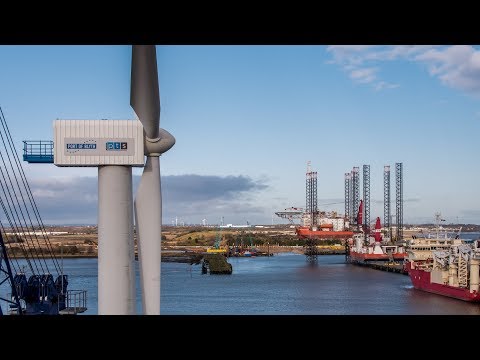
Located off the coast of Blyth in the North Sea, Blyth Wind Farm serves as a ground-breaking project, spearheading the advancement of offshore wind energy systems. Consisting of a collection of towering turbines gracefully stretching towards the horizon, this wind farm serves as an embodiment of humankind’s pursuit of sustainable and eco-friendly energy solutions.
This research article seeks to delve deep into the technical aspects, environmental impact, and economic implications of Blyth Wind Farm. By objectively analyzing the key elements that contribute to its success, as well as the challenges encountered during its development and operation, we aim to shed light on the broader potential of wind farms in addressing the pressing issues of climate change and energy generation.
Throughout this study, we will examine the cutting-edge technologies deployed at Blyth Wind Farm, evaluating their efficiency and performance. We will also explore the environmental benefits that can be derived from such renewable energy projects, in terms of reducing carbon emissions, enhancing energy security, and preserving natural resources.
Furthermore, this research endeavor will critically assess the economic viability of Blyth Wind Farm, delving into the costs involved in its establishment, maintenance, and operational phases. By analyzing the financial implications and evaluating the return on investment, we aim to present a comprehensive understanding of the feasibility of similar projects around the globe.
Undertaking this research is vital in illuminating the significance of Blyth Wind Farm and its potential to reshape the energy landscape in a sustainable direction. As governments and industries worldwide increasingly recognize the urgency of transitioning to renewable energy sources, understanding the opportunities, challenges, and lessons learned from notable projects like Blyth Wind Farm becomes paramount.
Therefore, by examining both the successes and areas for improvement, this research article strives to contribute valuable insights to academia, policymakers, and renewable energy enthusiasts alike, fostering a greater understanding of the evolving wind energy sector and propelling sustainable energy transformation forward.
Table of Contents

- Overview of Blyth Wind Farm: An Examination of Environmental Impact and Sustainability Efforts
- Enhancing Efficiency and Mitigating Noise: Key Recommendations for Future Wind Farm Developments
- Q&A
- Final Thoughts
Overview of Blyth Wind Farm: An Examination of Environmental Impact and Sustainability Efforts

Located off the coast of Blyth in Northumberland, England, the Blyth Wind Farm is a pioneering project that focuses on renewable energy generation. Built and operated by EDF Renewables, this offshore wind farm comprises of five turbines with a total capacity of 41.5 megawatts. Not only does Blyth Wind Farm contribute to the country’s clean energy targets, but it also plays a vital role in examining the environmental impact and sustainability efforts in the offshore wind industry.
One of the key aspects of the Blyth Wind Farm is its commitment to minimizing its environmental impact. Through extensive research and studies, EDF Renewables has implemented several measures to protect marine life and their habitats. The use of advanced turbine technology and careful planning of the farm layout have minimized noise levels, preventing disturbance to local wildlife.
- The Blyth Wind Farm actively supports biodiversity in the area by creating artificial reefs around the turbines, providing a suitable environment for marine organisms and fish nurseries.
- The construction and maintenance vessels used for the wind farm are equipped with state-of-the-art technologies to reduce emissions and lower the overall carbon footprint.
- Continuous monitoring and regular inspections are conducted to ensure compliance with strict environmental regulations and ensure that any potential impacts are addressed promptly.
In addition to its environmental efforts, the Blyth Wind Farm has also implemented various sustainability initiatives. This includes partnering with local communities to promote education and awareness programs about renewable energy and its benefits. The wind farm provides educational visits and workshops for schools, inspiring the next generation to embrace a sustainable future.
Enhancing Efficiency and Mitigating Noise: Key Recommendations for Future Wind Farm Developments

Blyth Wind Farm is committed to maximizing the efficiency of its operations while addressing the concerns surrounding noise pollution. As renewable energy continues to play a vital role in reducing carbon emissions, it is crucial to ensure that future wind farm developments implement best practices to improve efficiency and minimize noise. Here are some key recommendations to achieve these goals:
- Optimal Turbine Placement: Conduct thorough environmental assessments to determine the ideal locations for wind turbines. Factors such as wind patterns, topography, and proximity to residential areas should be taken into account. By strategically placing turbines, it is possible to minimize noise impact and maximize energy output.
- Advanced Noise Reduction Technologies: Invest in state-of-the-art technologies that significantly reduce noise emissions from wind turbines. Innovations like blade serrations, trailing edge serrations, and aerodynamic modifications can help decrease noise levels without compromising energy production.
- Continuous Monitoring and Maintenance: Implement a robust system for monitoring noise levels at wind farm sites. Regular inspections and maintenance of turbines ensure optimal performance and minimize noise disturbances. Utilizing advanced sensors and real-time data analysis can help identify and rectify issues promptly.
While wind farms are a crucial component of our sustainable energy future, it is essential to address noise concerns and optimize their efficiency. By incorporating these recommendations into future wind farm developments, we can strike a balance between renewable energy generation and the well-being of nearby communities.
Q&A
Q: What is Blyth Wind Farm?
A: Blyth Wind Farm is an offshore wind farm located off the coast of Blyth in Northumberland, England. It consists of five wind turbines and is a pioneering project in renewable energy.
Q: How was Blyth Wind Farm developed?
A: Blyth Wind Farm was developed by E.ON, a German energy company, in collaboration with several partners including the National Renewable Energy Centre (Narec) and TechnipFMC. The project began in 2010 with the aim to test and demonstrate the latest offshore wind turbine technologies.
Q: How much power does Blyth Wind Farm generate?
A: Blyth Wind Farm has a total installed capacity of 41.5 megawatts (MW). This is enough to power approximately 34,000 homes in the region.
Q: What type of wind turbines are used in the wind farm?
A: Blyth Wind Farm incorporates five 8.3 MW turbines manufactured by General Electric (GE). These turbines are known for their advanced design and are capable of harnessing greater amounts of energy from the wind.
Q: What is unique about Blyth Wind Farm?
A: Blyth Wind Farm is unique in several ways. It was the first offshore wind farm to use concrete gravity-base foundations, which provided stability for the turbines. The project also utilized an innovative “float and submerge” method for installation. Moreover, it served as a testing ground for newly developed offshore wind technologies, contributing to the advancement of the industry.
Q: What are the environmental benefits of Blyth Wind Farm?
A: Blyth Wind Farm offers significant environmental benefits. It helps in reducing carbon emissions by generating clean and renewable electricity. The wind farm contributes to the transition away from fossil fuel dependence and supports the UK’s efforts in combating climate change.
Q: How has Blyth Wind Farm impacted the local economy?
A: The construction of Blyth Wind Farm brought several economic benefits to the local area. It created employment opportunities during the construction phase and supported the growth of the offshore wind industry in the region. Additionally, it has boosted tourism and attracted renewable energy investments, stimulating economic development.
Q: What is the future of Blyth Wind Farm?
A: Blyth Wind Farm continues to operate successfully, showcasing the viability of offshore wind energy. As the renewable energy sector evolves, the knowledge gained from this project will help in the development of more efficient and cost-effective wind farms. It serves as an important benchmark for future offshore wind projects both in the UK and worldwide.
Final Thoughts
In conclusion, the Blyth Wind Farm stands as a pioneering project that has significantly contributed to the renewable energy landscape. Through meticulous research and development, this offshore wind farm has successfully harnessed the power of the North Sea to generate clean and sustainable electricity. The innovative use of floating turbines has not only overcome the challenges of deep waters but also opened up new possibilities for future wind energy installations. The comprehensive monitoring and data collection carried out at Blyth have yielded invaluable insights into the operational efficiency and environmental impact of offshore wind farms. As the world continues to seek alternative energy sources and combat climate change, the Blyth Wind Farm serves as a testament to the great potential of wind power in providing a sustainable, low-carbon future. With ongoing technological advancements and deeper understanding of wind energy generation, it is an exciting time for further research and development in the field, paving the way for even more innovative and impactful projects in the years to come.