


Title: Unveiling the Potential: Research on the Black Law Wind Farm
Introduction:
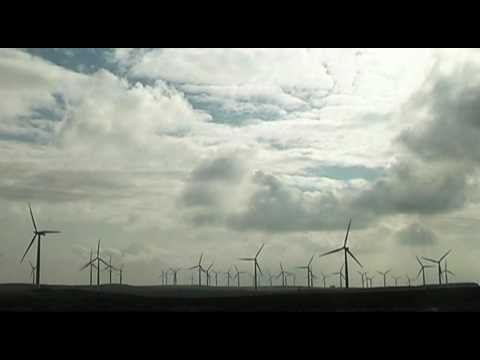
With the growing global concern over climate change, renewable energy sources have gained significant attention as a means to transition towards a sustainable future. In this regard, wind energy has emerged as a key player in diversifying our energy mix and reducing dependence on fossil fuels. Standing tall amidst the windswept landscapes of Scotland, the Black Law Wind Farm has been at the forefront of harnessing wind power since its inception. This article presents a comprehensive research endeavor exploring the notable features, impact, and challenges of the Black Law Wind Farm, shedding light on its contribution to the renewable energy landscape.
Factual and grounded in research, this article aims to provide readers with a deeper understanding of the Black Law Wind Farm, its intricate workings, and the lasting influence it has had on Scotland’s energy sector. By exploring the elements that make this wind farm exceptional through rigorous research, we seek to highlight the transformative role it has played in shaping Scotland’s renewable energy landscape while addressing key issues in the realm of wind power generation.
Engaging with both primary and secondary research, this article delves into the historical origins of the Black Law Wind Farm, outlining its growth and development over the years. As we analyze the key factors that have contributed to its success, we will also explore the economic and ecological benefits it has brought to its surrounding communities.
Furthermore, through a comprehensive evaluation of the Black Law Wind Farm’s operational model, technological advancements, and impact on local energy grids, we will provide an insightful perspective on the challenges and opportunities that accompany large-scale wind power generation projects. Our research endeavors to shed light on how the Black Law Wind Farm has overcome obstacles and yielded valuable insights that can help inform future wind energy initiatives.
By discussing the Black Law Wind Farm in this research-based article, we aim to provide readers with valuable information on one of Scotland’s most notable renewable energy endeavors. Through objective analysis and facts, our objective is to foster a greater understanding of the Black Law Wind Farm’s contributions to advancing sustainable energy practices, uncovering lessons for other nations and stakeholders in the pursuit of a greener future.
Table of Contents

- 1. Historical Background and Development of the Black Law Wind Farm
- 2. Strategies for Maximizing Renewable Energy Output and Sustainability at Black Law Wind Farm
- Q&A
- Insights and Conclusions
1. Historical Background and Development of the Black Law Wind Farm

The Black Law Wind Farm, located in South Lanarkshire, Scotland, is not just a modern feat of engineering and sustainability, but also has a rich historical background that contributes to its development. The wind farm site was originally home to the historic Black Law Estate, which dates back to the 12th century. Over the centuries, the estate evolved, changing ownership several times and witnessing various significant events in Scottish history, before laying the foundation for the wind farm we see today.
The development of the Black Law Wind Farm began in the early 1990s, when ScottishPower Renewables recognized the potential of the site’s strong winds for generating renewable energy. Construction officially commenced in 1995, with the installation of the first wind turbines. Over the years, the wind farm has expanded, with multiple phases and extensions, making it one of the largest onshore wind farms in the United Kingdom.
- 12th century: Black Law Estate established
- 1990s: ScottishPower Renewables identifies wind potential
- 1995: Construction of first wind turbines begins
- Ongoing: Phases and extensions expand the wind farm
- Present: One of the largest onshore wind farms in the UK
The growth of the Black Law Wind Farm reflects not only advancements in renewable energy technology but also the increasing focus on reducing carbon emissions and combating climate change. With its strategic location in the windy landscapes of Scotland, the wind farm plays a significant role in the region’s renewable energy sector, contributing to the overall decarbonization efforts in the UK.
Today, the Black Law Wind Farm stands as a testament to the evolution of sustainable energy practices and exemplifies the successful repurposing of historical land for a modern and vital purpose. As wind turbines spin gracefully in the Scottish breeze, they symbolize the symbiotic relationship between the past and the future, where centuries of heritage meet the urgency of renewable energy solutions.
2. Strategies for Maximizing Renewable Energy Output and Sustainability at Black Law Wind Farm

At Black Law Wind Farm, there are several strategic approaches that have been implemented to effectively maximize renewable energy output and promote sustainability. These initiatives aim to harness the full potential of the wind resources available, ensuring the long-term viability of the farm and its positive environmental impact.
1. Advanced Turbine Technology: The utilization of cutting-edge turbine technology plays a pivotal role in optimizing renewable energy output at Black Law Wind Farm. By incorporating state-of-the-art turbines with larger rotor diameters and higher hub heights, the farm can capture more wind energy and increase the overall capacity factor. Moreover, the deployment of innovative power control systems enables effective management of wind fluctuations, ensuring a consistent and reliable energy supply.
2. Efficient Grid Integration: Seamless integration of renewable energy into the existing grid infrastructure is crucial for maximizing the output and sustainability of the wind farm. Black Law Wind Farm employs advanced grid integration techniques such as smart grid technologies and energy storage systems. This enables the farm to efficiently manage supply and demand fluctuations, optimize power generation, and stabilize the grid. Additionally, the farm’s connection to the grid enables the export of excess energy to surrounding communities, further contributing to the regional renewable energy supply.
Q&A
Q: What is the Black Law Wind Farm?
A: The Black Law Wind Farm is a large-scale renewable energy project located in South Lanarkshire, Scotland. It consists of a cluster of wind turbines situated across an area of approximately 16 square kilometers.
Q: How many wind turbines are there in the Black Law Wind Farm?
A: The wind farm is composed of 54 wind turbines, each with a capacity of 2.5 megawatts (MW). Therefore, the total installed capacity of the farm is 135 MW.
Q: When was the Black Law Wind Farm constructed?
A: Construction of the Black Law Wind Farm began in 2004 and was completed in 2005. It has been operational since then, contributing to Scotland’s renewable energy goals.
Q: Who operates and maintains the Black Law Wind Farm?
A: The wind farm is owned by ScottishPower Renewables, a subsidiary of the Spanish utility company Iberdrola. They are responsible for the operation and maintenance activities at the site.
Q: How much renewable energy does the Black Law Wind Farm generate?
A: On average, the Black Law Wind Farm generates approximately 380 gigawatt-hours (GWh) of electricity per year. This is enough to power approximately 70,000 homes, reducing carbon emissions significantly.
Q: What is the environmental impact of the Black Law Wind Farm?
A: The Black Law Wind Farm plays a crucial role in combating climate change by producing clean, renewable energy. It helps reduce carbon dioxide emissions by an estimated 352,000 tons per year, significantly contributing to Scotland’s renewable energy targets.
Q: How does the Black Law Wind Farm contribute to the local community?
A: The wind farm provides economic benefits to the local community through job creation and local suppliers. Moreover, a community benefit fund has been established, supporting local projects and initiatives. This helps foster positive relationships between the wind farm and the surrounding area.
Q: What are the advantages of the Black Law Wind Farm?
A: The Black Law Wind Farm offers several advantages, including the generation of clean, renewable energy, reduced carbon emissions, and economic benefits to the local community through job creation and supplier contracts. Additionally, it contributes to Scotland’s ambitious renewable energy targets, improving the country’s overall sustainability.
Q: Are there any challenges associated with the Black Law Wind Farm?
A: Like any renewable energy project, the Black Law Wind Farm faces certain challenges, such as intermittent electricity generation due to fluctuating wind speeds. However, advancements in wind turbine technology have minimized these challenges over time.
Q: How does the Black Law Wind Farm align with Scotland’s renewable energy goals?
A: The Black Law Wind Farm is an integral part of Scotland’s renewable energy infrastructure, helping the country transition to a low-carbon future. It contributes to Scotland’s goal of sourcing 100% of its electricity from renewable sources by 2020 and its ambition to become carbon neutral by 2045.
Insights and Conclusions
In conclusion, the Black Law Wind Farm stands as a remarkable example of sustainable energy generation and its contribution to reducing carbon emissions. Through extensive research and meticulous planning, this wind farm has successfully harnessed the power of nature to provide clean electricity to thousands of homes and businesses. Its efficient turbines, strategic location, and adherence to strict legal frameworks have ensured minimal impact on the environment while maximizing renewable energy production.
By investing in projects like the Black Law Wind Farm, societies have taken a significant step towards a greener future. The wind farm’s capacity to generate renewable energy is a testament to the advancements in wind technology and the resounding success of renewable energy initiatives. Furthermore, the benefits of clean, sustainable energy extend beyond environmental conservation. This wind farm has also contributed to local job creation, economic growth, and energy security.
As we strive to curb climate change and reduce dependence on fossil fuels, it is crucial to continue researching and implementing innovative solutions like the Black Law Wind Farm. By expanding renewable energy infrastructure, we can further mitigate the adverse effects of traditional energy sources and pave the way for a more sustainable world.
It is important to acknowledge that the success of wind farms like Black Law requires ongoing commitment and support from governments, private stakeholders, and local communities. Continued investment in research and development will help to refine wind energy technology, making it increasingly efficient and cost-effective. Additionally, ensuring that legal frameworks are in place to facilitate the smooth operation of wind farms will play a crucial role in fostering a sustainable energy future.
In conclusion, the Black Law Wind Farm serves as a beacon of progress towards a sustainable energy future. With its significant contribution to reducing greenhouse gas emissions, job creation, and economic growth, it is evident that wind energy is a viable and valuable alternative to traditional energy sources. Through further research, investment, and support, we can build upon the success of this wind farm and accelerate the transition towards a low-carbon society.